
The secret to smart home technology isn’t making your house feel like a sci-fi movie—it’s focusing strictly on your return on investment.
A handful of smart devices will pay for themselves within a year or two through lower utility bills and prevented disasters. Others, however, are expensive novelties that will never recoup their cost.
Here are five smart home upgrades that deliver genuine financial savings, along with three overengineered gadgets you should skip.
Smart devices that actually save money
Smart thermostats
Heating and cooling account for over half of the average home’s energy consumption. Traditional programmable thermostats fail because nobody wants to manually reprogram a clunky digital interface every time their schedule changes.
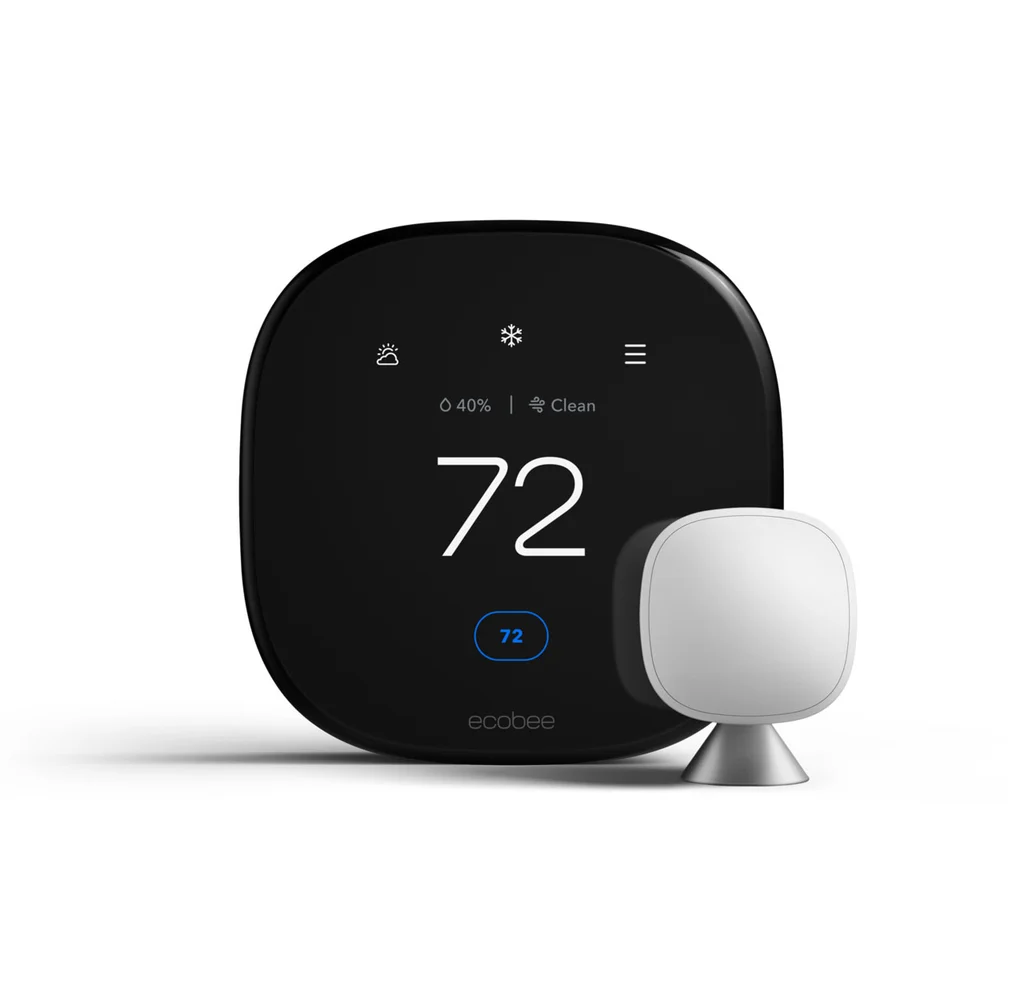
Smart thermostats like Nest and Ecobee use geofencing and motion sensors to know when you’ve left the house, automatically easing back the HVAC. Most households save around 10% on heating and 15% on cooling.
As a bonus, many electric utility companies offer rebates just for installing one.
Smart water leak sensors
An unnoticed slow drip behind a washing machine or under a water heater can ruin floorboards, rot drywall, and breed mold long before you spot water pooling in the hallway. The average residential water damage claim costs more than $10,000.
A three-pack of basic Wi-Fi leak sensors costs less than $50. Tucking them under sinks, behind toilets, and next to your water heater ensures you get an instant push notification on your phone the second a drop of water hits the sensor contacts.
Plus, some home insurance carriers offer discounts on your annual policy premium if you install connected leak detection hardware.
Smart plugs with energy monitoring
Even when turned off, big-screen TVs, game consoles, audio receivers, and desktop computers continuously pull “phantom power”—or “vampire draw”—from wall outlets 24 hours a day.
Smart plugs featuring live energy monitoring show you exactly how many kilowatt-hours an outlet is consuming in real time. You can set auto-cut routines that completely sever wall power to media centers or home office desks overnight, saving you some cash in idle electricity costs.
Smart sprinkler controllers
Traditional irrigation timers are notoriously dumb. They fire off lawn sprinklers at 5:00 a.m. regardless of whether it rained an inch at midnight or a downpour is forecast for two hours later.
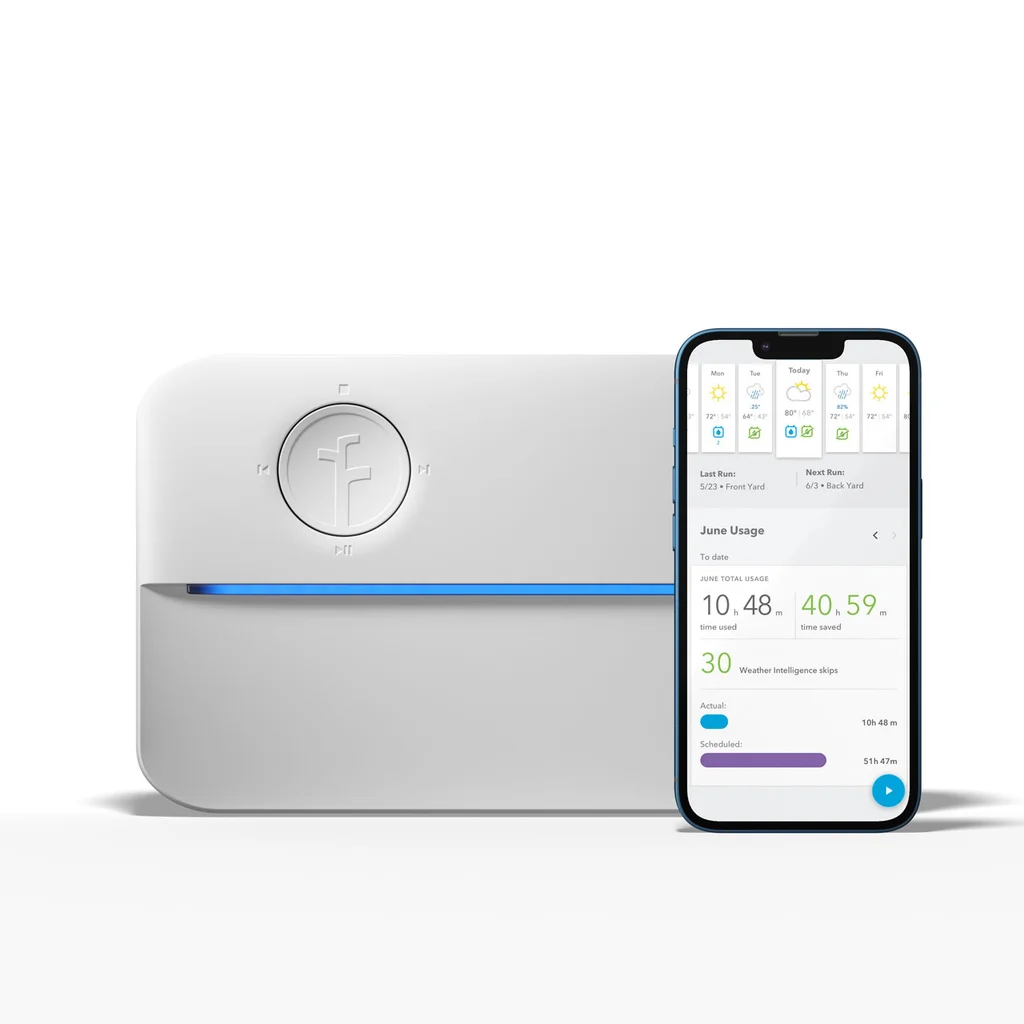
Connected irrigation controllers such as Rachio sync directly with hyperlocal weather data to skip watering cycles automatically when rain, wind, or freezing temperatures occur. Homeowners with large lawns routinely cut their outdoor water usage by up to half during spring and summer months.
Smart light switches (not bulbs)
Replacing every light bulb in your house with a $15 smart bulb gets expensive fast, and if someone flips the physical wall switch off, the bulb dies anyway. Smart in-wall switches replace the wall controls directly.
Installing smart switches or motion-sensing switches in high-traffic zones (hallways, basements, kids’ bedrooms) ensures lights turn off automatically after periods of inactivity. Pairing them with LED fixtures keeps lighting costs down to pennies per month.
3 smart devices that are a financial waste
Smart refrigerators with touchscreens
Paying an extra $1,000 to $2,000 for a giant tablet built into your refrigerator door is one of the worst tech investments you can make.
The internal computer and display will stop receiving software updates in 5 years, while the rest of the fridge is supposed to last 15. Furthermore, the internal cameras meant to “show you what’s inside while at the grocery store” are routinely obscured by milk cartons and leftovers. You’re paying a huge premium for a screen that will inevitably lag long before the compressor breaks down.
Motorized smart blinds
Motorized window shades that open and close automatically via app control sound luxurious, but the math behind them doesn’t add up.
Outfitting a typical home with custom motorized blinds costs between $2,000 and $5,000. While keeping shades drawn during hot summer afternoons does reduce solar heat gain slightly, the energy savings amounts to maybe $20 or $30 a year. It would take more than a century of energy savings to recoup the initial hardware investment.
Connected appliance dongles and ‘smart’ small gadgets
From Wi-Fi-enabled trash cans that order garbage bags to smart soap dispensers and connected toaster ovens, the consumer market is flooded with microappliances that add app connectivity just to raise retail prices.
These devices solve nonexistent problems while introducing security risks and unnecessary app clutter. They offer zero energy efficiency gains and carry higher repair failure rates than their simple, mechanical counterparts.