Close Menu
    Facebook X (Twitter) Instagram
    TRENDING :
    • Alphabet’s Q1 profit beats expectations, with Google’s big AI bets paying off
    • This common travel habit is now banned on American Airlines flights
    • Market Talk – April 29, 2026
    • Uber just expanded into hotels, AI, and ‘room service’ and it’s moving fast
    • Social media’s big tobacco moment is just a first step
    • Ghirardelli Chocolate products recalled over Salmonella fears. Avoid this list of 13 beverage mixes
    • Google, TikTok and Meta could be taxed by Australia to fund its newsrooms
    • MacKenzie Scott says we underestimate the impact of small acts of kindness. Science agrees
    Compatriot Chronicle
    • Home
    • US Politics
    • World Politics
    • Economy
    • Business
    • Headline News
    Compatriot Chronicle
    Home»Business»What would a Democratic administration do with the government’s 10% share in Intel?
    Business

    What would a Democratic administration do with the government’s 10% share in Intel?

    September 27, 20254 Mins Read
    Share Facebook Twitter Pinterest LinkedIn Tumblr Telegram Email Copy Link
    Follow Us
    Google News Flipboard
    Share
    Facebook Twitter LinkedIn Pinterest Email

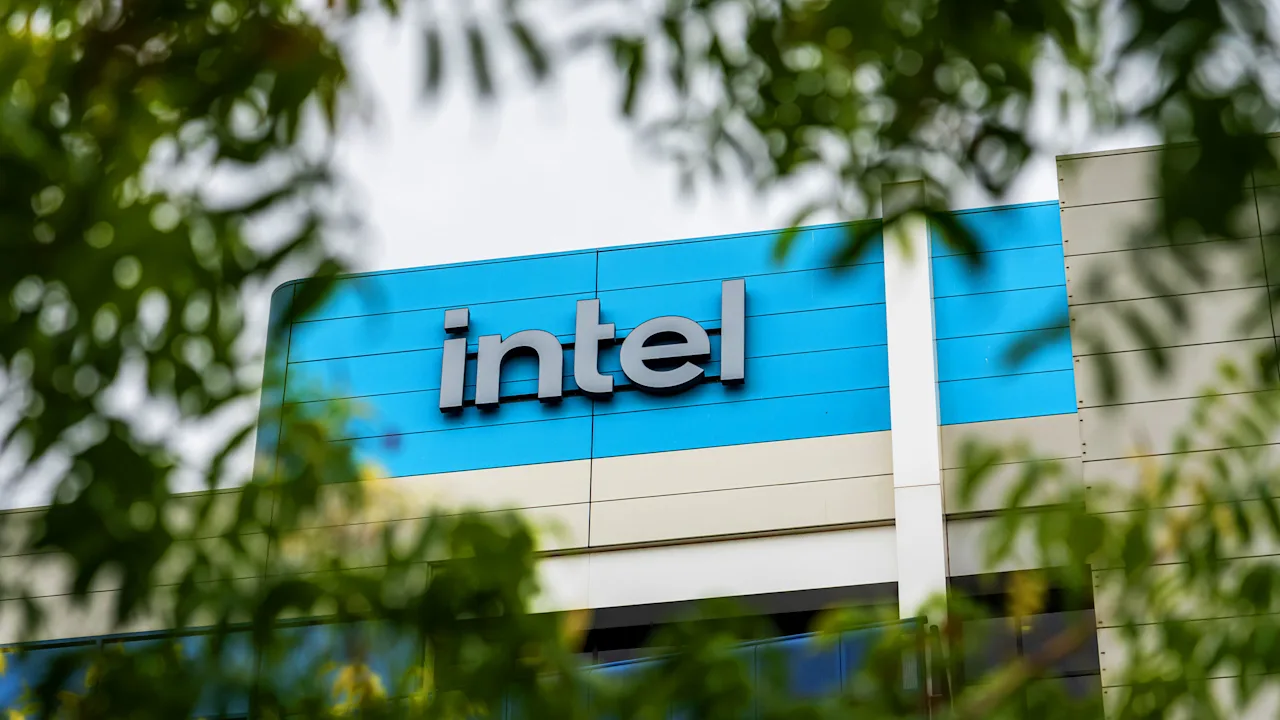
    Donald Trump surprised many in August when he made the government the owner of 9.9% of the troubled U.S. chip maker Intel. The administration paid for the Intel equity using $8.9 billion of the Biden administration’s CHIPs and Science Act grant money that had already been earmarked for Intel. The new grant money comes on top of the $2.2 billion in CHIPS Act grants Intel already received, bringing the government’s total investment to $11.1 billion.

    Intel’s finance chief David Zinsner said the government’s investment is meant to incentivize Intel to keep majority control over its contract chip-fabrication business. As part of the deal, the government gets a five-year warrant to buy 5% more Intel shares if the company’s ownership of its chip foundry operation falls below 51%. 

    What would a newly elected Democratic administration do with the government’s stake? Chances are good that it would keep it. Here’s why.

    Interestingly, it was a pair of high-profile progressives—Bernie Sanders and Elizabeth Warren—who originally suggested the government take an ownership stake in chip companies that took CHIPS Act grants. They proposed an amendment to the CHIPs Act that would have required grant recipients to “issue warrants or equity stakes to the Federal Government,” as Sanders put it in floor remarks in July of 2022. The amendment, which never made it into the bill, would also have prevented CHIPS Act recipients from using the funds to buy back stock, offshore U.S. jobs, or to discourage unionization. Its opponents, like the U.S. Chamber of Commerce, warned that the amendment would “turn innovative manufacturers into state-owned enterprises” and harm U.S. competitiveness. 

    Sanders, an independent who caucuses with the Democrats, came out in favor of the Trump administration’s ownership share in Intel, saying that the U.S. taxpayers ought to get a “reasonable return” when tax dollars are sent to the aid of a private company. But the Trump administration’s approval of the disbursement of CHIPs and Science Act grants was not conditioned on anything else that would guarantee that Intel put the money toward achieving goals that are in the country’s interest. 

    U.S. lawmakers, especially small-government conservatives, have, historically, been hesitant to back private companies, out of fear of appearing as if the government is “picking winners” in the marketplace. But Intel, which represents America’s best chance to anchor advanced AI chip making on U.S. soil as the competition with China to lead AI heats up, was seen as a special case. 

    When it comes to manufacturing the chips, Intel has fallen far behind Taiwan-based TSMC. TSMC, which makes almost all of the GPUs used for AI now, is based in Taiwan, just 80 miles from mainland China. For years, U.S. military analysts have feared the day when China invades the island.

    Letting the free market be free? Or not?

    Still, the government’s investment has been met with criticism. The Cato Institute’s Scott Lincicome writes in a Washington Post op-ed that the deal represents “a dangerous turn in American industrial policy,” adding that it abandons decades of market-oriented principles and risks politicizing Intel’s decision-making. “With the U.S. government as its largest shareholder, Intel will face constant pressure to align corporate decisions with the goals of whatever political party is in power,” he cautions. 

    The next political party in power could be the Democratic Party, if it can articulate a populist platform that doesn’t sound like establishment politics. Using that logic, the next Democratic administration could be led by someone from the progressive wing of the party. Actually, a left-leaning Democratic administration might decide to leave the government’s Intel stake in place, but for very different reasons than the ones motivating Trump. The left has been somewhat more comfortable with interventionist market policies in the past (see: anti-trust interventions, single payer healthcare).

    A new Democratic administration in 2028 might not sell off the government’s stake in Intel. But it might  add some conditions to any new government investment in the company. It might also take a hard look at Intel’s progress toward fabricating TSMC-level chips in America, and adjust the terms of the investment accordingly.


    Source link

    Share. Facebook Twitter Pinterest LinkedIn Tumblr Email

    Related Posts

    Alphabet’s Q1 profit beats expectations, with Google’s big AI bets paying off

    April 29, 2026

    This common travel habit is now banned on American Airlines flights

    April 29, 2026

    Uber just expanded into hotels, AI, and ‘room service’ and it’s moving fast

    April 29, 2026
    Top News

    Starting Business Credit: A Step-by-Step Guide

    By Staff WriterApril 26, 2026

    Starting business credit is crucial for your company’s growth and financial stability. It requires a…

    Neuroscientists are suing Apple over its Apple Intelligence AI. Here’s why

    October 13, 2025

    How companies and nonprofits are tackling the U.S. healthcare crisis—until there’s a federal policy solution

    March 21, 2026

    Roku’s big break: Tracee Ellis Ross on why ‘Solo Traveling’ became a hit—and what that reveals about humanity

    September 21, 2025
    Top Trending

    Alphabet’s Q1 profit beats expectations, with Google’s big AI bets paying off

    By Staff WriterApril 29, 2026

    Google’s transition into the era of artificial intelligence continued to pay off for its…

    This common travel habit is now banned on American Airlines flights

    By Staff WriterApril 29, 2026

    Passengers flying with low battery on their phones might be out of…

    Market Talk – April 29, 2026

    By Staff WriterApril 29, 2026

    ASIA: The major Asian stock markets had a mixed day today: •…

    Categories
    • Business
    • Economy
    • Headline News
    • Top News
    • US Politics
    • World Politics
    About us

    The Populist Bulletin serves as a beacon for the populist movement, which champions the interests of ordinary citizens over the agendas of the powerful and entrenched elitists. Rooted in the belief that the voices of everyday workers, families, and communities are often drowned out by powerful people and institutions, it delivers straightforward, unfiltered, compelling, relatable stories that resonate with the values of the American public.

    The Populist Bulletin was founded with a fervent commitment to inform, inspire, empower and spark meaningful conversations about the economy, business, politics, inequality, government accountability and overreach, globalization, and the preservation of American cultural heritage.

    The site offers a dynamic mix of investigative journalism, opinion editorials, and viral content that amplify populist sentiments and deliver stories that echo the concerns of everyday Americans while boldly challenging mainstream narratives that serve the privileged few.

    Top Picks

    Alphabet’s Q1 profit beats expectations, with Google’s big AI bets paying off

    April 29, 2026

    This common travel habit is now banned on American Airlines flights

    April 29, 2026

    Market Talk – April 29, 2026

    April 29, 2026
    Categories
    • Business
    • Economy
    • Headline News
    • Top News
    • US Politics
    • World Politics
    Copyright © 2025 Populist Bulletin. All Rights Reserved.

    Type above and press Enter to search. Press Esc to cancel.