Close Menu
    Facebook X (Twitter) Instagram
    TRENDING :
    • Europe’s Wealthiest Households Are Drowning In Debt
    • Why My Times Square Billboard Didn’t Drive Sales
    • Can India Become The Next Factory Of The World?
    • Silence in a Meeting Isn’t Alignment. It’s Fear. Here’s How to Build a Team That Tells You the Truth
    • For Two Years, I Was Using AI Wrong. Fixing It Is Why My Clients Are Winning While Other Brands Fall Behind.
    • Your Cold Outreach Keeps Getting Deleted for These 5 Reasons
    • What Separates Entrepreneurs Who Endure From Those Who Quit
    • Your Team Doesn’t Need Certainty. It Needs Direction.
    Compatriot Chronicle
    • Home
    • US Politics
    • World Politics
    • Economy
    • Business
    • Headline News
    Compatriot Chronicle
    Home»Business»Meta wins antitrust case involving WhatsApp and Instagram
    Business

    Meta wins antitrust case involving WhatsApp and Instagram

    November 18, 20254 Mins Read
    Share Facebook Twitter Pinterest LinkedIn Tumblr Telegram Email Copy Link
    Follow Us
    Google News Flipboard
    Share
    Facebook Twitter LinkedIn Pinterest Email

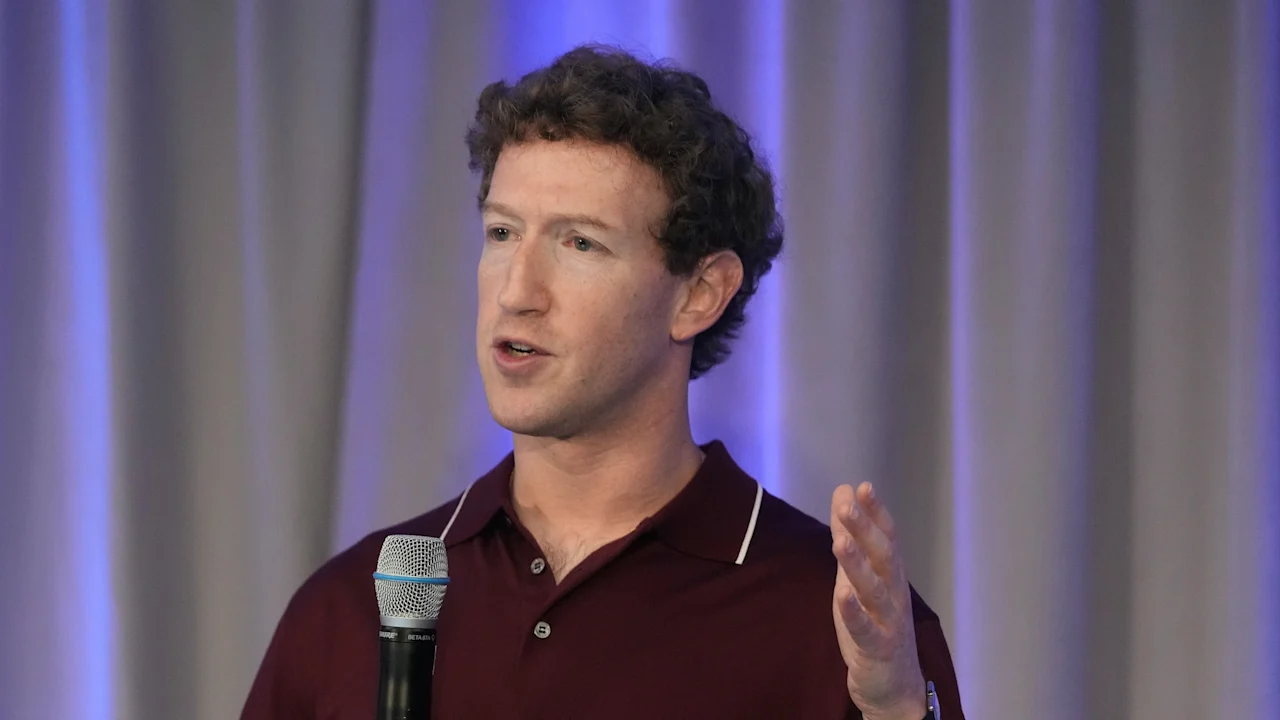
    Meta has prevailed over an existential challenge to its business that could have forced the tech giant to spin off Instagram and WhatsApp after a judge ruled that the company does not hold a monopoly in social networking.

    U.S. District Judge James Boasberg issued his ruling Tuesday after the historic antitrust trial wrapped up in late May. His decision follows two separate rulings that branded Google an illegal monopoly in both search and online advertising, dealing yet another regulatory blow to the tech industry that for years enjoyed nearly unbridled growth.

    The Federal Trade Commission “continues to insist that Meta competes with the same old rivals it has for the last decade, that the company holds a monopoly among that small set, and that it maintained that monopoly through anticompetitive acquisitions,” Boasberg wrote in his ruling. “Whether or not Meta enjoyed monopoly power in the past, though, the agency must show that it continues to hold such power now. The Court’s verdict today determines that the FTC has not done so.”

    Meta, the FTC had argued, has maintained a monopoly by pursuing CEO Mark Zuckerberg’s strategy, “expressed in 2008: ‘It is better to buy than compete.’ True to that maxim, Facebook has systematically tracked potential rivals and acquired companies that it viewed as serious competitive threats.”

    During his April testimony, Zuckerberg pushed back against the FTC’s contention that Facebook bought Instagram to neutralize a threat. In his line of questioning, FTC attorney Daniel Matheson repeatedly brought up emails—many of them more than a decade old—written by Zuckerberg and his associates before and after the acquisition of Instagram.

    While acknowledging the documents, Zuckerberg has often sought to downplay the contents, saying he wrote them in the early stages of considering the acquisition and that what he wrote at the time didn’t capture the full scope of his interest in the company.

    The FTC’s complaint said Facebook also enacted policies designed to make it difficult for smaller rivals to enter the market and “neutralize perceived competitive threats,” just as the world shifted its attention to mobile devices from desktop computers.

    The social media landscape has changed so much since the FTC filed its lawsuit in 2020, Boasberg wrote, that each time the court examined Meta’s apps and competition, they changed. Two opinions to dismiss the case—filed in 2021 and 2022—didn’t even mention popular social video platform TikTok. Today, it “holds center stage as Meta’s fiercest rival.”

    Quoting the Greek philosopher Heraclitus, “that no man can ever step into the same river twice,” Boasberg said the same is true for the online world of social media as well.

    “The landscape that existed only five years ago, when the Federal Trade Commission brought this antitrust suit, has changed markedly. While it once might have made sense to partition apps into separate markets of social networking and social media, that wall has since broken down,” he wrote.

    Facebook bought Instagram—then a scrappy photo-sharing app with no ads and a small cult following—in 2012. The $1 billion cash and stock purchase price was eye-popping at the time, though the deal’s value fell to $750 million after Facebook’s stock price dipped following its initial public offering in May 2012.

    Instagram was the first company Facebook bought and kept running as a separate app. Up until then, Facebook was known for smaller “acqui-hires”—a type of popular Silicon Valley deal in which a company purchases a startup as a way to hire its talented workers, then shuts the acquired company down. Two years later, it did it again with the messaging app WhatsApp, which it purchased for $22 billion.

    WhatsApp and Instagram helped Facebook move its business from desktop computers to mobile devices, and to remain popular with younger generations as rivals like Snapchat (which it also tried, but failed, to buy) and TikTok emerged. However, the FTC has a narrow definition of Meta’s competitive market, excluding companies like TikTok, YouTube, and Apple’s messaging service from being considered rivals to Instagram and WhatsApp.

    Meta did not immediately respond to a message for comment.

    —By Barbara Ortutay, AP technology writer


    Source link

    Share. Facebook Twitter Pinterest LinkedIn Tumblr Email

    Related Posts

    Why My Times Square Billboard Didn’t Drive Sales

    July 30, 2026

    Silence in a Meeting Isn’t Alignment. It’s Fear. Here’s How to Build a Team That Tells You the Truth

    July 30, 2026

    For Two Years, I Was Using AI Wrong. Fixing It Is Why My Clients Are Winning While Other Brands Fall Behind.

    July 30, 2026
    Top News

    7-Eleven in California Sells for Record $12M Weeks After Opening

    By Staff WriterMay 14, 2026

    Madera, California, isn’t exactly a tourist trap. The small Central Valley city, with a population…

    10 Current Shopping Trends You Can’t Ignore

    June 27, 2026

    The new cola wars are upon us—but this time it’s the battle of AI

    February 7, 2026

    U.S. drug prices to rise for 350 medications in 2026

    December 31, 2025
    Top Trending

    Europe’s Wealthiest Households Are Drowning In Debt

    By Staff WriterJuly 30, 2026

    Europe has spent decades portraying the southern nations as irresponsible debtors while…

    Why My Times Square Billboard Didn’t Drive Sales

    By Staff WriterJuly 30, 2026

    Opinions expressed by Entrepreneur contributors are their own. Key Takeaways Putting my…

    Can India Become The Next Factory Of The World?

    By Staff WriterJuly 30, 2026

    For more than a decade, Prime Minister Narendra Modi has been pursuing…

    Categories
    • Business
    • Economy
    • Headline News
    • Top News
    • US Politics
    • World Politics
    About us

    The Populist Bulletin serves as a beacon for the populist movement, which champions the interests of ordinary citizens over the agendas of the powerful and entrenched elitists. Rooted in the belief that the voices of everyday workers, families, and communities are often drowned out by powerful people and institutions, it delivers straightforward, unfiltered, compelling, relatable stories that resonate with the values of the American public.

    The Populist Bulletin was founded with a fervent commitment to inform, inspire, empower and spark meaningful conversations about the economy, business, politics, inequality, government accountability and overreach, globalization, and the preservation of American cultural heritage.

    The site offers a dynamic mix of investigative journalism, opinion editorials, and viral content that amplify populist sentiments and deliver stories that echo the concerns of everyday Americans while boldly challenging mainstream narratives that serve the privileged few.

    Top Picks

    Europe’s Wealthiest Households Are Drowning In Debt

    July 30, 2026

    Why My Times Square Billboard Didn’t Drive Sales

    July 30, 2026

    Can India Become The Next Factory Of The World?

    July 30, 2026
    Categories
    • Business
    • Economy
    • Headline News
    • Top News
    • US Politics
    • World Politics
    Copyright © 2025 Populist Bulletin. All Rights Reserved.

    Type above and press Enter to search. Press Esc to cancel.