Close Menu
    Facebook X (Twitter) Instagram
    TRENDING :
    • How to Make Money on Social Media Without a Huge Following
    • 28-Year-Old’s Side Hustle Hit $125K in Year 1: More Than Matcha
    • How to Speak Honestly at Work Without Derailing Your Career
    • Silicon Valley Doesn’t Have a Monopoly on Startup Wisdom
    • The EU Will Block Peace Between Russia & Ukraine
    • Laid-Off Marketer’s Apartment-Made Pizzas Sell Out in 30 Seconds
    • 4 Questions That Separate Real Founders From Performers
    • $14 Billion Company Is Giving 7,000 Employees a Day Off to Game
    Compatriot Chronicle
    • Home
    • US Politics
    • World Politics
    • Economy
    • Business
    • Headline News
    Compatriot Chronicle
    Home»Business»Meta allegedly buried internal research on social media harms
    Business

    Meta allegedly buried internal research on social media harms

    November 26, 20253 Mins Read
    Share Facebook Twitter Pinterest LinkedIn Tumblr Telegram Email Copy Link
    Follow Us
    Google News Flipboard
    Share
    Facebook Twitter LinkedIn Pinterest Email

    Meta allegedly stopped internal research on social media’s impact on people after finding negative results, a court filing released Friday claims. 

    The filing took place in a Northern California District Court, as a group of U.S. state attorneys general, school districts, and parents launched a suit against Meta, Google-owned YouTube, TikTok, and Snap. 

    The court documents allege that Meta misled the public on the mental health risks to children and young adults who excessively use Facebook and Instagram, even though its research showed that the social media apps had demonstrated harm. 

    “The company never publicly disclosed the results of its deactivation study,” the lawsuit says. “Instead, Meta lied to Congress about what it knew.”

    The research, code-named “Project Mercury,” took place in 2020. Meta scientists worked with survey firm Nielsen to see what impact deactivating Facebook had on people. According to internal documents, “people who stopped using Facebook for a week reported lower feelings of depression, anxiety, loneliness, and social comparison.” According to the filings, instead of pursuing more research, Meta dropped the project, claiming that participants’ feedback was biased by “the result of the existing media narrative around the company.”

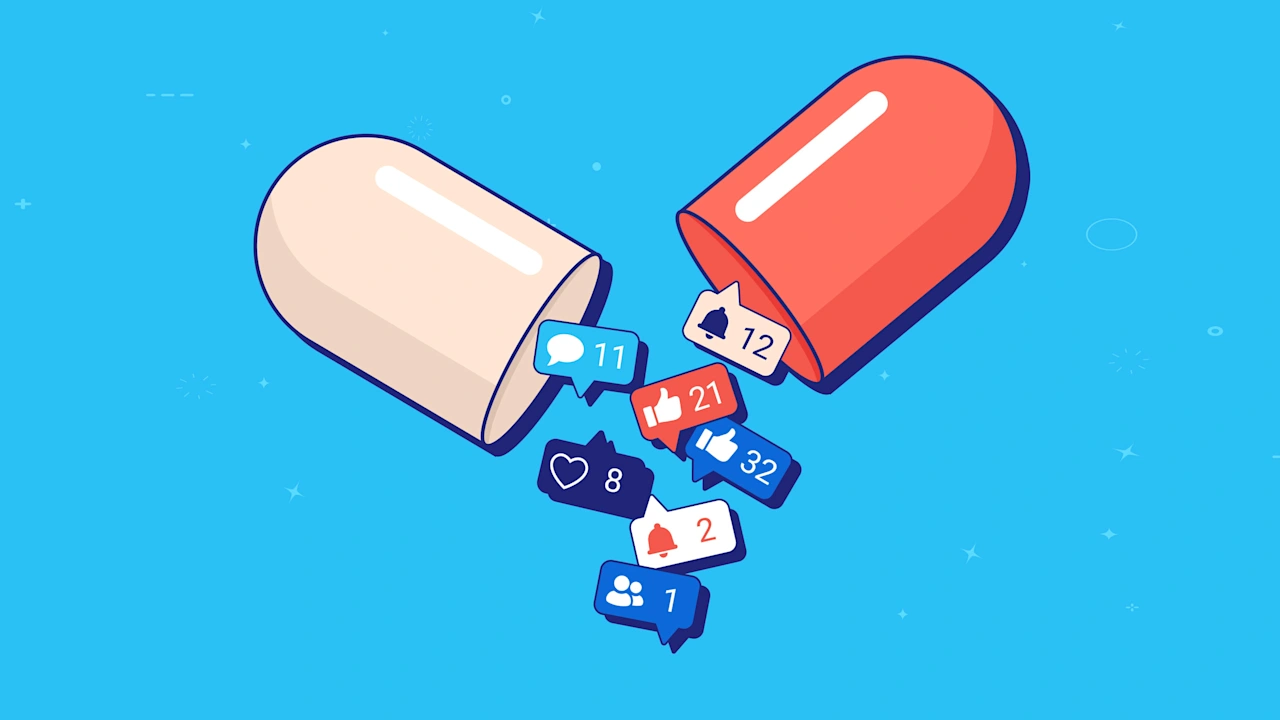
    Politico reported that in a sealed deposition earlier this year, Meta’s employees expressed concern about the research’s findings. “Oh my gosh, y’all. IG is a drug,” Shayli Jimenez, a Meta senior researcher, is quoted as saying in internal documents. In response, another employee allegedly said, “We’re basically pushers.” The Politico story reported that Jimenez said in her deposition that the comments were made “sarcastically.”

    In a statement, Meta spokesperson Andy Stone said: “We strongly disagree” with the allegations, “which rely on cherry-picked quotes and misinformed opinions in an attempt to present a deliberately misleading picture.” Stone continued: “The full record will show that for over a decade, we have listened to parents, researched issues that matter most, and made real changes to protect teens—like introducing Teen Accounts with built-in protections and providing parents with controls to manage their teens’ experiences.” 

    And in a series of posts on BlueSky, Stone also pushed back against the idea that Meta was trying to bury the results of the terminated study with Nielsen, noting that the study found that people who believed using Facebook was bad for them felt better when they stopped using it. “It makes intuitive sense, but it doesn’t show anything about the actual effect of using the platform,” Stone wrote.

    However, the latest uproar over Meta’s research is hardly the first time the company’s impact on children’s mental health has been questioned—even by its own employees. In 2021, former Facebook product manager Frances Haugen leaked hundreds of internal company documents to the government, which referenced risks to children. Haugen said the company’s leadership knows how to make Facebook and Instagram safer but refuses to “because they have put their astronomical profits before people.”
    A growing body of evidence, outside of the company’s own research, has long pointed to the harm that social media may have on children’s mental health. A 2019 study found that teens who spent more than three hours a day on social media “may be at heightened risk for mental health problems, particularly internalizing problems.” Likewise, research shows that mental health disorders among today’s youth are at an all-time high and growing. 

    In response to growing concern around children’s mental health, in a 2023 report, then-U.S. Surgeon General Vivek Murthy called on social media companies and policymakers to act, rather than to place the entire burden of limiting kids’ time on social media on parents.


    Source link

    Share. Facebook Twitter Pinterest LinkedIn Tumblr Email

    Related Posts

    How to Make Money on Social Media Without a Huge Following

    November 12, 2026

    28-Year-Old’s Side Hustle Hit $125K in Year 1: More Than Matcha

    November 12, 2026

    How to Speak Honestly at Work Without Derailing Your Career

    November 12, 2026
    Top News

    The OxyContin settlement explained: Where the Sackler family’s $7 billion will go

    By Staff WriterNovember 19, 2025

    Members of the Sackler family who own OxyContin maker Purdue Pharma must pay billions of dollars to…

    Walmart, Target, Dollar General Invest Billions in Their Businesses

    May 12, 2026

    Kagi’s new app is like Google Translate—plus privacy

    February 7, 2026

    Why Smart Brands Are Creating Their Own National Days

    November 2, 2026
    Top Trending

    How to Make Money on Social Media Without a Huge Following

    By Staff WriterNovember 12, 2026

    Key Takeaways Follower count is a vanity metric. Trust and engagement are…

    28-Year-Old’s Side Hustle Hit $125K in Year 1: More Than Matcha

    By Staff WriterNovember 12, 2026

    Key Takeaways Goldwasser leveraged her marketing and consulting experience to build More…

    How to Speak Honestly at Work Without Derailing Your Career

    By Staff WriterNovember 12, 2026

    Key Takeaways There’s such a thing as being too honest in the…

    Categories
    • Business
    • Economy
    • Headline News
    • Top News
    • US Politics
    • World Politics
    About us

    The Populist Bulletin serves as a beacon for the populist movement, which champions the interests of ordinary citizens over the agendas of the powerful and entrenched elitists. Rooted in the belief that the voices of everyday workers, families, and communities are often drowned out by powerful people and institutions, it delivers straightforward, unfiltered, compelling, relatable stories that resonate with the values of the American public.

    The Populist Bulletin was founded with a fervent commitment to inform, inspire, empower and spark meaningful conversations about the economy, business, politics, inequality, government accountability and overreach, globalization, and the preservation of American cultural heritage.

    The site offers a dynamic mix of investigative journalism, opinion editorials, and viral content that amplify populist sentiments and deliver stories that echo the concerns of everyday Americans while boldly challenging mainstream narratives that serve the privileged few.

    Top Picks

    How to Make Money on Social Media Without a Huge Following

    November 12, 2026

    28-Year-Old’s Side Hustle Hit $125K in Year 1: More Than Matcha

    November 12, 2026

    How to Speak Honestly at Work Without Derailing Your Career

    November 12, 2026
    Categories
    • Business
    • Economy
    • Headline News
    • Top News
    • US Politics
    • World Politics
    Copyright © 2025 Populist Bulletin. All Rights Reserved.

    Type above and press Enter to search. Press Esc to cancel.