Close Menu
    Facebook X (Twitter) Instagram
    TRENDING :
    • 7 Essential Tips for Designing Logos on Business Cards
    • A Step-by-Step Guide to Understanding S Corps
    • The Next Generation Conference | Armstrong Economics
    • 5 Key Reputation Management News Updates You Need Today
    • Conducting Effective Generation Z Market Research
    • 5 Proven Strategies for Ecommerce Customer Acquisition
    • Payroll Tax Obligations for Small Businesses
    • Want part of Amazon’s $2.5 billion settlement? The deadline is Monday
    Compatriot Chronicle
    • Home
    • US Politics
    • World Politics
    • Economy
    • Business
    • Headline News
    Compatriot Chronicle
    Home»Economy»Electricity Crisis On The Horizon?
    Economy

    Electricity Crisis On The Horizon?

    February 27, 20263 Mins Read
    Share Facebook Twitter Pinterest LinkedIn Tumblr Telegram Email Copy Link
    Follow Us
    Google News Flipboard
    Share
    Facebook Twitter LinkedIn Pinterest Email


    Official data already shows that US data centers consumed about 176 terawatt-hours of electricity in 2023, representing roughly 4.4% of total electricity demand, and that figure is expected to surge dramatically as AI and cloud infrastructure expand. This is not a linear trend. Between 2014 and 2023, power consumption from data centers more than tripled, and projections suggest usage could reach between 6.7% and 12% of total U.S. electricity consumption by 2028.

    So when analysts warn that data centers could soon approach 7% or more of total electricity demand, they are not exaggerating. Some forecasts from the Electric Power Research Institute even estimate that data centers could consume up to 9% of U.S. electricity generation by 2030.

    The key issue is that this surge is being driven largely by AI infrastructure and digital services, which are far more energy intensive than traditional computing. Advanced AI servers alone require substantially more power, often using two to four times the watts of conventional hardware, while massive campuses under construction can consume gigawatts of power, which is equivalent to millions of homes.

    The industrial revolution demanded coal, the 20th century demanded oil, and now the digital age demands electricity. The US Energy Information Administration has already warned that electricity demand growth is accelerating after decades of stagnation, driven significantly by the expansion of data centers. Electricity infrastructure in the United States was not designed for computational loads operating 24/7. Utilities are now being forced to expand grid capacity, invest in transmission, and upgrade generation just to accommodate data center demand, which in many regions is becoming the dominant driver of new electricity consumption.

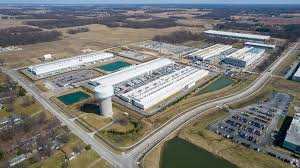
    AI.DataCenter

    This will inevitably translate into higher electricity costs. Studies already show that grid upgrades and capacity pressures linked to data centers can push up residential electricity bills and strain regional power markets. That means households will ultimately subsidize the digital infrastructure of Big Tech through rising utility costs. This is a hidden tax most people do not yet see.

    Capital is flowing into AI, cloud computing, and digital infrastructure at an unprecedented pace. But capital concentration into one sector always creates bottlenecks elsewhere. In this case, the bottleneck is energy. This trend confirms a broader shift in the global economy. We are replacing physical production with digital computation, yet computation is not energy free. In fact, it is becoming one of the most energy-intensive sectors of the modern economy.

    This is why the energy crisis of the future may not begin with oil shortages, but with electricity shortages. The digital economy is energy dependent, and as confidence shifts into AI and computational systems, the real foundation of economic power becomes the electrical grid itself. Those who control reliable energy will ultimately control the next phase of economic growth.


    Source link

    Share. Facebook Twitter Pinterest LinkedIn Tumblr Email

    Related Posts

    The Next Generation Conference | Armstrong Economics

    July 26, 2026

    The Real Conspiracy Behind COVID

    July 26, 2026

    Market Talk – July 24, 2026

    July 24, 2026
    Top News

    5 Best Software for Designing Logos

    By Staff WriterOctober 12, 2025

    In terms of designing logos, choosing the right software can greatly influence the outcome of…

    In 2026, corporate purpose will come to a fork in the road

    January 2, 2026

    Students receive $10,000 prizes from OpenAI for innovative use of artificial intelligence 

    May 10, 2026

    Minnesota economic blackout: List of stores closed today, schedule of events, where to donate as anti-ICE protest kicks off

    January 23, 2026
    Top Trending

    7 Essential Tips for Designing Logos on Business Cards

    By Staff WriterJuly 26, 2026

    When you’re designing a logo for your business card, start by ensuring…

    A Step-by-Step Guide to Understanding S Corps

    By Staff WriterJuly 26, 2026

    If you’re considering forming an S corporation, it’s essential to understand its…

    The Next Generation Conference | Armstrong Economics

    By Staff WriterJuly 26, 2026

    I want to extend a heartfelt thank you to everyone who made…

    Categories
    • Business
    • Economy
    • Headline News
    • Top News
    • US Politics
    • World Politics
    About us

    The Populist Bulletin serves as a beacon for the populist movement, which champions the interests of ordinary citizens over the agendas of the powerful and entrenched elitists. Rooted in the belief that the voices of everyday workers, families, and communities are often drowned out by powerful people and institutions, it delivers straightforward, unfiltered, compelling, relatable stories that resonate with the values of the American public.

    The Populist Bulletin was founded with a fervent commitment to inform, inspire, empower and spark meaningful conversations about the economy, business, politics, inequality, government accountability and overreach, globalization, and the preservation of American cultural heritage.

    The site offers a dynamic mix of investigative journalism, opinion editorials, and viral content that amplify populist sentiments and deliver stories that echo the concerns of everyday Americans while boldly challenging mainstream narratives that serve the privileged few.

    Top Picks

    7 Essential Tips for Designing Logos on Business Cards

    July 26, 2026

    A Step-by-Step Guide to Understanding S Corps

    July 26, 2026

    The Next Generation Conference | Armstrong Economics

    July 26, 2026
    Categories
    • Business
    • Economy
    • Headline News
    • Top News
    • US Politics
    • World Politics
    Copyright © 2025 Populist Bulletin. All Rights Reserved.

    Type above and press Enter to search. Press Esc to cancel.