Close Menu
    Facebook X (Twitter) Instagram
    TRENDING :
    • What Separates Entrepreneurs Who Endure From Those Who Quit
    • Your Team Doesn’t Need Certainty. It Needs Direction.
    • This Restaurant Chain Went Back to the Basics to Boost Sales
    • Market Talk – July 29, 2026
    • How to Land Your First Agency Client (and How Not to)
    • Visa Is Cutting 2,600 Jobs — AI Is Only Part of the Reason
    • Church’s Chicken Lands ‘Significant’ Investment for Its Next Phase
    • This Startup Wants to Bring Concierge Healthcare to the Masses
    Compatriot Chronicle
    • Home
    • US Politics
    • World Politics
    • Economy
    • Business
    • Headline News
    Compatriot Chronicle
    Home»Economy»Turning Off The Lights In New York
    Economy

    Turning Off The Lights In New York

    March 17, 20264 Mins Read
    Share Facebook Twitter Pinterest LinkedIn Tumblr Telegram Email Copy Link
    Follow Us
    Google News Flipboard
    Share
    Facebook Twitter LinkedIn Pinterest Email


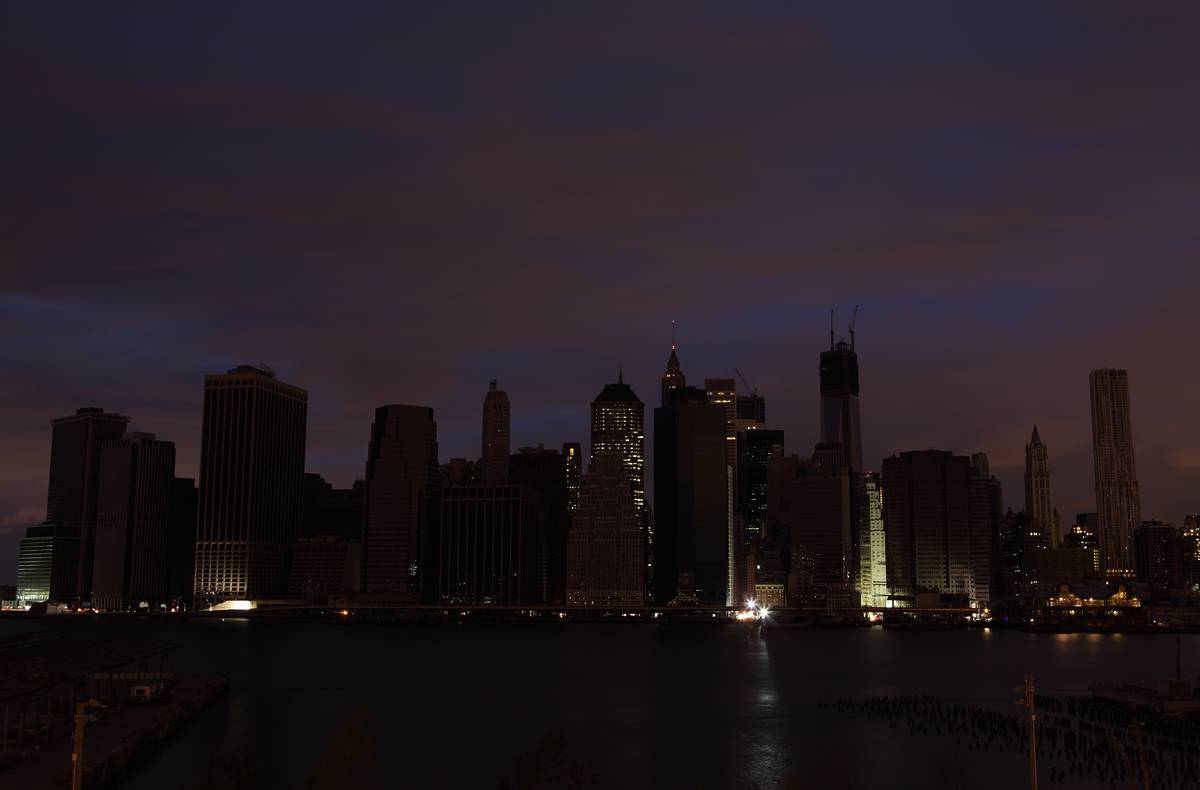
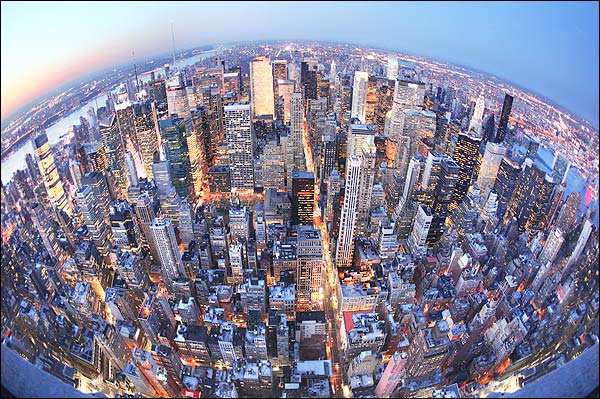
    New York has always been known as the city that never sleeps. The glowing skyline is not simply decoration; it reflects commerce, tourism, finance, and the constant economic activity that built the city into a global capital. Now lawmakers are pushing the New York State Dark Skies Protection Act, which would impose strict limits on outdoor lighting across the state. The official explanation is environmental, to reduce light pollution, save energy, and protect wildlife. Yet in a city whose entire identity is built around 24/7 activity, there is clearly more behind this proposal than simply wanting to see the stars.

    The legislation would require outdoor lights to be shielded so they point downward rather than upward, and would restrict lighting between roughly 11 p.m. and 5 a.m. unless specific events are taking place. Businesses and municipalities would be forced to install motion sensors or automatic shutoff systems, while parks, recreation facilities, and venues would have to reduce illumination overnight. Supporters say this will reduce wasted electricity and help the environment. Cities like New York exist precisely because they do not shut down at night. The skyline, Times Square, Broadway, and countless businesses operate around the clock because visibility attracts people and commerce. The Big Apple was once the most bustling city in the world, the ultimate point of comparison for any other city in the world. Now, politics are erasing the very culture that helped shape NYC and the rest of America for that matter. Yet another reason why blanket legislation always fails.
    GettyImages 458946123

    Studies estimate that roughly 30% of outdoor lighting in the United States is “wasted energy.” Governments see this as an opportunity to reduce electricity consumption and meet energy reduction targets without openly raising taxes. But forcing businesses to replace lighting systems, install sensors, and comply with new restrictions is not free. For commercial buildings, retail districts, and entertainment venues, this becomes another compliance cost. In reality, this acts like a giant indirect tax on corporations and small businesses alike, imposed through regulation rather than legislation.
    NYC Myopic View

    The economic implications go further. Tourism, nightlife, restaurants, theaters, and advertising depend on lighting to create an atmosphere that keeps people on the streets. Limiting illumination reduces the visual energy that attracts visitors and investment. New York’s nighttime economy generates billions of dollars annually, yet policymakers seem willing to chip away at the very infrastructure that supports it. The left-leaning voters in the city are also overriding votes from the rest of the state.

    This is part of a broader cultural shift that is dismantling what made New York famous in the first place. Businesses that built the city are being pushed out by rising costs and regulations, while the nightlife culture known worldwide is steadily being suffocated. This is clearly cultural assassination, erasing the very identity that made New York thrive. The city that once proudly stood as a symbol of Western commerce and cultural confidence is being transformed. What is their end goal? What will New York City look like when the cost of business is no longer feasible, and capital continues to flee?

    The irony is that policymakers often treat these measures as harmless environmental policies. Yet historically, when governments begin regulating the very elements that define economic vitality, whether lighting, nightlife, or advertising, it signals deeper economic stress. Energy costs are rising, infrastructure is under pressure, and governments are looking for ways to reduce consumption. Turning off the lights in the city that never sleeps may be sold as environmental protection, but economically, it reflects a far larger issue: how governments increasingly shift costs onto the private sector while claiming to save the planet.


    Source link

    Share. Facebook Twitter Pinterest LinkedIn Tumblr Email

    Related Posts

    Market Talk – July 29, 2026

    July 29, 2026

    The Dark Side Of Washington – Money Before Country

    July 29, 2026

    Garbage Trucks Surveillance Florida Neighborhoods

    July 29, 2026
    Top News

    Analyzing COVID E-commerce Statistics for Business Growth

    By Staff WriterJune 7, 2026

    To analyze COVID e-commerce statistics effectively, start by examining shifts in consumer behavior. Look at…

    Most of Your Product Features Suck. Here’s How to Fix Them.

    July 24, 2026

    What accessible bathrooms can teach every entrepreneur

    October 8, 2025

    The Top 10 Children’s Franchises in 2025

    September 17, 2025
    Top Trending

    What Separates Entrepreneurs Who Endure From Those Who Quit

    By Staff WriterJuly 30, 2026

    Opinions expressed by Entrepreneur contributors are their own. Key Takeaways We are…

    Your Team Doesn’t Need Certainty. It Needs Direction.

    By Staff WriterJuly 29, 2026

    Opinions expressed by Entrepreneur contributors are their own. Key Takeaways Your team…

    This Restaurant Chain Went Back to the Basics to Boost Sales

    By Staff WriterJuly 29, 2026

    Key Takeaways Chili’s parent company, Brinker International, is focusing on core restaurant…

    Categories
    • Business
    • Economy
    • Headline News
    • Top News
    • US Politics
    • World Politics
    About us

    The Populist Bulletin serves as a beacon for the populist movement, which champions the interests of ordinary citizens over the agendas of the powerful and entrenched elitists. Rooted in the belief that the voices of everyday workers, families, and communities are often drowned out by powerful people and institutions, it delivers straightforward, unfiltered, compelling, relatable stories that resonate with the values of the American public.

    The Populist Bulletin was founded with a fervent commitment to inform, inspire, empower and spark meaningful conversations about the economy, business, politics, inequality, government accountability and overreach, globalization, and the preservation of American cultural heritage.

    The site offers a dynamic mix of investigative journalism, opinion editorials, and viral content that amplify populist sentiments and deliver stories that echo the concerns of everyday Americans while boldly challenging mainstream narratives that serve the privileged few.

    Top Picks

    What Separates Entrepreneurs Who Endure From Those Who Quit

    July 30, 2026

    Your Team Doesn’t Need Certainty. It Needs Direction.

    July 29, 2026

    This Restaurant Chain Went Back to the Basics to Boost Sales

    July 29, 2026
    Categories
    • Business
    • Economy
    • Headline News
    • Top News
    • US Politics
    • World Politics
    Copyright © 2025 Populist Bulletin. All Rights Reserved.

    Type above and press Enter to search. Press Esc to cancel.