Close Menu
    Facebook X (Twitter) Instagram
    TRENDING :
    • 10 Essential B2B Sales Strategies for Success
    • Soros Vs India – Trying To Change Foreign Countries
    • What Is a Chart Accounts Numbering System?
    • What Is a Commercial Lending Application and How to Complete It?
    • 7 Essential Tools for B2B Sales Support Success
    • 10 Things to Know About When the IRS Does Start Accepting Returns
    • What Is the Best Retail Store Business Model for Your Brand?
    • What Is the Role of Personalization in Customer Experience?
    Compatriot Chronicle
    • Home
    • US Politics
    • World Politics
    • Economy
    • Business
    • Headline News
    Compatriot Chronicle
    Home»Economy»Historians Will Say World War III Already Began
    Economy

    Historians Will Say World War III Already Began

    March 19, 20263 Mins Read
    Share Facebook Twitter Pinterest LinkedIn Tumblr Telegram Email Copy Link
    Follow Us
    Google News Flipboard
    Share
    Facebook Twitter LinkedIn Pinterest Email


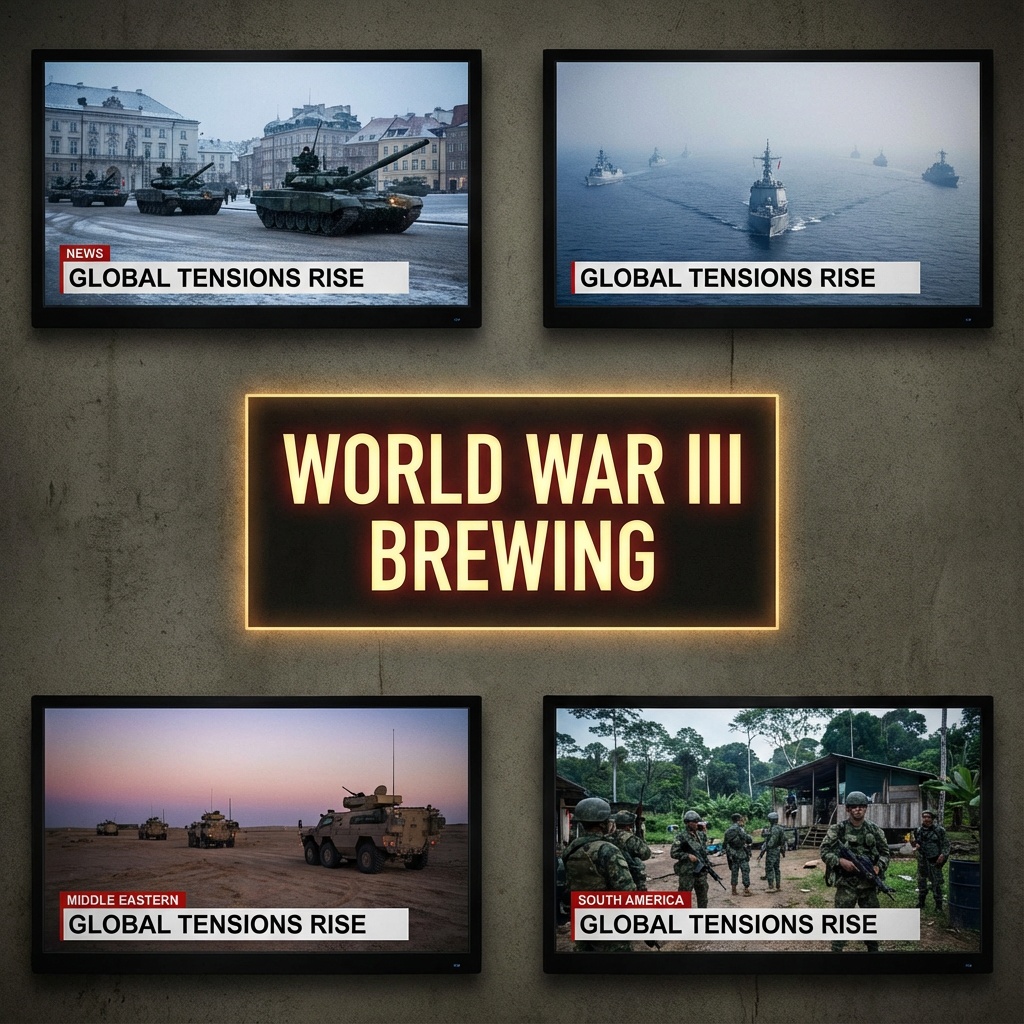
    WWIII Brewing


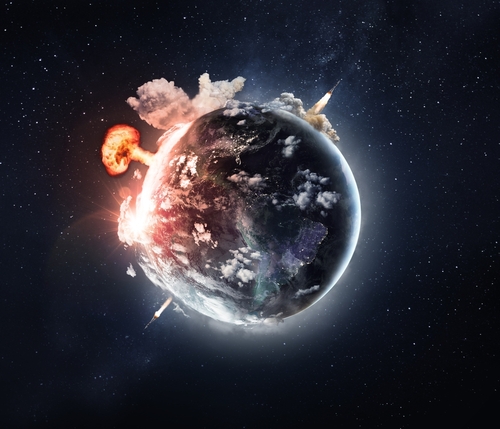
    For years, the press has insisted that every conflict must be viewed in isolation: Ukraine is separate from the Middle East, China is separate from Russia, and Iran is simply another regional crisis. But history rarely works that way. When historians look back at major wars, they rarely begin them on the date politicians announce them. World War I did not suddenly begin with a single shot in Sarajevo, and World War II was not simply the invasion of Poland. The causes were decades in the making. The uncomfortable reality is that when historians eventually write about this period, many will likely conclude that what we are witnessing today is the early phases of a world war.

    One of the greatest mistakes made after the Cold War was the assumption that the ideological struggle had been permanently resolved. The collapse of the Soviet Union was treated as a final victory rather than the end of a phase. Yet no durable geopolitical framework was created to integrate the defeated power structure into a stable international system. After World War II, the United States and its allies invested enormous resources into rebuilding Europe and Japan through the Marshall Plan and establishing institutions such as the United Nations and the Bretton Woods financial order. Those efforts created stability and prevented the reemergence of the same ideological conflict that produced two world wars. After the Cold War, nothing comparable was built.
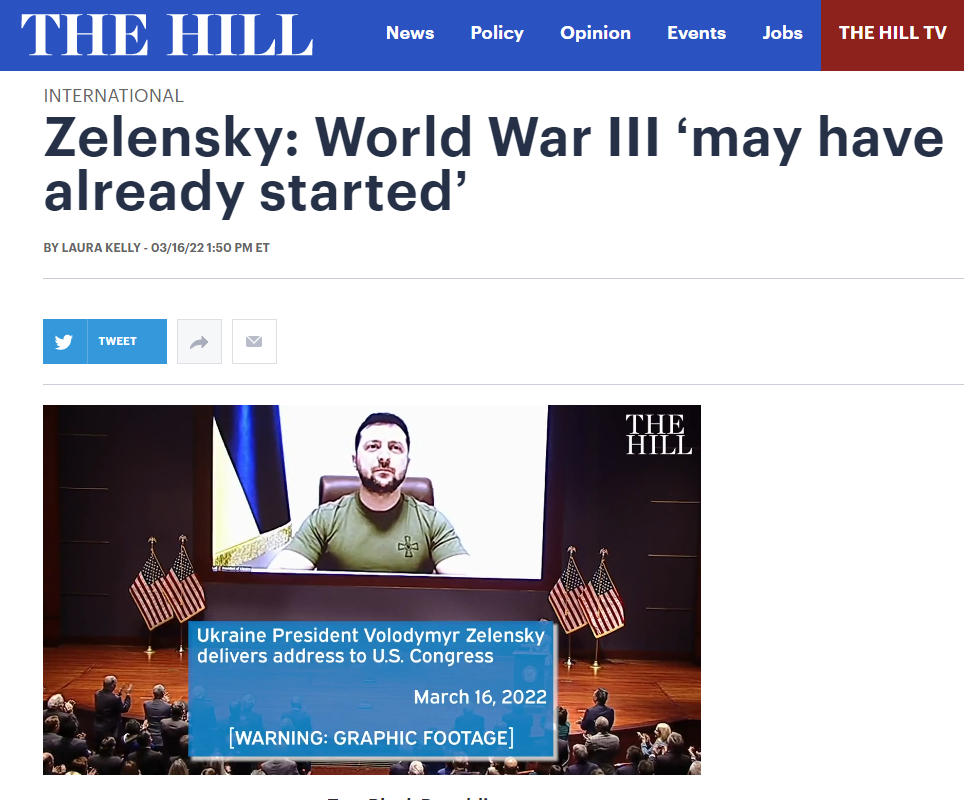
    Zelensky_World_War_III_may_have_already_started 2China.Russia.Putin_.Xi_

    Instead, Russia and other former Soviet states were left to endure economic collapse, political humiliation, and social chaos during the 1990s. Entire populations watched their national power evaporate while Western institutions expanded eastward. Whether one agrees with the political narratives or not is irrelevant. What matters historically is that unresolved tensions remained. Just as the Treaty of Versailles failed to resolve the deeper contradictions after World War I, the end of the Cold War left grievances that continued to grow beneath the surface.

    Now those unresolved tensions are resurfacing simultaneously across multiple regions. Russia is locked in confrontation with the West in Ukraine. China is challenging the global economic and military balance in the Pacific. The Middle East is once again erupting, with Iran increasingly aligned with Russia and China as geopolitical pressure mounts. These are not isolated events. They are overlapping theaters of strategic competition that increasingly resemble the early stages of great-power conflict.
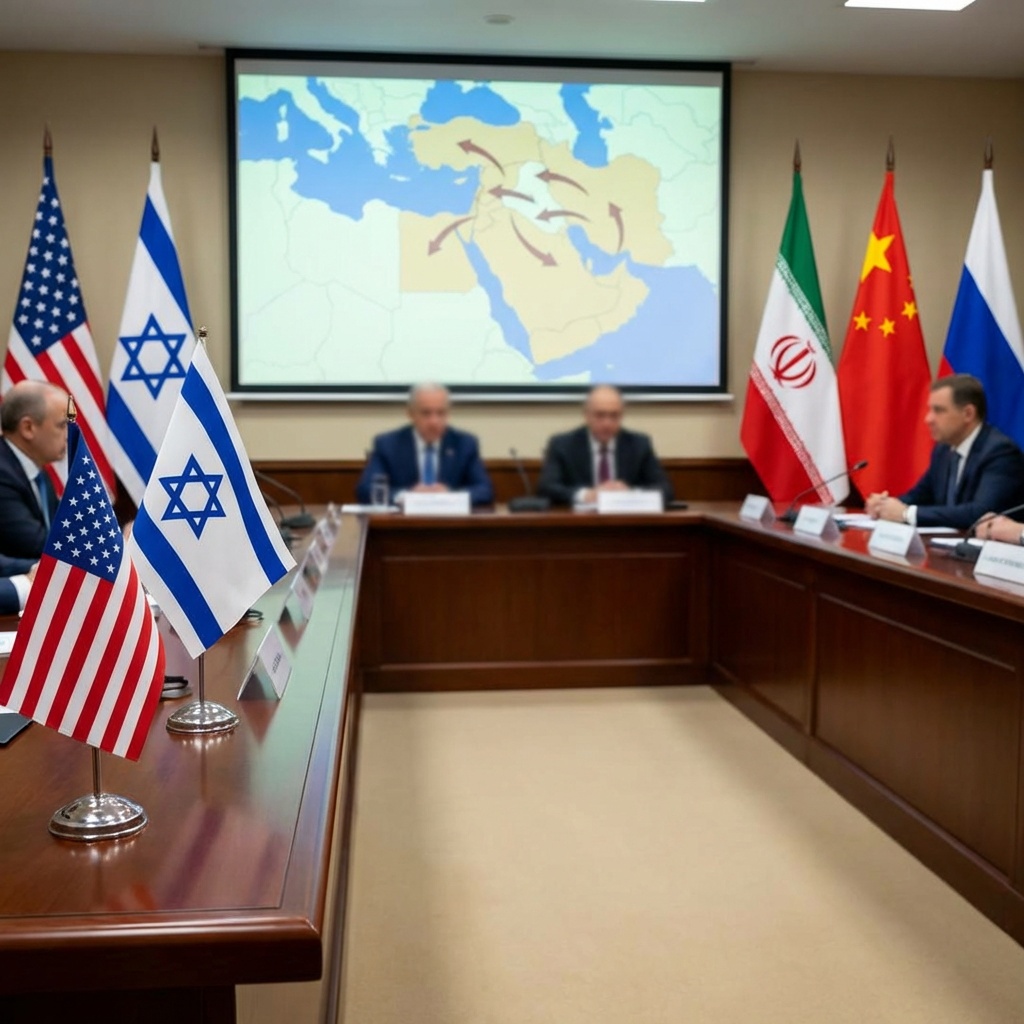
    US Israel vs Iran China RussiaThe_Neocon_Coup_of_Europe 2 28 25

    The Economic Confidence Model has long projected that the period around 2026 would mark a geopolitical turning point. That does not mean a sudden global war declared overnight. Historically, major conflicts emerge through a series of regional crises that gradually merge into a broader struggle. The Panic Cycle expected in 2027, and the larger turning point into 2028, suggest rising volatility and confrontation across multiple fronts. What we are seeing today fits that pattern perfectly. If history is any guide, future historians may not mark the beginning of the next world war with a single event. They may instead look back and say the war had already begun during this decade but we simply failed to recognize it at the time.
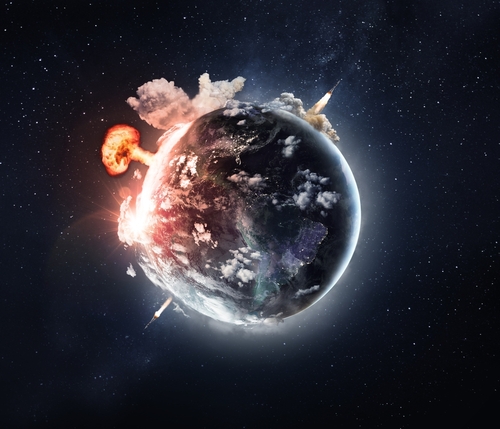
    World Nuclear War 1


    Source link

    Share. Facebook Twitter Pinterest LinkedIn Tumblr Email

    Related Posts

    Soros Vs India – Trying To Change Foreign Countries

    June 14, 2026

    Market Talk – June 12, 2026

    June 12, 2026

    STUDENT DISCOUNT NOW AVAILABLE! | Armstrong Economics

    June 12, 2026
    Top News

    Nvidia CEO Jensen Huang: ‘Most people will lose their job to somebody who uses AI’—not to AI itself

    By Staff WriterApril 21, 2026

    At a recent Stanford Graduate School of Business panel, Nvidia CEO Jensen Huang and California…

    Russia Can Now Disconnect Citizens And Entire Regions From The Internet

    February 24, 2026

    The danger of AI dependency

    October 16, 2025

    What will define 2026, according to leaders in space, healthcare, and AI

    January 14, 2026
    Top Trending

    10 Essential B2B Sales Strategies for Success

    By Staff WriterJune 14, 2026

    To succeed in B2B sales, you need effective strategies that address client…

    Soros Vs India – Trying To Change Foreign Countries

    By Staff WriterJune 14, 2026

    The primary driver of the rupee’s recent movement has been the conflict…

    What Is a Chart Accounts Numbering System?

    By Staff WriterJune 14, 2026

    A Chart of Accounts (COA) numbering system is crucial for any organization’s…

    Categories
    • Business
    • Economy
    • Headline News
    • Top News
    • US Politics
    • World Politics
    About us

    The Populist Bulletin serves as a beacon for the populist movement, which champions the interests of ordinary citizens over the agendas of the powerful and entrenched elitists. Rooted in the belief that the voices of everyday workers, families, and communities are often drowned out by powerful people and institutions, it delivers straightforward, unfiltered, compelling, relatable stories that resonate with the values of the American public.

    The Populist Bulletin was founded with a fervent commitment to inform, inspire, empower and spark meaningful conversations about the economy, business, politics, inequality, government accountability and overreach, globalization, and the preservation of American cultural heritage.

    The site offers a dynamic mix of investigative journalism, opinion editorials, and viral content that amplify populist sentiments and deliver stories that echo the concerns of everyday Americans while boldly challenging mainstream narratives that serve the privileged few.

    Top Picks

    10 Essential B2B Sales Strategies for Success

    June 14, 2026

    Soros Vs India – Trying To Change Foreign Countries

    June 14, 2026

    What Is a Chart Accounts Numbering System?

    June 14, 2026
    Categories
    • Business
    • Economy
    • Headline News
    • Top News
    • US Politics
    • World Politics
    Copyright © 2025 Populist Bulletin. All Rights Reserved.

    Type above and press Enter to search. Press Esc to cancel.