Close Menu
    Facebook X (Twitter) Instagram
    TRENDING :
    • Alphabet’s Q1 profit beats expectations, with Google’s big AI bets paying off
    • This common travel habit is now banned on American Airlines flights
    • Market Talk – April 29, 2026
    • Uber just expanded into hotels, AI, and ‘room service’ and it’s moving fast
    • Social media’s big tobacco moment is just a first step
    • Ghirardelli Chocolate products recalled over Salmonella fears. Avoid this list of 13 beverage mixes
    • Google, TikTok and Meta could be taxed by Australia to fund its newsrooms
    • MacKenzie Scott says we underestimate the impact of small acts of kindness. Science agrees
    Compatriot Chronicle
    • Home
    • US Politics
    • World Politics
    • Economy
    • Business
    • Headline News
    Compatriot Chronicle
    Home»Economy»Iran Waives Fees For Spanish Ships Passing Through Strait
    Economy

    Iran Waives Fees For Spanish Ships Passing Through Strait

    March 27, 20263 Mins Read
    Share Facebook Twitter Pinterest LinkedIn Tumblr Telegram Email Copy Link
    Follow Us
    Google News Flipboard
    Share
    Facebook Twitter LinkedIn Pinterest Email


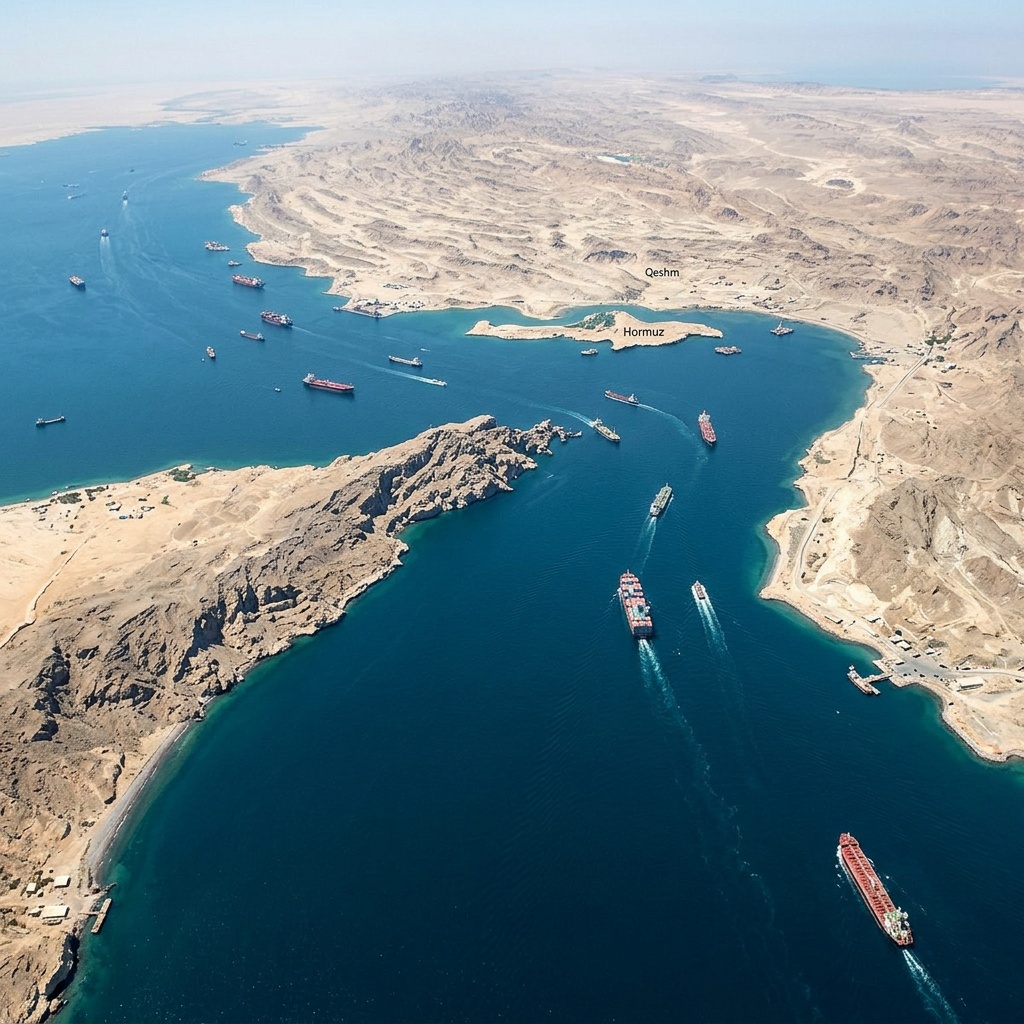
    Spain has now emerged in an unexpected position in the Strait of Hormuz crisis. Reports indicate that Iranian authorities are allowing Spanish-linked vessels to pass without the heavy tolls or restrictions imposed on others. Spain is not the largest maritime power moving through Hormuz. However, it is deeply integrated into European shipping networks, ports, and energy supply chains. That means any preferential treatment can ripple across Europe and influence how trade is routed.

    What is unfolding is not just control of a chokepoint. It is selective control. Iran has made clear that only “non-hostile” vessels may pass freely. Others face restrictions or high fees. This transforms the strait from a neutral international waterway into a politically managed corridor. Once access depends on alignment rather than law, globalization begins to fracture.

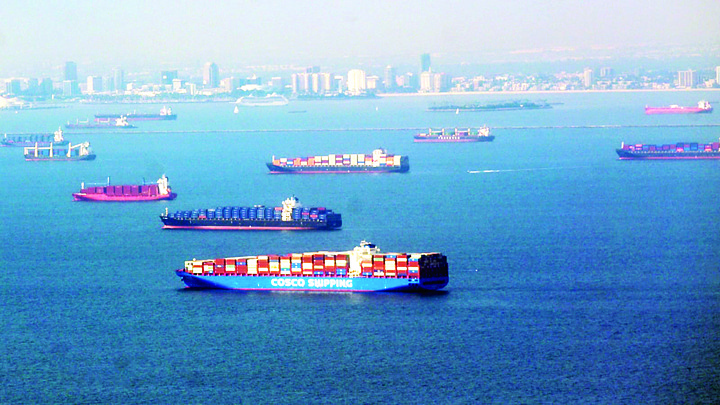
    The scale of the disruption is significant. Under normal conditions, about 130 to 140 ships pass through the strait daily. These vessels carry roughly 20 million barrels of oil, close to one-fifth of global supply. Recent reports suggest traffic has dropped sharply. Some estimates show only a handful of ships moving per day, with total monthly crossings far below normal levels. This is no longer a stable trade route. It is operating under wartime conditions.

    If Spanish-linked ships move more freely, they gain a cost advantage. Markets will respond quickly to that distortion. Other European actors may try to route cargo through Spain. They may use Spanish partnerships, flags, or intermediaries to bypass higher costs. This is how arbitrage works. It does not wait for political approval.

    Iran’s decision centers around Spain’s refusal to support the US and Israel in this war. Not only has Spain refused to offer support, it has openly condemned actions taken against Iran. Now those who supported sanctions and military aid tied to Ukraine and will see this as a betrayal. They accepted economic costs for a unified policy. Now they face higher shipping costs while another member gains relief. That undermines the idea of a coordinated European response. This is how alliances begin to weaken. You cannot maintain unity when access to critical trade routes is uneven. Some countries gain advantages, others absorb losses. Over time, that creates internal competition rather than cooperation.

    From a capital flow perspective, the outcome is predictable. Capital moves toward efficiency. If Spain offers a cheaper path through a restricted chokepoint, flows will shift in that direction. That concentrates activity and amplifies divisions across Europe. The deeper issue is structural. The Strait of Hormuz is no longer functioning as an open route but as a controlled gateway.

    Trade is now being filtered through alliances rather than markets. That shift has already begun.


    Source link

    Share. Facebook Twitter Pinterest LinkedIn Tumblr Email

    Related Posts

    Market Talk – April 29, 2026

    April 29, 2026

    Starmer’s Collapse Is A Vote Against Policy Failure

    April 29, 2026

    Google Partners With The Pentagon To Sell Your Data

    April 29, 2026
    Top News

    How the Trump administration’s ‘efficiency’ goals have exacerbated food waste

    By Staff WriterNovember 29, 2025

    The U.S. government has caused massive food waste during President Donald Trump’s second term. Policies…

    How to Make a Free Business Plan in 5 Steps

    January 19, 2026

    Trump Just Gave Green Light For World War III

    September 23, 2025

    Klarna CEO says firm will likely cut 1,000 employees by 2030—partially due to AI

    February 18, 2026
    Top Trending

    Alphabet’s Q1 profit beats expectations, with Google’s big AI bets paying off

    By Staff WriterApril 29, 2026

    Google’s transition into the era of artificial intelligence continued to pay off for its…

    This common travel habit is now banned on American Airlines flights

    By Staff WriterApril 29, 2026

    Passengers flying with low battery on their phones might be out of…

    Market Talk – April 29, 2026

    By Staff WriterApril 29, 2026

    ASIA: The major Asian stock markets had a mixed day today: •…

    Categories
    • Business
    • Economy
    • Headline News
    • Top News
    • US Politics
    • World Politics
    About us

    The Populist Bulletin serves as a beacon for the populist movement, which champions the interests of ordinary citizens over the agendas of the powerful and entrenched elitists. Rooted in the belief that the voices of everyday workers, families, and communities are often drowned out by powerful people and institutions, it delivers straightforward, unfiltered, compelling, relatable stories that resonate with the values of the American public.

    The Populist Bulletin was founded with a fervent commitment to inform, inspire, empower and spark meaningful conversations about the economy, business, politics, inequality, government accountability and overreach, globalization, and the preservation of American cultural heritage.

    The site offers a dynamic mix of investigative journalism, opinion editorials, and viral content that amplify populist sentiments and deliver stories that echo the concerns of everyday Americans while boldly challenging mainstream narratives that serve the privileged few.

    Top Picks

    Alphabet’s Q1 profit beats expectations, with Google’s big AI bets paying off

    April 29, 2026

    This common travel habit is now banned on American Airlines flights

    April 29, 2026

    Market Talk – April 29, 2026

    April 29, 2026
    Categories
    • Business
    • Economy
    • Headline News
    • Top News
    • US Politics
    • World Politics
    Copyright © 2025 Populist Bulletin. All Rights Reserved.

    Type above and press Enter to search. Press Esc to cancel.