Close Menu
    Facebook X (Twitter) Instagram
    TRENDING :
    • This Restaurant Chain Went Back to the Basics to Boost Sales
    • Market Talk – July 29, 2026
    • How to Land Your First Agency Client (and How Not to)
    • Visa Is Cutting 2,600 Jobs — AI Is Only Part of the Reason
    • Church’s Chicken Lands ‘Significant’ Investment for Its Next Phase
    • This Startup Wants to Bring Concierge Healthcare to the Masses
    • Apple Watch Saves Cincinnati Man After He Collapsed at His Home
    • 12,000 pounds of bacon recalled as USDA slaps product with dreaded ‘Class 1’ designation. Is that serious?
    Compatriot Chronicle
    • Home
    • US Politics
    • World Politics
    • Economy
    • Business
    • Headline News
    Compatriot Chronicle
    Home»Economy»Egypt Goes Dark Amid Energy Crisis
    Economy

    Egypt Goes Dark Amid Energy Crisis

    April 8, 20263 Mins Read
    Share Facebook Twitter Pinterest LinkedIn Tumblr Telegram Email Copy Link
    Follow Us
    Google News Flipboard
    Share
    Facebook Twitter LinkedIn Pinterest Email


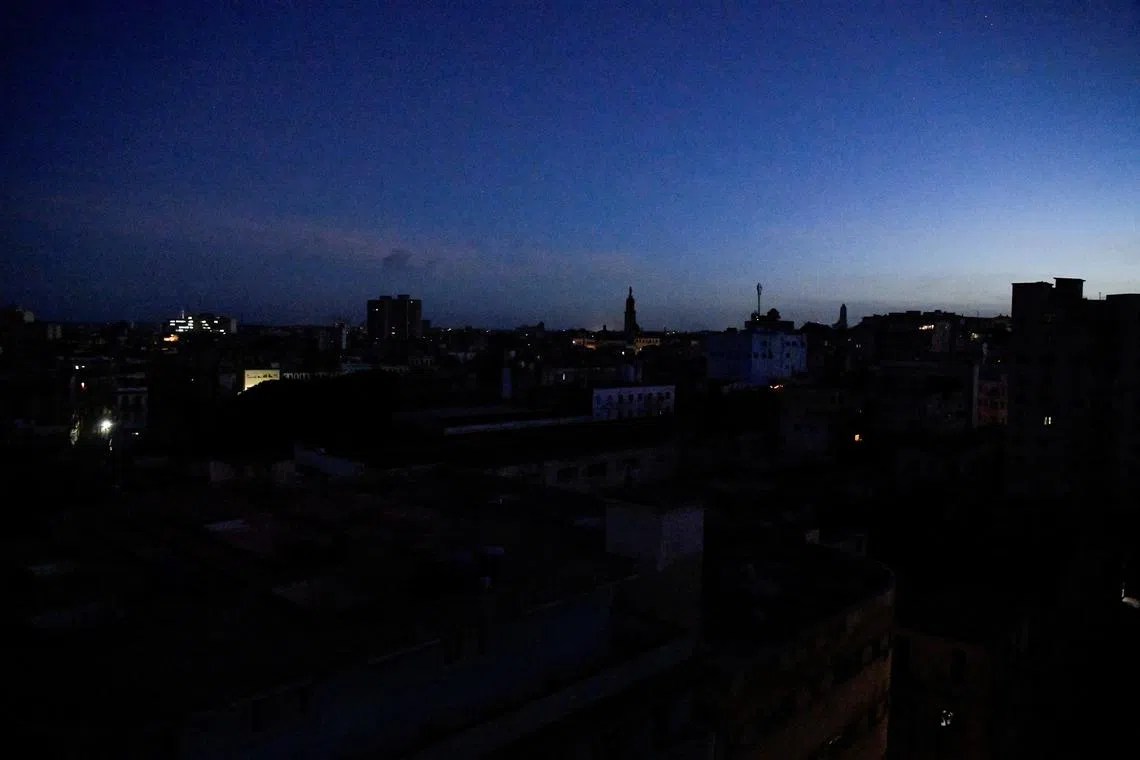
    Egypt is now offering a real-time example of what happens when an energy crisis moves from theory into reality, and it is not unfolding in some distant or abstract way but directly in the daily life of one of the most populated nations in the Middle East. Cairo, a city historically known for its nightlife and constant activity, is now being forced into darkness as the government imposes strict measures to conserve energy following the fallout from the Iran war.

    Businesses are being ordered to shut down early, public lighting has been reduced, and what was once a 24-hour economy is now being artificially curtailed to cope with soaring fuel costs and disrupted supply chains.

    The scale of the shock is significant because Egypt is not a major oil producer capable of insulating itself from global disruptions, but rather a country heavily dependent on imported energy. The government has confirmed that its energy import bill has more than doubled since the war began, forcing authorities to raise fuel prices, increase transportation costs, and even slow state-backed projects to manage the financial strain. This is precisely how an energy crisis spreads through an economy, beginning with supply constraints and then rippling outward into inflation, reduced activity, and ultimately social pressure.

    What is unfolding in Cairo is not just about dimmed streetlights or earlier closing times, it is a form of economic contraction imposed by necessity. Shops, cafes, and restaurants are now required to close as early as 9 p.m., cutting off peak business hours in a culture where much of economic and social life traditionally occurs late at night. This has immediate consequences as businesses lose revenue, workers lose hours, and entire sectors begin to slow down. The government has even introduced reduced working hours and remote work policies to limit energy consumption, which further highlights how deep the problem has become.

    Egypt was already dealing with a weakened currency and inflation running above 13%, and now it is being hit with an external shock that it cannot control. This combination is extremely dangerous because it reduces the government’s ability to respond while increasing pressure on the population. Tourism, one of Egypt’s primary sources of foreign currency, is already showing signs of slowing, and if that continues, it will further strain an already fragile balance of payments.

    Egypt is simply one of the first visible cracks in the system. Countries that rely on imported energy are all facing similar pressures, but Egypt’s scale and economic structure make the impact more immediate and more visible.

    This is where the broader picture becomes clear. The energy crisis is not something that hits everywhere at once. It moves unevenly, affecting the most vulnerable economies first, particularly those dependent on imports and exposed to global price shocks. Egypt is now showing what that looks like in practice, where an external geopolitical conflict translates directly into domestic restrictions, economic slowdown, and rising costs of living.


    Source link

    Share. Facebook Twitter Pinterest LinkedIn Tumblr Email

    Related Posts

    Market Talk – July 29, 2026

    July 29, 2026

    The Dark Side Of Washington – Money Before Country

    July 29, 2026

    Garbage Trucks Surveillance Florida Neighborhoods

    July 29, 2026
    Top News

    TikTok DMs have a hidden easter egg—and it’s no joke. How to find and play the secret emoji game

    By Staff WriterApril 2, 2026

    If you don’t pay attention, you could miss it. There is a secret alligator emoji…

    Will Mortgage Rates Crash And Spur A Real Estate Boom?

    March 2, 2026

    Elon Musk’s companies are having a bad week on the markets: Why SpaceX and Tesla stock prices are down

    July 24, 2026

    May 2026 Live Webinar Series

    April 24, 2026
    Top Trending

    This Restaurant Chain Went Back to the Basics to Boost Sales

    By Staff WriterJuly 29, 2026

    Key Takeaways Chili’s parent company, Brinker International, is focusing on core restaurant…

    Market Talk – July 29, 2026

    By Staff WriterJuly 29, 2026

    ASIA: The major Asian stock markets had a mixed day today: •…

    How to Land Your First Agency Client (and How Not to)

    By Staff WriterJuly 29, 2026

    Opinions expressed by Entrepreneur contributors are their own. Key Takeaways If you’ve…

    Categories
    • Business
    • Economy
    • Headline News
    • Top News
    • US Politics
    • World Politics
    About us

    The Populist Bulletin serves as a beacon for the populist movement, which champions the interests of ordinary citizens over the agendas of the powerful and entrenched elitists. Rooted in the belief that the voices of everyday workers, families, and communities are often drowned out by powerful people and institutions, it delivers straightforward, unfiltered, compelling, relatable stories that resonate with the values of the American public.

    The Populist Bulletin was founded with a fervent commitment to inform, inspire, empower and spark meaningful conversations about the economy, business, politics, inequality, government accountability and overreach, globalization, and the preservation of American cultural heritage.

    The site offers a dynamic mix of investigative journalism, opinion editorials, and viral content that amplify populist sentiments and deliver stories that echo the concerns of everyday Americans while boldly challenging mainstream narratives that serve the privileged few.

    Top Picks

    This Restaurant Chain Went Back to the Basics to Boost Sales

    July 29, 2026

    Market Talk – July 29, 2026

    July 29, 2026

    How to Land Your First Agency Client (and How Not to)

    July 29, 2026
    Categories
    • Business
    • Economy
    • Headline News
    • Top News
    • US Politics
    • World Politics
    Copyright © 2025 Populist Bulletin. All Rights Reserved.

    Type above and press Enter to search. Press Esc to cancel.