


Governments never abandon an idea once they discover it increases control. They simply wait until the public is distracted and repackage it under a different name. The lockdowns may be over, but the mentality that produced them never disappeared. It merely evolved.
The United Kingdom is now moving toward a digital identity system tied to smartphones through the GOV.UK Wallet and digital credentials. The politicians sell it as convenience. They always do. It is easier. It is faster. It is more secure. Those are the same promises made every time governments seek to consolidate information and authority into a single system. What begins as a voluntary tool gradually becomes expected, then preferred, then required. Before long, participation in normal life depends on compliance.
The concern has never been the technology itself. The danger is the inevitable expansion of purpose. Today, it is proving your age, identity, or right to work. Tomorrow, it becomes the preferred method for accessing benefits, taxes, banking services, healthcare, travel, voting, and countless other activities. Every government insists it will never go too far, yet history repeatedly demonstrates that once infrastructure exists, future politicians inherit powers they never had to build themselves.
Privacy advocates, cybersecurity experts, and civil liberties groups have already warned that digital identity systems will erode privacy and place sensitive information in a centralized database, ripe for the taking. Once your identity, credentials, permissions, and access are concentrated inside a digital ecosystem, the relationship between citizen and state fundamentally changes.
What few people appreciate is how quickly a digital identity can become the master key for everyday life. Once your government-issued digital credentials are stored on your phone, they can be linked to tax records, healthcare access, benefits, banking verification, travel documents, age verification, employment eligibility, and countless other services. Before long, those who refuse to participate find themselves navigating endless hurdles while everyone else is funneled into a single digital ecosystem. Participation becomes unavoidable. Every crisis then becomes an excuse to add another layer of monitoring, another credential, another requirement, until the smartphone evolves into a digital passport for participation in modern society.
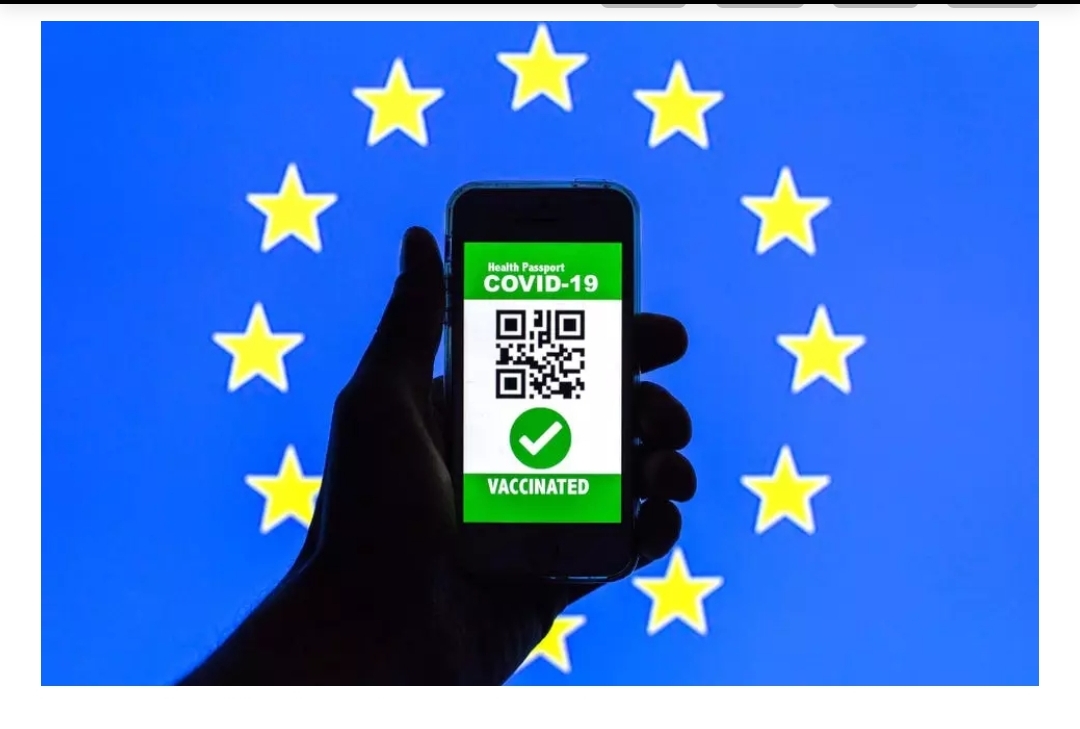
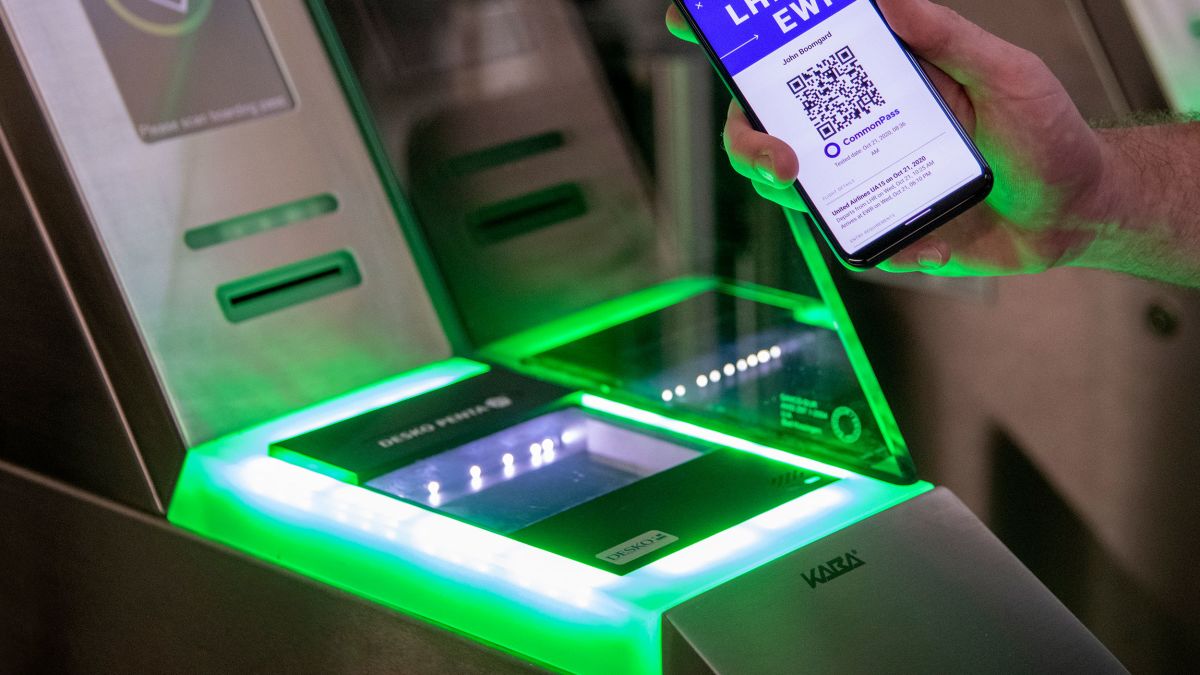
We saw governments worldwide prohibit citizens from accessing public spaces during COVID if they refused to be vaccinated. Play by the rules if you want to participate in society. Look what happened in China during COVID as one of countless examples. China sought to prevent bank runs by restricting citizens’ physical access to banks. People were required to scan a pass to enter public transportation systems but were denied entry. If they made it to the bank, they were barred from entering because the code had been switched off. Over $6 billion (39 billion yuan) was frozen, and thousands of people were unable to access their bank accounts. A few banks in rural Henan reported bank runs, and residents were planning a protest after finding that their funds were frozen. The government successfully controlled human behavior through a digital platform.
Conveniently, the COVID tracing app is required to enter the bank. Users need to scan their QR codes to enter most public places. It has been reported that thousands of COVID-negative individuals had their status changed via the app, restricting their movement and making public places inaccessible. So even those who play by the rules are at risk of losing their place among society, instantly, without warning or reason.
At first, they will claim that participation is optional. Governments claimed that the COVID vaccination was not technically mandatory, but citizens could not freely access society without proof of vaccination. The pattern is the same—you technically do not need to create a digital ID, but basic tasks will become increasingly difficult to the point where you either cave or find energy-intensive workarounds. If this were about convenience, the government would not be considering assigning every newborn a digital ID at birth.
Millions of people living in Thailand understand the power the government holds over them after digital IDs were linked to their ability to bank. The Thai government began freezing tens of thousands of bank accounts per week. Over three million accounts were frozen without notice or proper investigation. Shockwaves of panic spread throughout the nation. Businesses no longer wish to accept credit. Confidence in government and now the banks has been destroyed. This event occurred as a protective measure against money laundering, allegedly, but soon, governments will have the ability to deliberately revoke access to the system.
Freedom is rarely lost in one dramatic moment. It disappears through a thousand small steps, each presented as reasonable, practical, and necessary. Most people will accept digital ID because it appears convenient, but there are the remaining few who continue to trust the government. Once government decides that access to services, travel, employment, banking, or communication should depend on maintaining that digital identity in good standing then we will see a massive uproar. But of course, by then it will be too late, and any disobedience will be noted in your permanent digital file.