Close Menu
    Facebook X (Twitter) Instagram
    TRENDING :
    • Trump keeps kneecapping the U.S.’s most promising AI models 
    • Ukraine’s Army+ App Reveals A Much Larger Problem
    • Regulators back Trump’s plan to power AI data centers faster with grid connections
    • Israel’s Conscription Crisis Exposes A Nation Divided
    • What if the office is actually a workplace perk?
    • Slovakia’s Constitutional Court Fires A Warning Shot At Debt Addiction
    • Reddit cofounder Alexis Ohanian speaks up about that UFC fighter’s controversial Michelle Obama comment
    • Knicksmania transformed NYC for 2 blissful weeks
    Compatriot Chronicle
    • Home
    • US Politics
    • World Politics
    • Economy
    • Business
    • Headline News
    Compatriot Chronicle
    Home»Economy»Pokémon Go Data Used For Drone Warfare
    Economy

    Pokémon Go Data Used For Drone Warfare

    June 15, 20263 Mins Read
    Share Facebook Twitter Pinterest LinkedIn Tumblr Telegram Email Copy Link
    Follow Us
    Google News Flipboard
    Share
    Facebook Twitter LinkedIn Pinterest Email


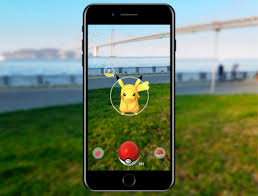
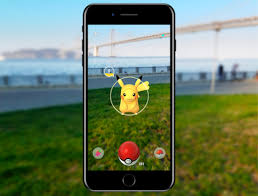
    Back in 2016, when Pokémon Go exploded across the world, I wrote that people should be asking a simple question: why would investors spend billions creating a game that encouraged hundreds of millions of people to walk around with GPS-enabled devices, cameras, and location tracking operating continuously? At the time, most people laughed. They saw a harmless game. What they failed to understand is that in the digital age, data has become more valuable than oil.

    Now we are discovering that nearly 30 billion images collected from Pokémon Go users over the past decade helped create one of the most sophisticated three-dimensional mapping systems ever assembled. According to recent reports, Niantic Spatial used those scans to build a visual positioning system capable of allowing robots and drones to navigate even when GPS signals are unavailable. Researchers claim that this technology is now finding applications not only in commercial robotics but potentially in military systems as well.

    Think about what has actually happened. Millions of people, children included, believed they were simply catching virtual creatures. In reality, they were helping build an extraordinarily detailed digital reconstruction of the physical world. Every building scanned, every landmark photographed, every street corner mapped became part of a massive geospatial database. Niantic Spatial itself has acknowledged that its system has been trained using more than 30 billion images gathered through years of player participation.
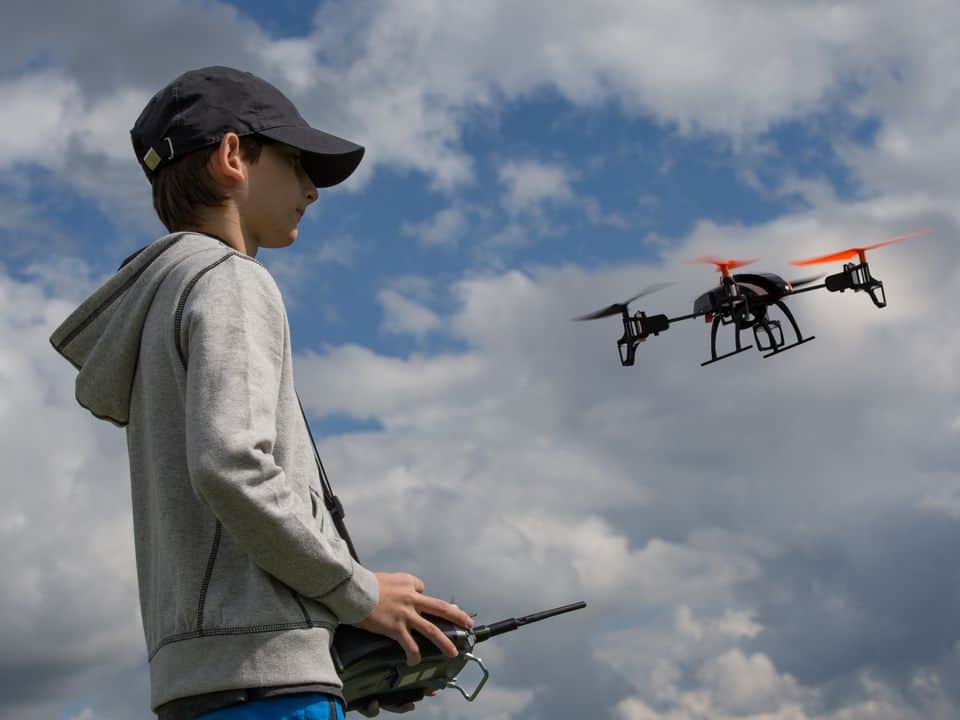
    Drone.Kid_

    The most remarkable aspect of this story is that the public largely financed and built the database themselves. They supplied the images. They supplied the location data. They supplied the training material and carried the cameras. They volunteered years of labor without realizing they were helping create a valuable artificial intelligence asset. Convince people they are playing a game while simultaneously constructing one of the most comprehensive mapping projects in human history.

    What is particularly troubling is that the reports suggest the technology developed from Pokémon Go data may help drones navigate even when GPS signals are jammed or unavailable. Modern battlefields increasingly rely on electronic warfare, with both sides attempting to disrupt satellite navigation systems. By training artificial intelligence on billions of images collected by players around the world, Niantic’s mapping technology allows machines to recognize buildings, roads, landmarks, and terrain visually rather than relying solely on GPS coordinates.

    In practical terms, that means a drone could potentially continue operating, identifying its location, and reaching its target even after traditional navigation systems have been disabled. Few participants, if any, could have imagined that hunting for Pokémon would assist government kill machines.

    Every smartphone user is contributing to systems far larger than they imagine. Every search query, every location ping, every photograph, every online interaction becomes part of a data ecosystem that can be analyzed, monetized, and repurposed in ways never envisioned when the information was originally collected.

    The world is rapidly moving toward a digital infrastructure where everything is mapped, tracked, modeled, and analyzed. The race is no longer merely about information. It is about creating a real-time digital replica of the physical world itself. Pokémon Go may ultimately be remembered as one of the most successful data collection operations in history. Millions thought they were hunting Pikachu. What they were really helping to build was the foundation for a new generation of artificial intelligence, robotics, and autonomous navigation systems. The question is not whether this technology will be used. The question is who will control it once it becomes indispensable.


    Source link

    Share. Facebook Twitter Pinterest LinkedIn Tumblr Email

    Related Posts

    Ukraine’s Army+ App Reveals A Much Larger Problem

    June 19, 2026

    Israel’s Conscription Crisis Exposes A Nation Divided

    June 19, 2026

    Slovakia’s Constitutional Court Fires A Warning Shot At Debt Addiction

    June 19, 2026
    Top News

    OpenAI releases GPT-5.5, a more powerful engine for coding, science, and general work

    By Staff WriterApril 24, 2026

    OpenAI on Thursday released its most capable AI system, GPT-5.5, which the company says will…

    Trump meme coin down 96% as Bitcoin and meme coins slide

    February 10, 2026

    Ex-Starbucks staff take to TikTok after losing their jobs amid hundreds of sudden closures

    October 4, 2025

    TSA pay is back today—but here’s why airport lines could still be slow

    March 30, 2026
    Top Trending

    Trump keeps kneecapping the U.S.’s most promising AI models 

    By Staff WriterJune 19, 2026

    Welcome to AI Decoded, Fast Company’s weekly newsletter that breaks down the most important news…

    Ukraine’s Army+ App Reveals A Much Larger Problem

    By Staff WriterJune 19, 2026

    Ukraine’s government is celebrating a new feature inside the Army+ app that…

    Regulators back Trump’s plan to power AI data centers faster with grid connections

    By Staff WriterJune 19, 2026

    Federal regulators on Thursday agreed to let large energy users connect more…

    Categories
    • Business
    • Economy
    • Headline News
    • Top News
    • US Politics
    • World Politics
    About us

    The Populist Bulletin serves as a beacon for the populist movement, which champions the interests of ordinary citizens over the agendas of the powerful and entrenched elitists. Rooted in the belief that the voices of everyday workers, families, and communities are often drowned out by powerful people and institutions, it delivers straightforward, unfiltered, compelling, relatable stories that resonate with the values of the American public.

    The Populist Bulletin was founded with a fervent commitment to inform, inspire, empower and spark meaningful conversations about the economy, business, politics, inequality, government accountability and overreach, globalization, and the preservation of American cultural heritage.

    The site offers a dynamic mix of investigative journalism, opinion editorials, and viral content that amplify populist sentiments and deliver stories that echo the concerns of everyday Americans while boldly challenging mainstream narratives that serve the privileged few.

    Top Picks

    Trump keeps kneecapping the U.S.’s most promising AI models 

    June 19, 2026

    Ukraine’s Army+ App Reveals A Much Larger Problem

    June 19, 2026

    Regulators back Trump’s plan to power AI data centers faster with grid connections

    June 19, 2026
    Categories
    • Business
    • Economy
    • Headline News
    • Top News
    • US Politics
    • World Politics
    Copyright © 2025 Populist Bulletin. All Rights Reserved.

    Type above and press Enter to search. Press Esc to cancel.