Close Menu
    Facebook X (Twitter) Instagram
    TRENDING :
    • A Cape Verde soccer player got all the way to the World Cup, thanks to a LinkedIn message
    • Canva only hires people with these 2 traits—why they matter amid the AI shift
    • Work-life balance doesn’t exist for working parents
    • Jeff Bezos says AI will cause “labor scarcity,” not job loss
    • Market Talk – June 16, 2026
    • Robinhood lays off 10% of staff to flatten its organizational structure
    • SpaceX buys AI coding startup Cursor for $60 billion
    • Evan Spiegel says Snap can’t fulfill its mission without its new AR glasses
    Compatriot Chronicle
    • Home
    • US Politics
    • World Politics
    • Economy
    • Business
    • Headline News
    Compatriot Chronicle
    Home»Business»Work-life balance doesn’t exist for working parents
    Business

    Work-life balance doesn’t exist for working parents

    June 16, 20264 Mins Read
    Share Facebook Twitter Pinterest LinkedIn Tumblr Telegram Email Copy Link
    Follow Us
    Google News Flipboard
    Share
    Facebook Twitter LinkedIn Pinterest Email

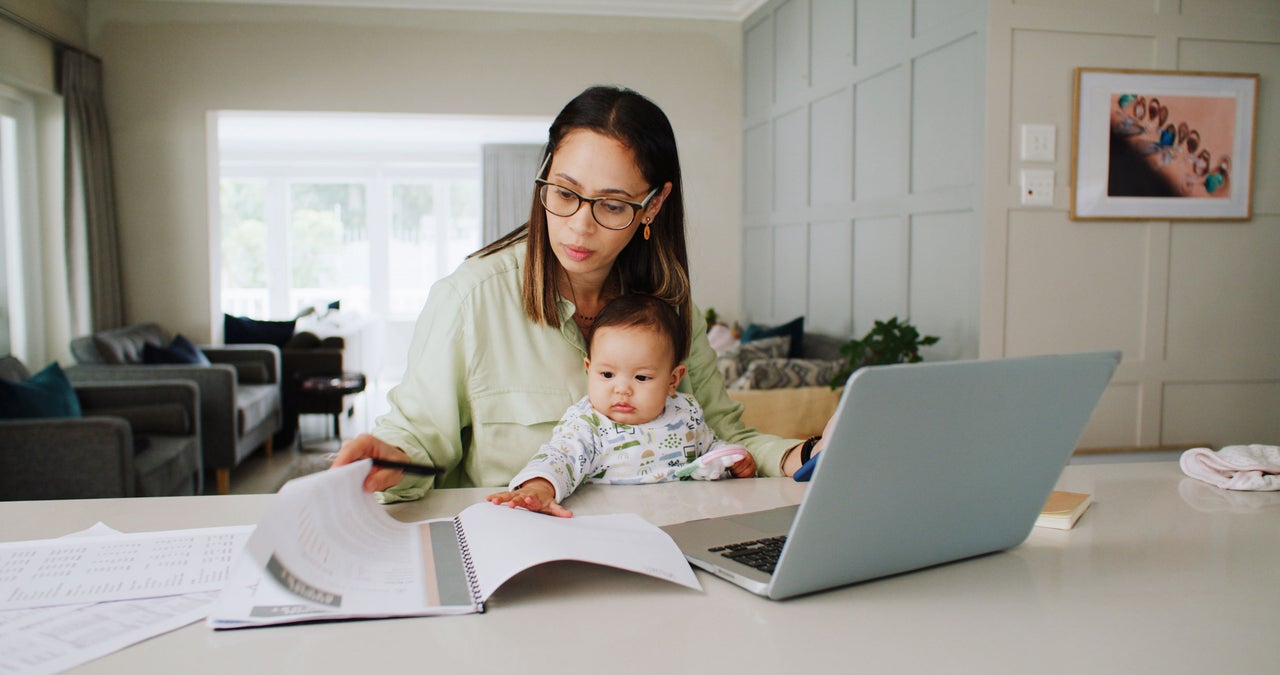
    If work-life balance is hard to come by for many American workers, then it’s virtually impossible to achieve for working parents. A new study from the Pew Research Center captures just how porous the boundary is for parents who are struggling to juggle work and life. For the majority of parents, their caregiving responsibilities bleed into work—and vice versa. 

    In a survey of 2,242 working parents in the U.S., Pew found that among those who worked full time, 70% said they took care of parenting-related tasks while on the job, and 59% handled work responsibilities while with their children. Over half of them said it was a challenge to balance work with family life and that their job made it harder to be a good parent. Nearly as many parents—45%—said it was difficult to advance in their career as a parent. Even when parents worked part-time, over half said work-life balance was hard to come by.

    Working mothers are, of course, having a more difficult time striking a balance. 

    A whopping 81% of women surveyed said they dealt with parenting tasks while at work, and a significant portion of them (38%) reported doing so very often. On the whole, women were more likely to feel the strain of balancing work with parenting obligations—though men also reported facing the same challenges in relatively high numbers. Plenty of fathers (62%) also said they took care of parenting tasks while on the job, and 57% spent time working while with their children (as compared to 63% of women).

    Perhaps that’s in part because women shoulder more of the caregiving burden: According to the survey, 52% of parents said the mom handled more day-to-day parenting tasks and 43% said the mom handled more household chores. A significant portion of parents—about 40%—also claimed that those tasks were shared equally. 

    But there’s some disagreement on the distribution of labor, depending on who you ask: Men were a lot more likely to suggest that parenting tasks and household chores were shared equally. Women, on the other hand, were more likely to say they did those tasks on their own. (Even dads, however, were not inclined to take credit for handling these tasks on their own: Just 25% of them said they took care of more household tasks and only 13% said the same of parenting tasks.) 

    This difference in perception also carried over into how families handle childcare gaps: Mothers were far more likely to say they took time off when childcare issues came up unexpectedly, with 68% of them reporting that as compared to 29% of fathers. 

    The most damning finding? Even in families where the mother worked longer hours, both parents were more likely to report that she handled more parenting and household tasks. Is it any surprise, then, that senior-level women—the very mothers who should have more resources and support—are struggling with this high-wire act? 

    Still, the odds are especially stacked against working mothers who also lack financial privilege. Parents with lower incomes were less likely to have workplace benefits like parental leave or the flexibility to work from home; they were also less likely to have access to health insurance or paid time off. This lack of workplace support also engenders more anxiety about job security when those parents face childcare gaps or have to take time off to care for a sick child. 

    While perks like remote work help ease this burden to some extent, there’s no silver bullet. Even when parents are able to work from home, the Pew survey found they are just as likely to say that work life balance is out of reach. 

    As one mother from the survey put it: “I’m supposed to work like I don’t have kids and supposed to parent like I don’t have a job.”


    Source link

    Share. Facebook Twitter Pinterest LinkedIn Tumblr Email

    Related Posts

    A Cape Verde soccer player got all the way to the World Cup, thanks to a LinkedIn message

    June 17, 2026

    Canva only hires people with these 2 traits—why they matter amid the AI shift

    June 16, 2026

    Jeff Bezos says AI will cause “labor scarcity,” not job loss

    June 16, 2026
    Top News

    Luigi Mangione won’t face the death penalty for UnitedHealth CEO’s killing, judge rules

    By Staff WriterJanuary 31, 2026

    Federal prosecutors can’t seek the death penalty against Luigi Mangione in the killing of UnitedHealthcare…

    American Eagle Responds to Critics Over Ad With Sydney Sweeney

    August 18, 2025

    How World Cup ticket inflation reflects a bigger problem with pricing

    June 13, 2026

    What happens when the people building the AIs are replaced by robots?

    September 27, 2025
    Top Trending

    A Cape Verde soccer player got all the way to the World Cup, thanks to a LinkedIn message

    By Staff WriterJune 17, 2026

    On LinkedIn, users may find thinkfluencers offering life lessons from mundane events,…

    Canva only hires people with these 2 traits—why they matter amid the AI shift

    By Staff WriterJune 16, 2026

    As artificial intelligence disrupts the workplace, there are still two human traits…

    Work-life balance doesn’t exist for working parents

    By Staff WriterJune 16, 2026

    If work-life balance is hard to come by for many American workers,…

    Categories
    • Business
    • Economy
    • Headline News
    • Top News
    • US Politics
    • World Politics
    About us

    The Populist Bulletin serves as a beacon for the populist movement, which champions the interests of ordinary citizens over the agendas of the powerful and entrenched elitists. Rooted in the belief that the voices of everyday workers, families, and communities are often drowned out by powerful people and institutions, it delivers straightforward, unfiltered, compelling, relatable stories that resonate with the values of the American public.

    The Populist Bulletin was founded with a fervent commitment to inform, inspire, empower and spark meaningful conversations about the economy, business, politics, inequality, government accountability and overreach, globalization, and the preservation of American cultural heritage.

    The site offers a dynamic mix of investigative journalism, opinion editorials, and viral content that amplify populist sentiments and deliver stories that echo the concerns of everyday Americans while boldly challenging mainstream narratives that serve the privileged few.

    Top Picks

    A Cape Verde soccer player got all the way to the World Cup, thanks to a LinkedIn message

    June 17, 2026

    Canva only hires people with these 2 traits—why they matter amid the AI shift

    June 16, 2026

    Work-life balance doesn’t exist for working parents

    June 16, 2026
    Categories
    • Business
    • Economy
    • Headline News
    • Top News
    • US Politics
    • World Politics
    Copyright © 2025 Populist Bulletin. All Rights Reserved.

    Type above and press Enter to search. Press Esc to cancel.