Close Menu
    Facebook X (Twitter) Instagram
    TRENDING :
    • The personal brand trap: Why humans shouldn’t think of themselves as brands
    • Can we trust scientific images in the era of AI?
    • Why the founder of David protein bars says controversy can be good for business
    • US Strikes Deal For Kenya’s Rare Earth Minerals
    • Women could solve the AI trust gap, but they aren’t in the room
    • Japan: The First Domino In The Sovereign Debt Crisis?
    • Gloria Steinem talks parental leave, women in leadership, and saving democracy
    • The Death Of Homeownership For The Next Generation
    Compatriot Chronicle
    • Home
    • US Politics
    • World Politics
    • Economy
    • Business
    • Headline News
    Compatriot Chronicle
    Home»Economy»US Strikes Deal For Kenya’s Rare Earth Minerals
    Economy

    US Strikes Deal For Kenya’s Rare Earth Minerals

    June 24, 20262 Mins Read
    Share Facebook Twitter Pinterest LinkedIn Tumblr Telegram Email Copy Link
    Follow Us
    Google News Flipboard
    Share
    Facebook Twitter LinkedIn Pinterest Email


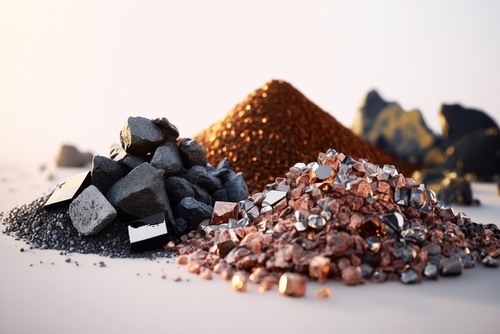
    The United States has struck a preliminary agreement with Kenya involving the massive Mrima Hill rare earth and niobium deposit, estimated to be worth roughly $62.4 billion. The press is portraying this as a victory for Washington over Beijing, but that interpretation misses the larger picture. What we are witnessing is the next phase of the global resource war. As sovereign debt crises continue to unfold and governments become increasingly desperate to secure strategic assets, critical minerals are rapidly becoming the new oil.

    Kenya has reportedly insisted that these minerals be processed domestically rather than exported as raw materials. President William Ruto openly stated that Kenya and the United States agreed that the minerals would be processed inside Kenya. This is a major shift. African nations are increasingly demanding that value creation remain within their borders instead of allowing foreign powers to capture all the profits.

    What is particularly interesting is that this agreement comes as China remains deeply entrenched throughout Kenya and East Africa. Earlier this year, Kenya finalized a major trade agreement with China, granting duty-free access for most Kenyan exports. China continues to finance infrastructure projects, railways, highways, and industrial investments throughout the region. The media wants to frame this as America defeating China, but Kenya appears to be doing what every sovereign nation should do, playing both sides in pursuit of its own interests.

    The reality is that neither Washington nor Beijing is acting out of charity. Rare earths, niobium, lithium, graphite, copper, and nickel are essential for military systems, semiconductors, batteries, electric vehicles, telecommunications, artificial intelligence, and advanced manufacturing. The entire green energy agenda depends upon these materials. Every major power understands that whoever controls the supply chains controls the future. That is why competition for Africa’s mineral wealth is intensifying.


    Source link

    Share. Facebook Twitter Pinterest LinkedIn Tumblr Email

    Related Posts

    Japan: The First Domino In The Sovereign Debt Crisis?

    June 24, 2026

    The Death Of Homeownership For The Next Generation

    June 24, 2026

    Market Talk – June 23, 2026

    June 23, 2026
    Top News

    This week in business: A housing plateau collides with an AI reality check

    By Staff WriterNovember 22, 2025

    This week, politics, memes, and protest movements kept colliding with the economy, turning everything from…

    The Impact of Marijuana as More States Look to Legalize

    August 19, 2025

    The Real Reason Russia Would Invade Europe

    May 31, 2026

    7 Essential Components of a Free Employee Handbook Template

    May 31, 2026
    Top Trending

    The personal brand trap: Why humans shouldn’t think of themselves as brands

    By Staff WriterJune 24, 2026

    When I was a wee little boy growing up, I wanted to…

    Can we trust scientific images in the era of AI?

    By Staff WriterJune 24, 2026

    A photograph of Earth glowing in deep space, the moon’s cratered horizon…

    Why the founder of David protein bars says controversy can be good for business

    By Staff WriterJune 24, 2026

    David protein bars went from startup to one of the hottest consumer…

    Categories
    • Business
    • Economy
    • Headline News
    • Top News
    • US Politics
    • World Politics
    About us

    The Populist Bulletin serves as a beacon for the populist movement, which champions the interests of ordinary citizens over the agendas of the powerful and entrenched elitists. Rooted in the belief that the voices of everyday workers, families, and communities are often drowned out by powerful people and institutions, it delivers straightforward, unfiltered, compelling, relatable stories that resonate with the values of the American public.

    The Populist Bulletin was founded with a fervent commitment to inform, inspire, empower and spark meaningful conversations about the economy, business, politics, inequality, government accountability and overreach, globalization, and the preservation of American cultural heritage.

    The site offers a dynamic mix of investigative journalism, opinion editorials, and viral content that amplify populist sentiments and deliver stories that echo the concerns of everyday Americans while boldly challenging mainstream narratives that serve the privileged few.

    Top Picks

    The personal brand trap: Why humans shouldn’t think of themselves as brands

    June 24, 2026

    Can we trust scientific images in the era of AI?

    June 24, 2026

    Why the founder of David protein bars says controversy can be good for business

    June 24, 2026
    Categories
    • Business
    • Economy
    • Headline News
    • Top News
    • US Politics
    • World Politics
    Copyright © 2025 Populist Bulletin. All Rights Reserved.

    Type above and press Enter to search. Press Esc to cancel.