
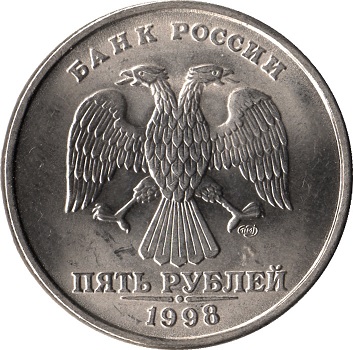
A bank does not actually have everyone’s money sitting in a vault waiting to be returned. The entire system functions because everyone assumes they will not demand their money at the same time. Once that confidence begins to crack, the numbers on a balance sheet become secondary because people want CASH.
That is what we must now watch in Russia. Russians have been pulling billions out of the banking system, with demand for physical cash accelerating dramatically this summer. According to Russian Central Bank data cited in the press, nearly $3.4 billion was withdrawn during just the first two weeks of August after approximately $7.3 billion in July and more than $4.5 billion in June. The Central Bank itself reported that cash in circulation increased by roughly 700 billion rubles during July, compared with about 500 billion in June.
This does not mean the Russian banking system is collapsing tomorrow. Nevertheless, something much more important is taking place beneath the surface. Russians are becoming nervous about leaving their money inside the financial system. Rumors have circulated that the government could eventually freeze or commandeer private deposits to help finance the war, and once people begin questioning whether they will retain unrestricted access to their own savings, government assurances become increasingly meaningless. Fear of possible seizure has become one factor driving the movement into cash, alongside drone attacks, economic uncertainty, and disruptions to electronic payments.
This is always the danger with capital controls. Russia has already demonstrated that it will restrict access to money when the state believes national interests require it. Foreign-currency withdrawals remain restricted, and accounts belonging to various foreigners from so-called “unfriendly” nations have faced controls since the war began. Putin recently relaxed some restrictions affecting foreign depositors.
People forget that money is ultimately a question of confidence in government. You can raise interest rates to 20%, offer attractive deposits, and tell everyone that the banking system is perfectly safe, but none of that matters if people begin fearing that the state itself may change the rules. The greatest threat to a banking system is not necessarily bad loans. It is the realization among depositors that their money exists inside a political system whose rules can change overnight.

Russia is also confronting a growing liquidity problem inside its banking sector. The structural liquidity deficit reportedly exceeded 2.7 trillion rubles by August 13, the highest level since the crisis surrounding the invasion in March 2022. The Russian Central Bank argues that this particular measure should not be confused with the availability of deposits or credit and says the deficit remains manageable. That distinction is valid, but the fact that liquidity conditions are attracting attention at precisely the same moment people are increasing their demand for cash should not simply be dismissed.
The war is becoming increasingly expensive, and this is where the economic pressure begins to matter politically. Defense spending has absorbed enormous resources while high interest rates have squeezed the civilian economy. Russian businesses have also reportedly made hundreds of billions of rubles in so-called voluntary contributions to the federal budget. Whenever governments use the word “voluntary” when asking businesses for money during a war, everyone understands what that really means.
Whenever government becomes desperate for revenue. They begin with taxes. Then come special assessments, forced loans, restrictions on capital, controls over foreign exchange, and eventually increasingly creative definitions of what property actually belongs to the individual. Governments rarely wake up one morning and announce that private wealth no longer exists. They change the rules one piece at a time because the fiscal demands of the state continually expand.
This is why the rumors concerning Russian deposits are potentially more damaging than the actual withdrawals themselves. There does not have to be an official plan to confiscate deposits for the rumor to affect behavior. If enough people believe there is even a possibility that their savings could become trapped, converting a portion into cash becomes perfectly rational. Then your neighbor sees you withdrawing money and begins wondering what you know that he does not.
The Russians have been through this before. They remember the collapse of the Soviet Union, the destruction of savings through inflation, the 1998 financial crisis, repeated currency devaluations, and the banking panic surrounding the invasion in 2022. Western analysts often look at Russia through spreadsheets and completely ignore that historical memory. Russians understand from experience that governments and currencies can change far faster than politicians promise.
There is also a geopolitical consequence that the Europeans should think very carefully about. Europe froze hundreds of billions in Russian sovereign assets and openly debated using those assets to finance Ukraine. Whatever moral justification Brussels offers, every government in the world watched what happened. Russia responded with its own restrictions and seizures involving Western assets. The result is that both sides have demonstrated that property rights can become conditional when geopolitical conflict becomes severe.
Capital will always seek safety, and safety does not simply mean the highest interest rate. It means confidence that you can retrieve your money when you want it. This is precisely why capital controls always backfire over the long term. The moment government tells people they cannot move their money, it teaches everyone else to move theirs before the same restriction reaches them.
We should therefore watch Russia carefully through September. This is not merely about whether a few hundred billion rubles leave bank accounts. Russia is heading toward its September elections while the economic burden of the war is becoming increasingly visible domestically. The real question is whether these withdrawals stabilize once the immediate demand for cash subsides or whether Russians continue pulling money from the banking system because confidence itself has changed.