
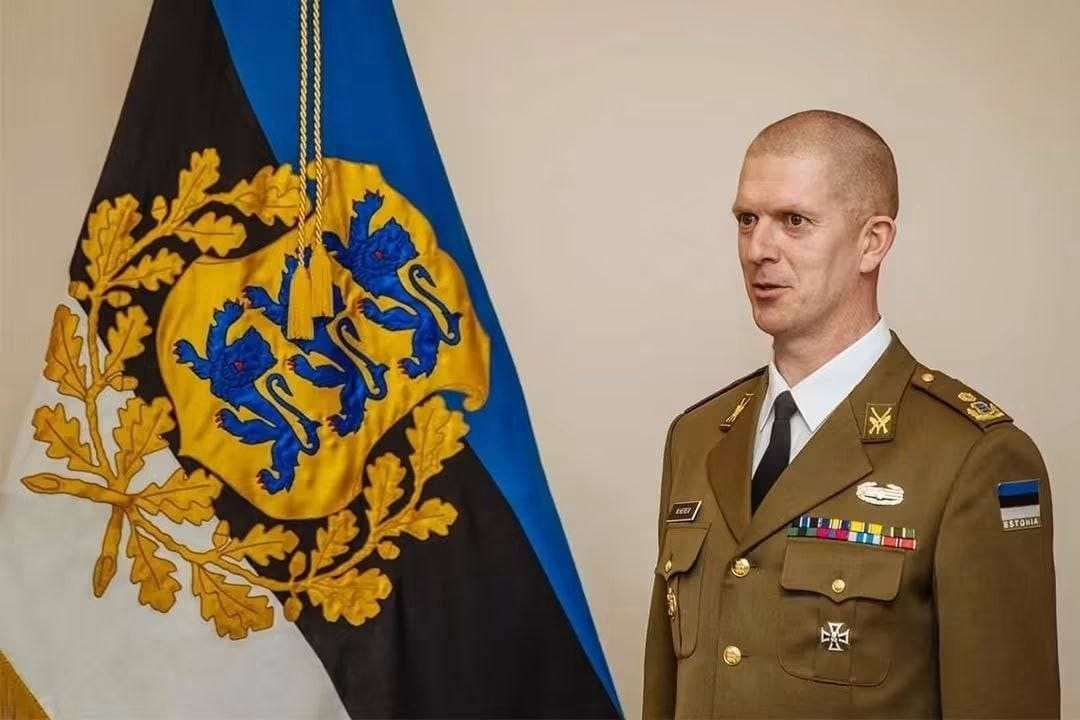
Estonian Defense Minister Martin Herem said Estonia is capable of fighting Russia on its own and warned that any Russian forces crossing the border would be met with destruction.
“We will destroy Russian infrastructure,” Herem said, adding that Estonia would strike Russian forces and infrastructure across the border if necessary, naming Ivangorod and Pechory as possible targets.
He also said Russia should break up into numerous independent states, while warning that any attempt to attack Estonia from a distance would be “blown to smithereens.”

The is the sheer ethnic hatred that is taking us into World War III. As I have said, they forgave Germany for Hitler, but the refuse to forgive Russia for Stalin. Personally, I have had enough. It is absolutely IMPOSSIBLE to talk to these morons for no matter what I say, they are determined to have war. If Russia said the USA has no right to be this big and should be broken up, I think Americans would take offense. But is OK for these people to display such ethnic hatred demonstrating they they have not learned anything from two world wars to date. Perhaps as they say, it will take the third time to be the charm.
Kaja Kallas (born 1977) is an Estonian politician and diplomat pretend diplomat who is just as bloodthirsty is now the Vice-President of the European Commission since 2024. I spoke with a Russian translator I met in Tokyo 30 years ago who is now in Moscow. The question I was asked: “Why do they hate us so much?”
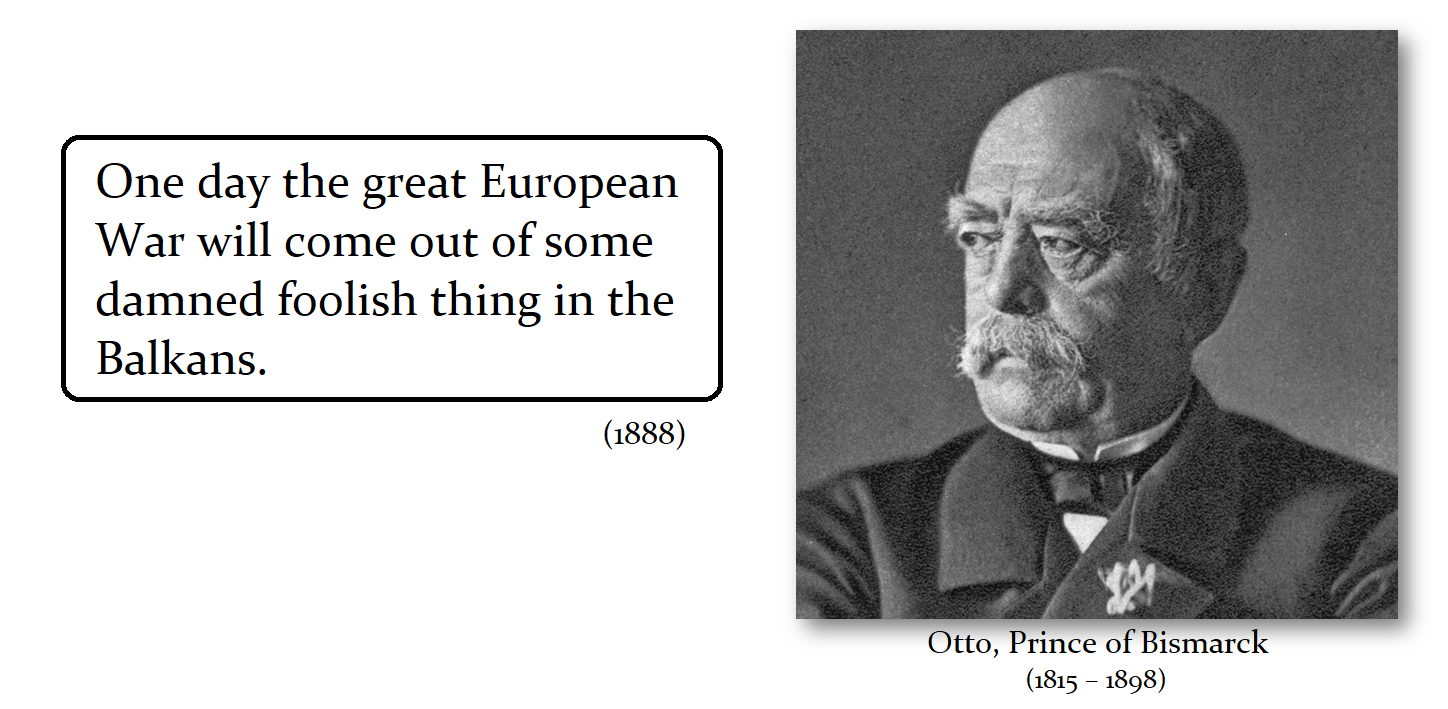
Bismarck was correct. He saw this ethnic hatred and that led to World War I when a Serb assassinated the Arch Duke in 1914. This is like Iran vs Israel. It is just raw hatred that has no solution. This hatred of Russia is no different.
These statements reflect the idea that a son might be punished for his father’s sins, a major moral, legal, and religious issue since ancient times. It appears in some of the oldest surviving legal and literary texts, and it has been debated continuously in law, theology, and philosophy.
As a student of ancient law and history, in the Code of Hammurabi (18th century BC), most penalties targeted the offender, but some provisions could affect family members. For example, if a builder’s faulty work caused the death of a homeowner’s son, the builder’s own son could be put to death. This was a clear case of collective or substitute punishment.
Mesopotamian wisdom literature and proverbs sometimes warn that the gods may visit a father’s guilt on later generations, though other texts insist that the gods judge each person individually.
In the Hebrew Bible, we find this is one of the most famous arenas of the debate. Several texts say God “visits the iniquity of the fathers on the children to the third and fourth generation” (Exodus 20:5; Deuteronomy 5:9).
But other biblical texts push back strongly: Deuteronomy 24:16 says, “Fathers shall not be put to death for children, nor children be put to death for fathers; each shall be put to death for his own sin.”
The prophet Ezekiel devotes an entire chapter (Ezekiel 18) to rejecting the proverb “The fathers have eaten sour grapes, and the children’s teeth are set on edge.” Ezekiel insists that the soul that sins shall die, and that a righteous son will not bear the father’s guilt.
So, the Hebrew Bible itself preserves an internal debate, with older collective ideas being challenged by a newer emphasis on individual responsibility.
Turning to the Greeks and Romans, we see that Greek tragedy is full of inherited guilt. In Aeschylus’s Oresteia, the House of Atreus suffers generation after generation for ancestral crimes. Oedipus’s children in Sophocles’ Theban plays are caught in the consequences of their father’s actions.
Roman law generally moved toward individual liability, but religious ideas of family pollution (piaculum) and ancestral curses persisted, especially in early Roman religion.
In Christianity, the doctrine of Original Sin raised the question of inherited guilt from Adam, though theologians like Augustine distinguished inherited sinfulness from personal guilt. Ezekiel’s emphasis on individual responsibility remained influential.
In Islamic thought, the Qur’an states that “no bearer of burdens shall bear the burden of another” (6:164; 17:15; 35:18; 39:7), strongly rejecting vicarious punishment.
In medieval and early modern Europe, criminal law sometimes still punished families for a member’s sins. For example, corruption of blood, attainder, and executing relatives in cases of treason or regicide. Debates over these practices helped drive the modern legal principle of individual criminal responsibility.

In the 20th century, international law condemned collective punishment of families, especially under the Geneva Conventions and human rights instruments. Kallas obviously rejects this idea. Her hatred is justified as the apple does not fall far from the tree. Kallas is consumed with hatred making her unqualified for any political office.
Why does the issue persist? The tension is between two powerful institutional foundations. First, families, clans, and nations are interconnected; a crime may damage or obligate the group, and consequences naturally spill over to descendants.
Secondly, it is unfair to punish someone for an act they did not choose or commit.
Ancient societies often leaned toward the first; modern law and ethics generally lean toward the second. But the debate has never fully disappeared. This punishing Russia for the sins of Stalin as if all Russians are still communists constantly resurfaces today. We find it in discussions of inherited privilege, historical injustice, reparations, and family trauma.
So yes: punishing the son for the sins of the father is not a modern dilemma. It is one of the oldest recorded moral problems, and many ancient texts already argued about it. I fear we will never purge this ethnic hatred that seems to be inherited from one generation to the next.