
Close Menu
    Facebook X (Twitter) Instagram
    TRENDING :
    • AI Is Getting Cheaper. Here’s the New Competitive Advantage.
    • California Voters Reject The Billionaire Tax
    • How to Make Money on Social Media Without a Huge Following
    • 28-Year-Old’s Side Hustle Hit $125K in Year 1: More Than Matcha
    • How to Speak Honestly at Work Without Derailing Your Career
    • Silicon Valley Doesn’t Have a Monopoly on Startup Wisdom
    • The EU Will Block Peace Between Russia & Ukraine
    • Laid-Off Marketer’s Apartment-Made Pizzas Sell Out in 30 Seconds
    Compatriot Chronicle
    • Home
    • US Politics
    • World Politics
    • Economy
    • Business
    • Headline News
    Compatriot Chronicle
    Home»Economy»Americans Are Spending More Because Everything Costs More
    Economy

    Americans Are Spending More Because Everything Costs More

    October 5, 20263 Mins Read
    Share Facebook Twitter Pinterest LinkedIn Tumblr Telegram Email Copy Link
    Follow Us
    Google News Flipboard
    Share
    Facebook Twitter LinkedIn Pinterest Email


    Economists keep pointing to consumer spending as proof that the American economy remains strong. Americans spent 0.9% more in August, and naturally this is being celebrated as the resilient American consumer. But real disposable income did not increase AT ALL, while the personal savings rate fell to just 4.1%. Americans are spending more while their inflation-adjusted income is going nowhere and savings are being depleted to maintain their standard of living.

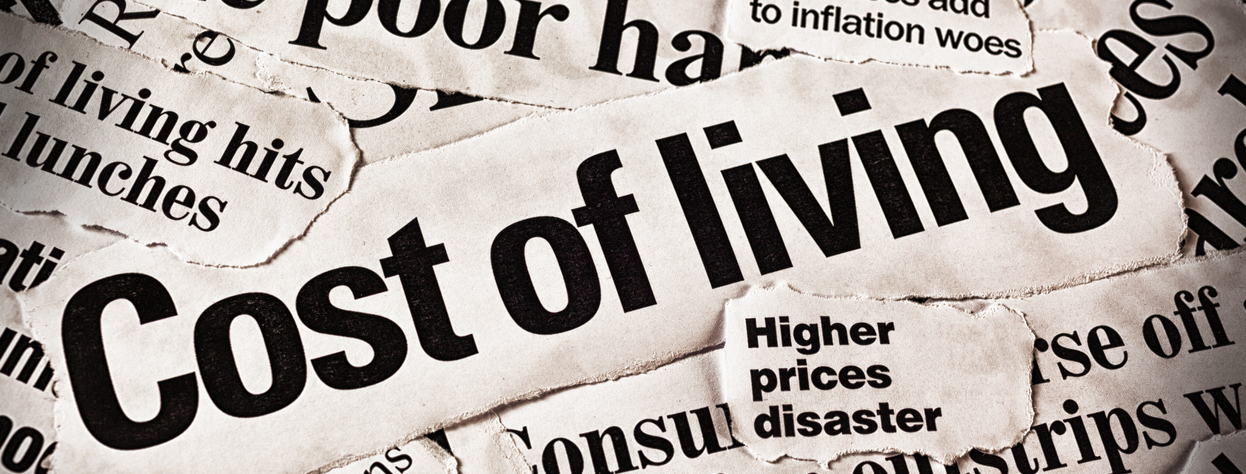
    The cost-of-living crisis is showing up in the numbers. Consumer spending can rise during inflation simply because everything costs more. If your grocery bill rises from $150 to $200, you increased consumer spending by 33%, but you did not become wealthier or eat 33% more food. You simply handed over more dollars for the same necessities.

    Personal consumption expenditures increased by $190.8 billion in August while personal income increased only $66.6 billion. Real consumer spending rose 0.6%, but real disposable income was flat. You can maintain that imbalance temporarily by reducing savings or borrowing, but you cannot maintain it forever.

    This is what Washington never understands about inflation. They tell people inflation has fallen because the RATE of increase is lower than it was at the peak. That does not mean prices went back down. Consumer prices are roughly 30% higher than at the end of 2019. Something that cost $100 then costs roughly $130 today. Lower inflation merely means prices are rising more slowly from an already elevated level.

    This is why consumer confidence can collapse while spending remains strong. The Conference Board’s Consumer Confidence Index plunged to 81.9 in September, its lowest reading since 2014. The University of Michigan’s sentiment index fell to 48.1 and is now 15% below January. People are continuing to spend because they must continue living, but they are increasingly worried about what comes next.

    The University of Michigan reports that consumers’ expectations for inflation over the next year climbed to 4.6% in September, up from 3.4% in February. Consumers’ assessments of both their current and expected personal finances also deteriorated. The paycheck may still be coming in, but it simply does not stretch as far as it once did. Americans feel the conditions of the economy daily.

    Even if inflation fell to 2% tomorrow, today’s elevated price level would remain. Prices would simply continue increasing from that higher base. This is how inflation quietly destroys the middle class. Savings decline, debt rises, homeownership becomes harder, young people delay families, and retirees discover that their savings purchase far less than expected.

    The American consumer has kept this economy moving, but there is a limit to how long households can spend faster than their real incomes grow. You cannot raid savings forever, increase credit-card balances forever, or finance your standard of living indefinitely.

    Strong consumer spending therefore does not necessarily mean the consumer is strong. Sometimes it means the consumer is paying substantially more simply to remain in the same place. Americans are still spending, but real disposable income has stalled, savings are falling, confidence has collapsed, and prices remain roughly 30% above where they stood before the pandemic-era inflation surge. Washington can call that resilience if it wants, but ordinary people know the difference between spending more because they are becoming wealthier and spending more because life itself has become more expensive.


    Source link

    Share. Facebook Twitter Pinterest LinkedIn Tumblr Email

    Related Posts

    California Voters Reject The Billionaire Tax

    November 12, 2026

    The EU Will Block Peace Between Russia & Ukraine

    November 12, 2026

    Palantir’s Political Repositioning | Armstrong Economics

    November 11, 2026
    Top News

    Why grow the women’s economy through acquisitions?

    By Staff WriterFebruary 3, 2026

    For decades, women business owners have faced a persistent challenge: access to capital. Despite owning…

    Trump Invades Venezuela | Armstrong Economics

    January 3, 2026

    An Xbox VP who spent 37 years at Microsoft was among those laid off yesterday

    July 7, 2026

    5 Fun Workplace Activities to Boost Team Morale

    January 25, 2026
    Top Trending

    AI Is Getting Cheaper. Here’s the New Competitive Advantage.

    By Staff WriterNovember 12, 2026

    Opinions expressed by Entrepreneur contributors are their own. Key Takeaways As leading…

    California Voters Reject The Billionaire Tax

    By Staff WriterNovember 12, 2026

    California voters have rejected the proposed 5% billionaire wealth tax, and perhaps…

    How to Make Money on Social Media Without a Huge Following

    By Staff WriterNovember 12, 2026

    Key Takeaways Follower count is a vanity metric. Trust and engagement are…

    Categories
    • Business
    • Economy
    • Headline News
    • Top News
    • US Politics
    • World Politics
    About us

    The Populist Bulletin serves as a beacon for the populist movement, which champions the interests of ordinary citizens over the agendas of the powerful and entrenched elitists. Rooted in the belief that the voices of everyday workers, families, and communities are often drowned out by powerful people and institutions, it delivers straightforward, unfiltered, compelling, relatable stories that resonate with the values of the American public.

    The Populist Bulletin was founded with a fervent commitment to inform, inspire, empower and spark meaningful conversations about the economy, business, politics, inequality, government accountability and overreach, globalization, and the preservation of American cultural heritage.

    The site offers a dynamic mix of investigative journalism, opinion editorials, and viral content that amplify populist sentiments and deliver stories that echo the concerns of everyday Americans while boldly challenging mainstream narratives that serve the privileged few.

    Top Picks

    AI Is Getting Cheaper. Here’s the New Competitive Advantage.

    November 12, 2026

    California Voters Reject The Billionaire Tax

    November 12, 2026

    How to Make Money on Social Media Without a Huge Following

    November 12, 2026
    Categories
    • Business
    • Economy
    • Headline News
    • Top News
    • US Politics
    • World Politics
    Copyright © 2025 Populist Bulletin. All Rights Reserved.

    Type above and press Enter to search. Press Esc to cancel.