Close Menu
    Facebook X (Twitter) Instagram
    TRENDING :
    • How to Make Money on Social Media Without a Huge Following
    • 28-Year-Old’s Side Hustle Hit $125K in Year 1: More Than Matcha
    • How to Speak Honestly at Work Without Derailing Your Career
    • Silicon Valley Doesn’t Have a Monopoly on Startup Wisdom
    • The EU Will Block Peace Between Russia & Ukraine
    • Laid-Off Marketer’s Apartment-Made Pizzas Sell Out in 30 Seconds
    • 4 Questions That Separate Real Founders From Performers
    • $14 Billion Company Is Giving 7,000 Employees a Day Off to Game
    Compatriot Chronicle
    • Home
    • US Politics
    • World Politics
    • Economy
    • Business
    • Headline News
    Compatriot Chronicle
    Home»Economy»Europe Is Regulating Its Auto Industry Into Retreat
    Economy

    Europe Is Regulating Its Auto Industry Into Retreat

    October 14, 20263 Mins Read
    Share Facebook Twitter Pinterest LinkedIn Tumblr Telegram Email Copy Link
    Follow Us
    Google News Flipboard
    Share
    Facebook Twitter LinkedIn Pinterest Email


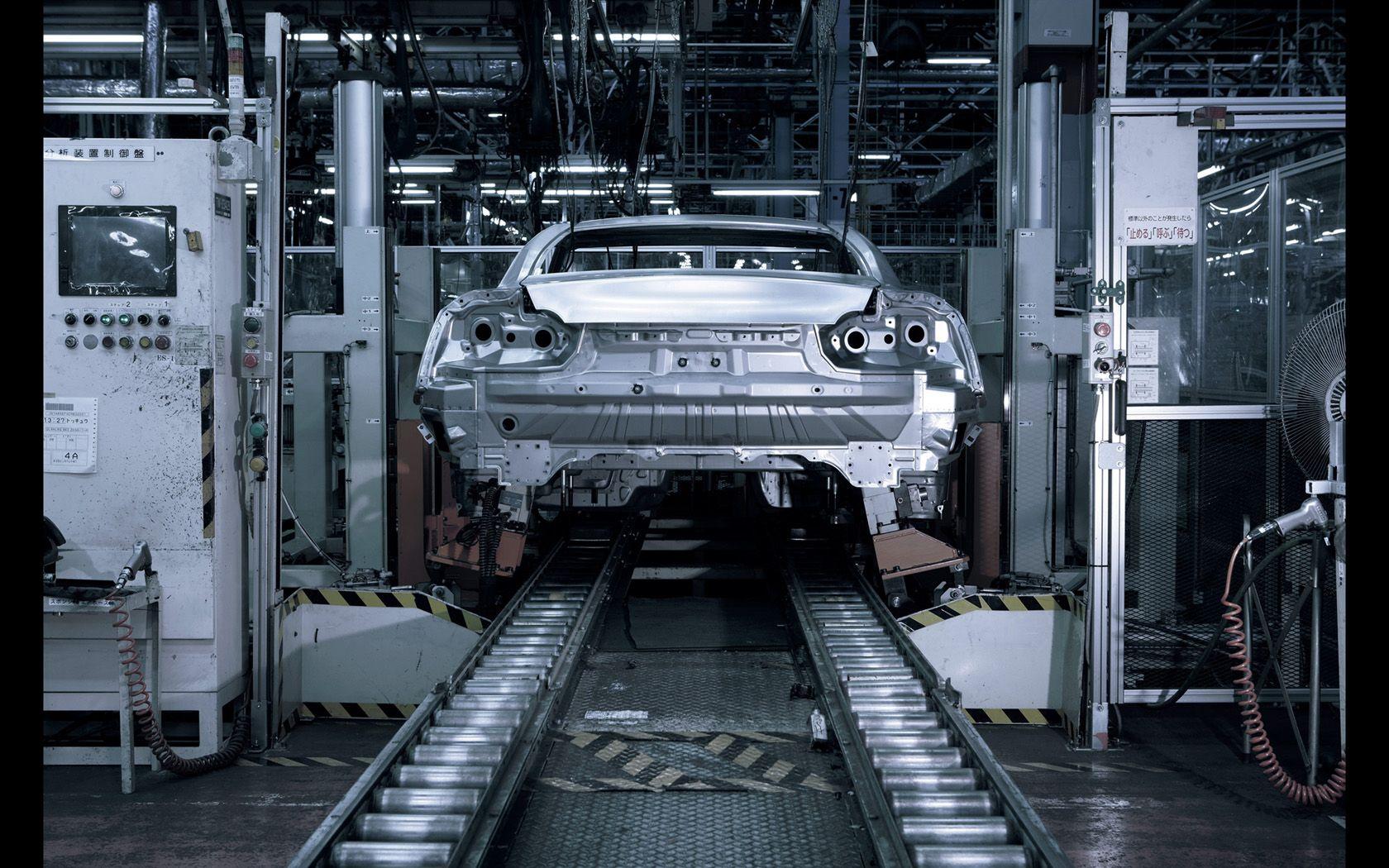
    Brussels apparently believes it can dictate what an industry produces without accepting responsibility when the economics cease to work. Renault is now warning that European production could fall by approximately 300,000 vehicles unless there is greater flexibility around the 2030 emissions requirements. Volkswagen describes the mass market business as under “enormous pressure.” BMW’s global deliveries fell 6.4% in the third quarter, with China down by a quarter. Competition is fierce, customers have choices, and these companies cannot finance a transformation indefinitely by producing vehicles at inadequate margins.

    Look at how the target changed. The agreement reached in 2018 called for a 37.5% reduction in new-car CO₂ emissions by 2030 relative to the 2021 target. The subsequently adopted requirement became 55%, an increase of 17.5 percentage points. These are fleet average standards for new cars, but meeting them still depends on what customers actually purchase. A regulation can compel a manufacturer to change its product mix. It cannot compel a family to have the money, charging access, or confidence needed to buy the car.

    Volkswagen, Stellantis, and Renault account for more than 60% of European car production. Their mass market operations rely on high volumes and thin margins. That means even a relatively small deterioration in costs or sales can produce a substantial financial problem. The consequences then move through suppliers, machinery makers, transport firms, and communities built around manufacturing. Nobody should imagine that removing 300,000 vehicles from production would affect only Renault’s accounts.

    Europe’s own Council describes the wider automotive industry as supporting 12.7 million jobs and contributing more than 7% of EU GDP. Yet its explanation of the emissions rules promises stronger competitiveness and more jobs in new technologies. Fine. Show the workers where those jobs are, what they pay, and when they become available.

    Now the Commission proposes easing the 2030 van target from 50% to 40% and the 2035 tailpipe-reduction requirement from 100% to 90%, subject to compensating measures. The passenger car target for 2030 remains 55%. These are proposals, but they expose the problem with planning an industrial transformation around political deadlines. Companies commit capital, develop products, and reorganize factories while officials argue over which requirements should survive. Who pays when the assumptions change? The business, its employees, and eventually the taxpayer asked to support another rescue.

    This obsession with the 2030 target is sheer stupidity when Europe is already struggling with expensive energy, mounting debt, war, and competition from manufacturers who can produce cars for less. Where do they imagine the money for this transformation will come from? They are demanding enormous investment while making it harder for the companies expected to provide it to earn a profit. Keep squeezing those margins and production moves, suppliers close, and the industrial skills accumulated over generations disappear with the jobs. Brussels can congratulate itself for reducing emissions within Europe while Europeans buy vehicles manufactured elsewhere. What has that accomplished for the worker whose factory is gone? A deadline means nothing if reaching it helps destroy the industry that supports your economy. Yet they cling to 2030 as though preserving a political promise matters more than preserving the livelihoods of the people paying for it.


    Source link

    Share. Facebook Twitter Pinterest LinkedIn Tumblr Email

    Related Posts

    The EU Will Block Peace Between Russia & Ukraine

    November 12, 2026

    Palantir’s Political Repositioning | Armstrong Economics

    November 11, 2026

    October Inflation | Armstrong Economics

    November 11, 2026
    Top News

    Inflation And Jobs – Data To Be Reviewed By The Fed

    By Staff WriterDecember 8, 2025

    Inflation in the US is on the rise, as indicated by the Personal Consumption Expenditures…

    The Rise Of AI In Payments Is Not About Convenience

    April 16, 2026

    How PepsiCo designed its new protein Doritos to look and taste like the real thing

    March 23, 2026

    When Is Tax Season Over?

    June 22, 2026
    Top Trending

    How to Make Money on Social Media Without a Huge Following

    By Staff WriterNovember 12, 2026

    Key Takeaways Follower count is a vanity metric. Trust and engagement are…

    28-Year-Old’s Side Hustle Hit $125K in Year 1: More Than Matcha

    By Staff WriterNovember 12, 2026

    Key Takeaways Goldwasser leveraged her marketing and consulting experience to build More…

    How to Speak Honestly at Work Without Derailing Your Career

    By Staff WriterNovember 12, 2026

    Key Takeaways There’s such a thing as being too honest in the…

    Categories
    • Business
    • Economy
    • Headline News
    • Top News
    • US Politics
    • World Politics
    About us

    The Populist Bulletin serves as a beacon for the populist movement, which champions the interests of ordinary citizens over the agendas of the powerful and entrenched elitists. Rooted in the belief that the voices of everyday workers, families, and communities are often drowned out by powerful people and institutions, it delivers straightforward, unfiltered, compelling, relatable stories that resonate with the values of the American public.

    The Populist Bulletin was founded with a fervent commitment to inform, inspire, empower and spark meaningful conversations about the economy, business, politics, inequality, government accountability and overreach, globalization, and the preservation of American cultural heritage.

    The site offers a dynamic mix of investigative journalism, opinion editorials, and viral content that amplify populist sentiments and deliver stories that echo the concerns of everyday Americans while boldly challenging mainstream narratives that serve the privileged few.

    Top Picks

    How to Make Money on Social Media Without a Huge Following

    November 12, 2026

    28-Year-Old’s Side Hustle Hit $125K in Year 1: More Than Matcha

    November 12, 2026

    How to Speak Honestly at Work Without Derailing Your Career

    November 12, 2026
    Categories
    • Business
    • Economy
    • Headline News
    • Top News
    • US Politics
    • World Politics
    Copyright © 2025 Populist Bulletin. All Rights Reserved.

    Type above and press Enter to search. Press Esc to cancel.