
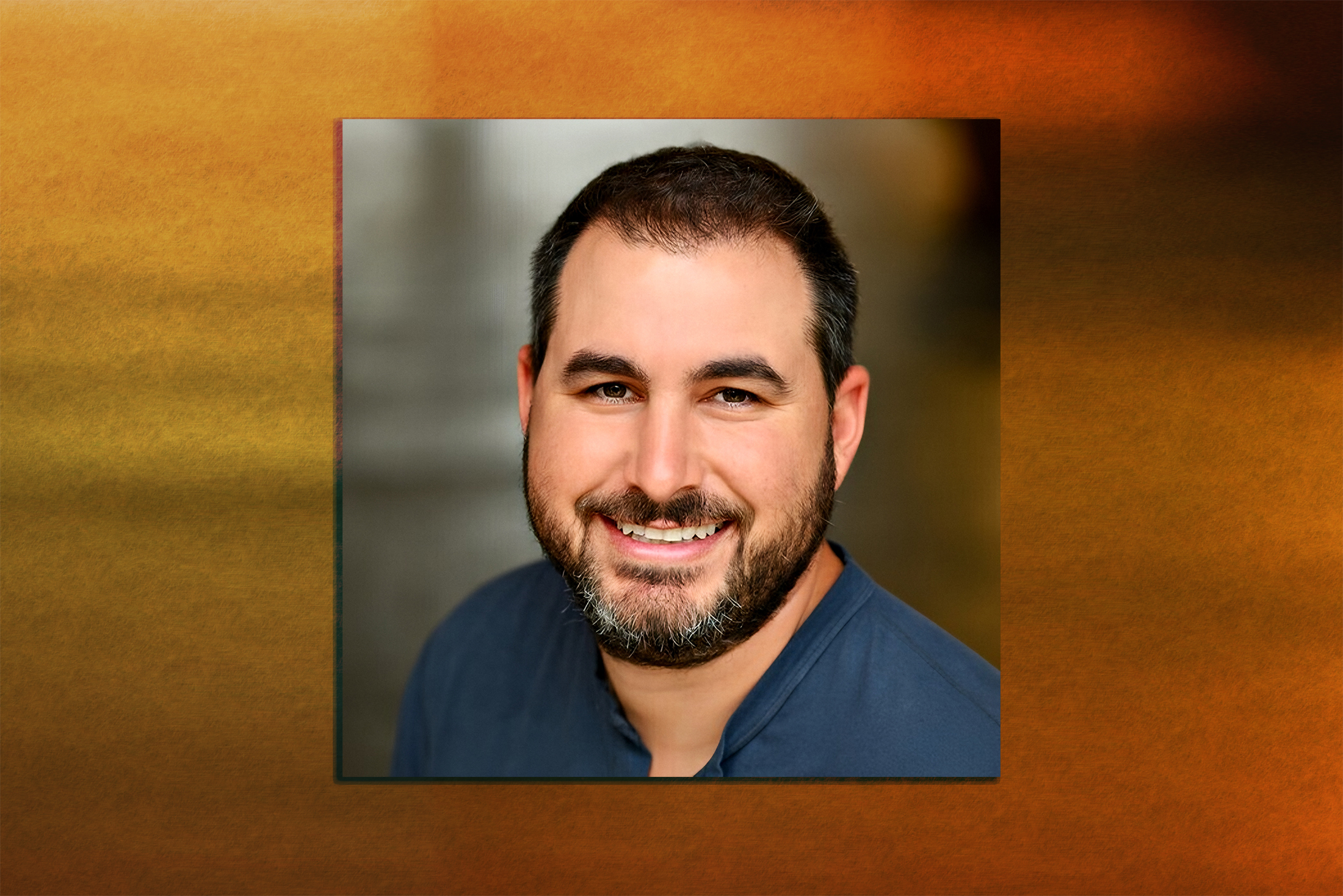
At a certain point in our lives, we’ve been to more games and concerts than we can remember, which is exactly the problem Cole Rubin wants to solve. His company, FanFeed, is “a place to see your live-event history, view content, access tickets, see what events your friends are attending and engage more deeply with the things you love.”
And from the ticket-seller side, he says the AI-powered platform “lets your favorite team, artist or university know as much about your fandom as you know about them.” So fans get a living history of their fandom, while teams and artists get first-party data to “deliver more personalized experiences and offers.”
We asked Rubin, a self-described non-techy, how he built the platform and what he’d advise entrepreneurs entering a space larger companies have long dominated.
Do you remember a distinct moment that sparked the idea?
My friends and I had always talked about how cool it would be to know our complete history as fans. As a Ravens fan, I wanted to know things like: What’s the team’s record at games I’ve attended? Which player have I seen score the most touchdowns? How many games have I actually been to?
The real “aha” moment came when I partnered with Jack Phifer, my co-founder. Jack looked at the idea from a technical perspective and realized we could build proprietary technology that could surface those insights automatically.
That changed everything. If you ask consumers to manually enter years of events, most people aren’t going to do it. But if you can press a button and quickly surface years of memories and insights, suddenly the idea becomes frictionless. Jack helped turn an idea I had been thinking about into something we could actually build at scale.
You’ve built several tech companies without considering yourself a tech person. How have you used that gap in “know-how” as an advantage?
It starts with being self-aware about your strengths and, more importantly, your weaknesses. I know the product vision and where I want the business to go, but I’m not the person who should be engineering it. My job is to surround myself with incredibly smart and talented people, clearly articulate the vision, align everyone around what we’re trying to accomplish and then give them the ownership to execute.
That applies beyond technology, too. You have to understand where your time is best spent and where someone else can do the job better than you can. If you build the right team, remain open to feedback and resist the urge to micromanage, you can accomplish a lot. Problems start when you think you need to be the smartest person in every part of the business.
You paid your way through school selling tickets. What did that teach you that still guides you today?
My first business was really about building travel packages for fans who wanted to see their teams play on the road. I built it because I was the ideal customer myself. I understood what the consumer wanted because I wanted the same thing.
That consumer-first mindset has stayed with me through every business I’ve built. With a direct-to-consumer company, I ask myself what I would want as an individual customer and what I would be willing to pay for. When I moved into B2B, the question became: If I were the decision-maker at our client company, what would actually make my life easier?
The businesses have changed, but that mindset hasn’t. Put yourself in the customer’s shoes and build around a real problem they need solved.
FanFeed’s investors include StubHub co-founder Colin Evans. How do you find investors who bring more than money?
Colin is one of several great investors we have around FanFeed. We intentionally looked for people with domain expertise across technology, digital marketing, sports, music and college athletics.
But expertise alone isn’t enough. The most important thing is having good people with aligned incentives. No company goes straight up and to the right. There are great moments, and there are inevitably going to be headwinds. You want people around the table with whom you can be transparent and honest during both.
I think about investors similarly to how I think about building a team: surround yourself with people who complement your strengths and can help fill your blind spots.
What do you advise entrepreneurs who fear that their idea will get crushed by the big players in their industry?
I live by the mantra, “Only the paranoid survive,” so I actually think a healthy amount of fear can be useful.
The advantage a startup has is speed. Large companies historically have had layers of decision-making that can make it harder to move quickly. It remains to be seen how much AI changes that dynamic, but smaller companies can still be incredibly agile.
An idea by itself is just an idea. Execution is what turns it into a business. Move quickly, learn quickly and don’t be afraid to fail quickly. Larger companies may eventually move into your space, but there’s real power in being the first mover and relentlessly executing while you have that advantage.
Do you remember a pivot that was transformational to the business?
Finding my co-founder. I had the initial idea, but finding Jack and realizing how complementary our skill sets were was transformational. I understood the problem we wanted to solve and had a vision for the business. Jack had the technical ability to see how we could actually build it.
There are plenty of moments that shape a startup, but finding the right person to build alongside you can change the trajectory of the entire company. For FanFeed, that was the biggest one.
At a certain point in our lives, we’ve been to more games and concerts than we can remember, which is exactly the problem Cole Rubin wants to solve. His company, FanFeed, is “a place to see your live-event history, view content, access tickets, see what events your friends are attending and engage more deeply with the things you love.”
And from the ticket-seller side, he says the AI-powered platform “lets your favorite team, artist or university know as much about your fandom as you know about them.” So fans get a living history of their fandom, while teams and artists get first-party data to “deliver more personalized experiences and offers.”
We asked Rubin, a self-described non-techy, how he built the platform and what he’d advise entrepreneurs entering a space larger companies have long dominated.