Close Menu
    Facebook X (Twitter) Instagram
    TRENDING :
    • What Is a Referral Loyalty Program and How Does It Work?
    • 7 Key Factors to Consider for Vendor Management
    • What a Bad Registered Agent Actually Costs You
    • Top 10 Food Franchises Dominating
    • 5 ways leaders can harness brain chemistry for happier and more productive teams
    • Kevin Warsh Between A Rock & A Hard Place On Inflation
    • What Is Online Reputation Management Marketing and Why It Matters?
    • Essentials of Recurring Revenue: A Definition and Step-by-Step Guide
    Compatriot Chronicle
    • Home
    • US Politics
    • World Politics
    • Economy
    • Business
    • Headline News
    Compatriot Chronicle
    Home»Economy»Copper Hoarding | Armstrong Economics
    Economy

    Copper Hoarding | Armstrong Economics

    December 18, 20252 Mins Read
    Share Facebook Twitter Pinterest LinkedIn Tumblr Telegram Email Copy Link
    Follow Us
    Google News Flipboard
    Share
    Facebook Twitter LinkedIn Pinterest Email


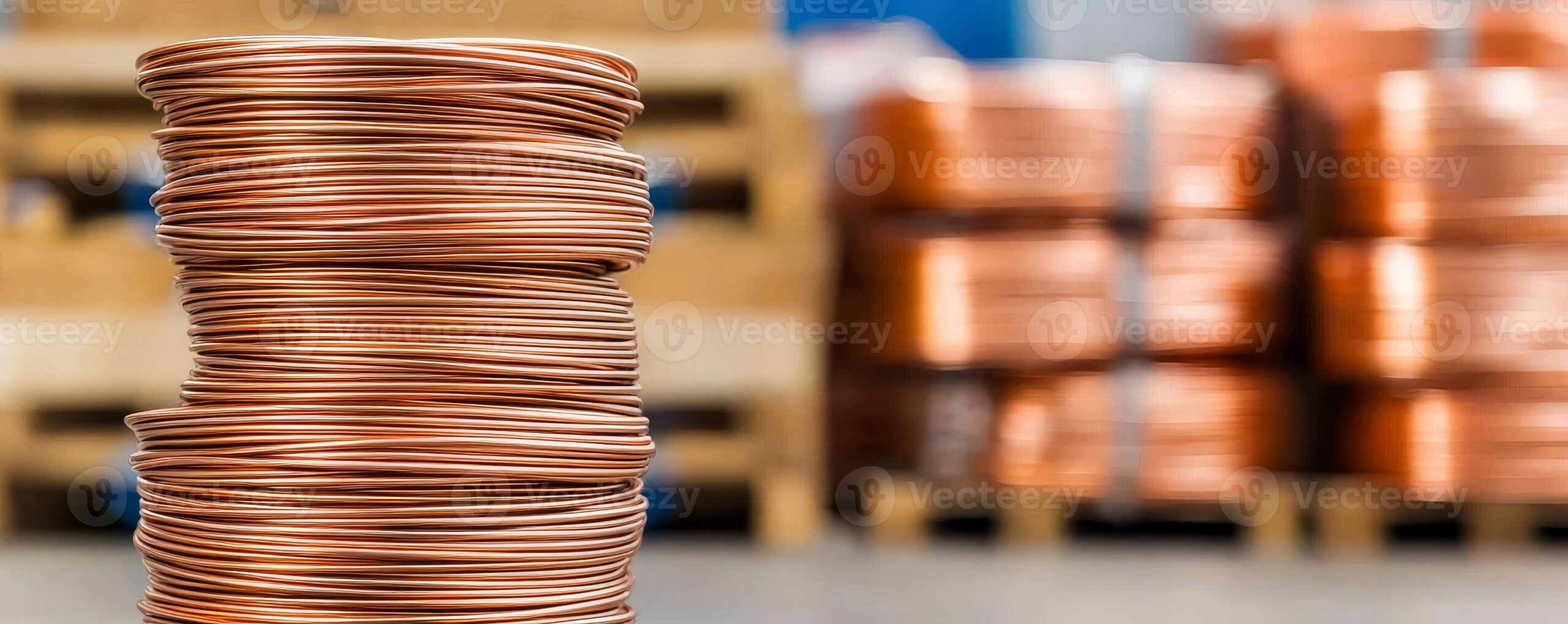
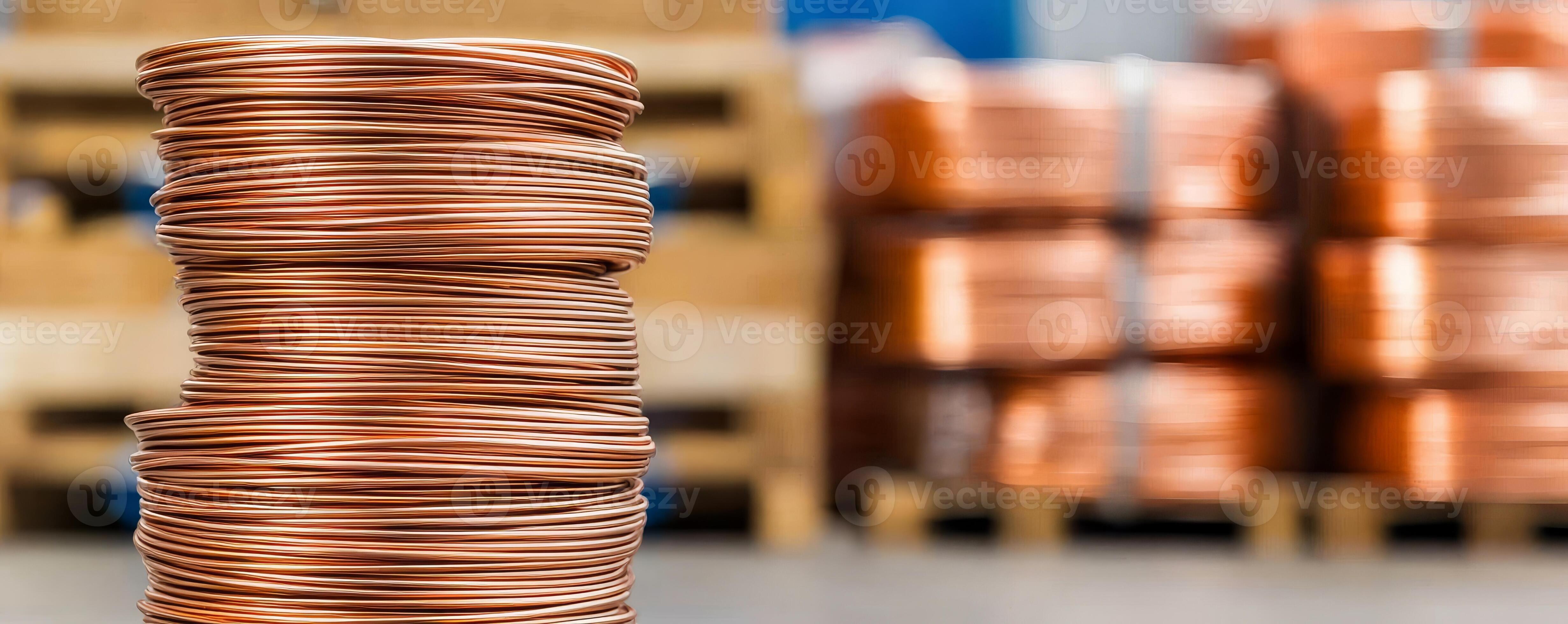
    Copper prices are near record highs with spot prices above $11,000 per ton. Grid expansion projects and data centers are copper-intensive, The supply chain in constrained and investors are anticipating future US tariffs reaching 25%. The press is claiming that these projects are the reason for the recent surge in copper hoarding, but the true driver is fear.

    Commodities do not move simply because of “supply and demand” in the textbook sense. They move because of capital flows and confidence. Copper has always been called “Dr. Copper” because it supposedly has a PhD in economics. People believe the metal has an ability to predict overall global economic health, especially in terms of manufacturing. The old wives tale states that rising copper prices indicate economic recovery and growth since one would assume manufacturing is increasing.

    When people begin hoarding raw materials, it means they no longer trust supply chains, governments, or currencies. This is exactly what happened in the 1970s. Inflation was not caused by “greed” or corporations. Rather, it was caused by government deficits, war spending, and the collapse of confidence in public institutions. The same forces are now aligning again.

    Once politicians declare something “critical,” it ceases to be a free market. Governments are now talking openly about stockpiling copper for green energy, military use, and infrastructure. That alone guarantees shortages, because bureaucrats always buy at the worst possible time and hoard at the peak. Trade wars, sanctions, and geopolitical uncertainty force companies to hold excess inventory to hedge against supply chain constraints.

    From the standpoint of the Economic Confidence Model, this fits precisely with the transition from private confidence to public distrust. Capital always moves to where it feels safest. When confidence in government collapses, money does not stay in bonds or paper promises. It moves into real assets, whether that is gold, land, energy, or copper sitting in a warehouse.


    Source link

    Share. Facebook Twitter Pinterest LinkedIn Tumblr Email

    Related Posts

    Kevin Warsh Between A Rock & A Hard Place On Inflation

    September 6, 2026

    Did Putin Propose Peace With USA?

    September 5, 2026

    Market Talk – September 4, 2026

    September 4, 2026
    Top News

    Powerball Jackpot: Which States Don’t Tax the Lottery?

    By Staff WriterSeptember 6, 2025

    This weekend’s Powerball drawing is one for the file books — the $1.8 billion jackpot…

    Tech and finance layoffs: Oracle, Block, Morgan Stanley, Capital One headline brutal week for job losses

    March 6, 2026

    Stock market ticks up toward records after mixed job market data

    January 9, 2026

    Why 720,000 Workers Stopped Looking for Jobs This Month

    August 3, 2026
    Top Trending

    What Is a Referral Loyalty Program and How Does It Work?

    By Staff WriterSeptember 6, 2026

    A referral loyalty program encourages your current customers to share your brand…

    7 Key Factors to Consider for Vendor Management

    By Staff WriterSeptember 6, 2026

    Vendor management is essential for your business’s success, and you need to…

    What a Bad Registered Agent Actually Costs You

    By Staff WriterSeptember 6, 2026

    Opinions expressed by Entrepreneur contributors are their own. Key Takeaways Missing deadlines…

    Categories
    • Business
    • Economy
    • Headline News
    • Top News
    • US Politics
    • World Politics
    About us

    The Populist Bulletin serves as a beacon for the populist movement, which champions the interests of ordinary citizens over the agendas of the powerful and entrenched elitists. Rooted in the belief that the voices of everyday workers, families, and communities are often drowned out by powerful people and institutions, it delivers straightforward, unfiltered, compelling, relatable stories that resonate with the values of the American public.

    The Populist Bulletin was founded with a fervent commitment to inform, inspire, empower and spark meaningful conversations about the economy, business, politics, inequality, government accountability and overreach, globalization, and the preservation of American cultural heritage.

    The site offers a dynamic mix of investigative journalism, opinion editorials, and viral content that amplify populist sentiments and deliver stories that echo the concerns of everyday Americans while boldly challenging mainstream narratives that serve the privileged few.

    Top Picks

    What Is a Referral Loyalty Program and How Does It Work?

    September 6, 2026

    7 Key Factors to Consider for Vendor Management

    September 6, 2026

    What a Bad Registered Agent Actually Costs You

    September 6, 2026
    Categories
    • Business
    • Economy
    • Headline News
    • Top News
    • US Politics
    • World Politics
    Copyright © 2025 Populist Bulletin. All Rights Reserved.

    Type above and press Enter to search. Press Esc to cancel.