Close Menu
    Facebook X (Twitter) Instagram
    TRENDING :
    • Uber just expanded into hotels, AI, and ‘room service’ and it’s moving fast
    • Social media’s big tobacco moment is just a first step
    • Ghirardelli Chocolate products recalled over Salmonella fears. Avoid this list of 13 beverage mixes
    • Google, TikTok and Meta could be taxed by Australia to fund its newsrooms
    • MacKenzie Scott says we underestimate the impact of small acts of kindness. Science agrees
    • Trump says Iran ‘better get smart soon’ as economies deal with skyrocketing energy prices
    • A key weapon in America’s ‘Golden Dome’ defense shield is taking shape
    • How F1 is revving up its U.S. takeover at the Miami Grand Prix
    Compatriot Chronicle
    • Home
    • US Politics
    • World Politics
    • Economy
    • Business
    • Headline News
    Compatriot Chronicle
    Home»Business»DOGE leader at Treasury is looking to buy thousands of ChatGPT licenses
    Business

    DOGE leader at Treasury is looking to buy thousands of ChatGPT licenses

    December 16, 20253 Mins Read
    Share Facebook Twitter Pinterest LinkedIn Tumblr Telegram Email Copy Link
    Follow Us
    Google News Flipboard
    Share
    Facebook Twitter LinkedIn Pinterest Email

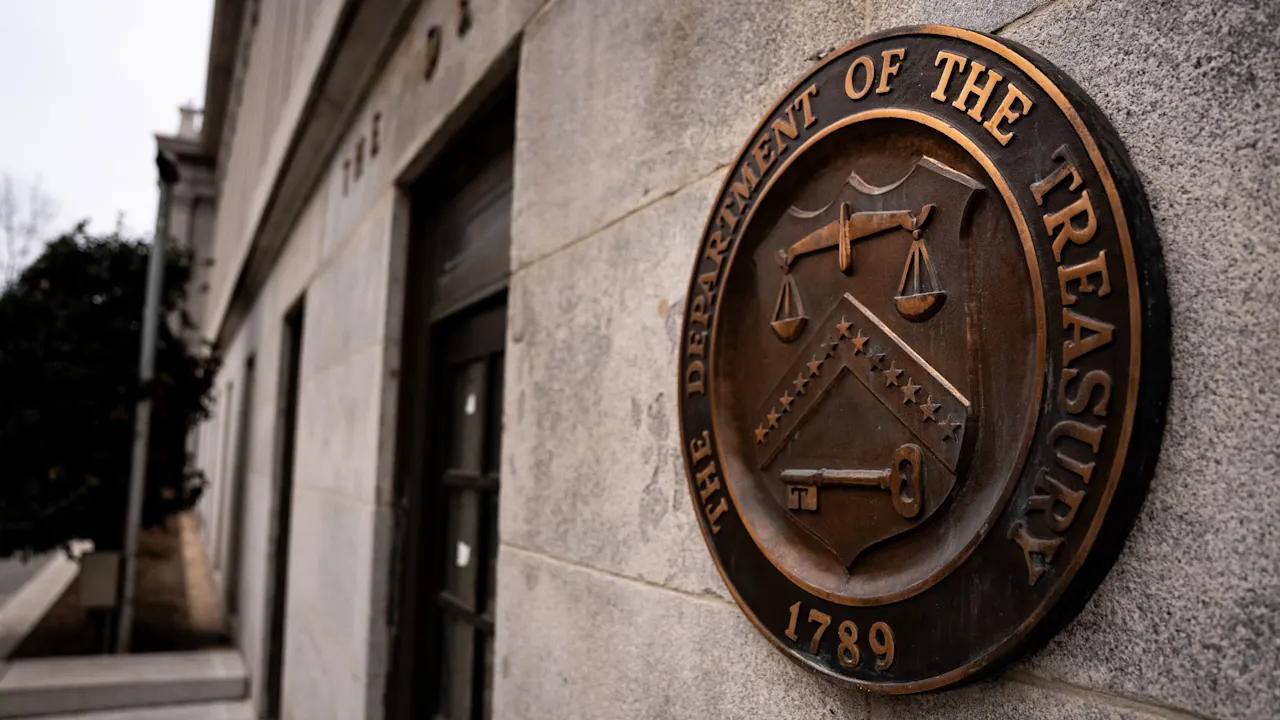
    AI has now arrived at the Treasury Department. 

    Sam Corcos, a former startup leader and Department of Government Efficiency affiliate now serving as chief information officer at the Treasury Department, appears to have approved spending at least $1.5 million on up to 3,000 licenses for ChatGPT, the OpenAI platform, federal spending records show. The agency has obligations to spend $1.5 million on the services, and has already outlaid more than $500,000 for the technology, those records show. 

    Fast Company obtained a user agreement showing that Treasury is allowing employees to use ChatGPT for “authorized” mission purposes. Such purposes include using the technology, in certain circumstances, with what’s known as “controlled unclassified information,” a government designation that’s given to information that isn’t classified, but still requires some safeguarding. The expanded use of the tool comes amid growing pressure on federal agencies to adopt artificial intelligence systems, which advocates say can increase efficiency and cut down on excess bureaucracy. 

    In this case, the rules laid out in the user agreement include strong limits on how AI systems might be used—particularly, for example, with regards to personally identifiable information, market-sensitive economic information, and federal tax data. The rules also forbid Treasury staffers from trying to tamper with or evade an AI chatbot’s security measures without express authorization. Employees aren’t supposed to use the output of an AI system without a human reviewing that work, or obfuscate the role AI played in making a particular product, according to the user agreement. A violation of these rules could lead to someone being fired, the agreement states. 

    One former Treasury official said department staff are probably using the tech on heavy lifting for tasks that would normally take a long time. Tony Arcadi, the official that Sam Corcos replaced, tells Fast Company that there were myriad use cases that could benefit from the technology, including automating administrative work. “Done correctly and with robust controls, LLMs could be a force multiplier for intelligence, operations, finance, enforcement, and public engagement,” he says. The agency had previously invested in a smaller cache of ChatGPT licenses.
    The Treasury Department and OpenAI did not respond to a request for comment. Still, in September, the agency released a compliance plan focused on promoting the use of AI, as well as a strategy spelling out its approach to the technology. 

    Amid the move to speed up the use of AI throughout the government, including the military’s new GenAI.mil tool, there’s still the serious risk of government officials putting too much faith in the far from faultless technology.
    For example, it seems like a recent report from the Department of Health and Human services may have been created using artificial intelligence—and included fake citations. Federal clerks have used ChatGPT and Perplexity and have ended up including misquotes and other errors in documents.  


    Source link

    Share. Facebook Twitter Pinterest LinkedIn Tumblr Email

    Related Posts

    Uber just expanded into hotels, AI, and ‘room service’ and it’s moving fast

    April 29, 2026

    Social media’s big tobacco moment is just a first step

    April 29, 2026

    Ghirardelli Chocolate products recalled over Salmonella fears. Avoid this list of 13 beverage mixes

    April 29, 2026
    Top News

    Workers are too afraid of layoffs to take PTO

    By Staff WriterMarch 11, 2026

    Spring break season is in full swing, and summer vacations will be here before you…

    Top 7 Online HR Software Solutions for Small Business

    January 20, 2026

    Market Talk – September 26, 2025

    September 26, 2025

    Survey Reveals Workers’ Concerns Over AI Accountability and Governance

    October 12, 2025
    Top Trending

    Uber just expanded into hotels, AI, and ‘room service’ and it’s moving fast

    By Staff WriterApril 29, 2026

    Uber Technologies is doing everything it can to save its customers’ time,…

    Social media’s big tobacco moment is just a first step

    By Staff WriterApril 29, 2026

    Many commentators have called March’s California jury verdict, finding Meta and Google…

    Ghirardelli Chocolate products recalled over Salmonella fears. Avoid this list of 13 beverage mixes

    By Staff WriterApril 29, 2026

    California-based Ghirardelli Chocolate Company has voluntarily recalled 13 of its powdered beverage…

    Categories
    • Business
    • Economy
    • Headline News
    • Top News
    • US Politics
    • World Politics
    About us

    The Populist Bulletin serves as a beacon for the populist movement, which champions the interests of ordinary citizens over the agendas of the powerful and entrenched elitists. Rooted in the belief that the voices of everyday workers, families, and communities are often drowned out by powerful people and institutions, it delivers straightforward, unfiltered, compelling, relatable stories that resonate with the values of the American public.

    The Populist Bulletin was founded with a fervent commitment to inform, inspire, empower and spark meaningful conversations about the economy, business, politics, inequality, government accountability and overreach, globalization, and the preservation of American cultural heritage.

    The site offers a dynamic mix of investigative journalism, opinion editorials, and viral content that amplify populist sentiments and deliver stories that echo the concerns of everyday Americans while boldly challenging mainstream narratives that serve the privileged few.

    Top Picks

    Uber just expanded into hotels, AI, and ‘room service’ and it’s moving fast

    April 29, 2026

    Social media’s big tobacco moment is just a first step

    April 29, 2026

    Ghirardelli Chocolate products recalled over Salmonella fears. Avoid this list of 13 beverage mixes

    April 29, 2026
    Categories
    • Business
    • Economy
    • Headline News
    • Top News
    • US Politics
    • World Politics
    Copyright © 2025 Populist Bulletin. All Rights Reserved.

    Type above and press Enter to search. Press Esc to cancel.