Close Menu
    Facebook X (Twitter) Instagram
    TRENDING :
    • This common travel habit is now banned on American Airlines flights
    • Market Talk – April 29, 2026
    • Uber just expanded into hotels, AI, and ‘room service’ and it’s moving fast
    • Social media’s big tobacco moment is just a first step
    • Ghirardelli Chocolate products recalled over Salmonella fears. Avoid this list of 13 beverage mixes
    • Google, TikTok and Meta could be taxed by Australia to fund its newsrooms
    • MacKenzie Scott says we underestimate the impact of small acts of kindness. Science agrees
    • Trump says Iran ‘better get smart soon’ as economies deal with skyrocketing energy prices
    Compatriot Chronicle
    • Home
    • US Politics
    • World Politics
    • Economy
    • Business
    • Headline News
    Compatriot Chronicle
    Home»Economy»Egypt Goes Dark Amid Energy Crisis
    Economy

    Egypt Goes Dark Amid Energy Crisis

    April 8, 20263 Mins Read
    Share Facebook Twitter Pinterest LinkedIn Tumblr Telegram Email Copy Link
    Follow Us
    Google News Flipboard
    Share
    Facebook Twitter LinkedIn Pinterest Email


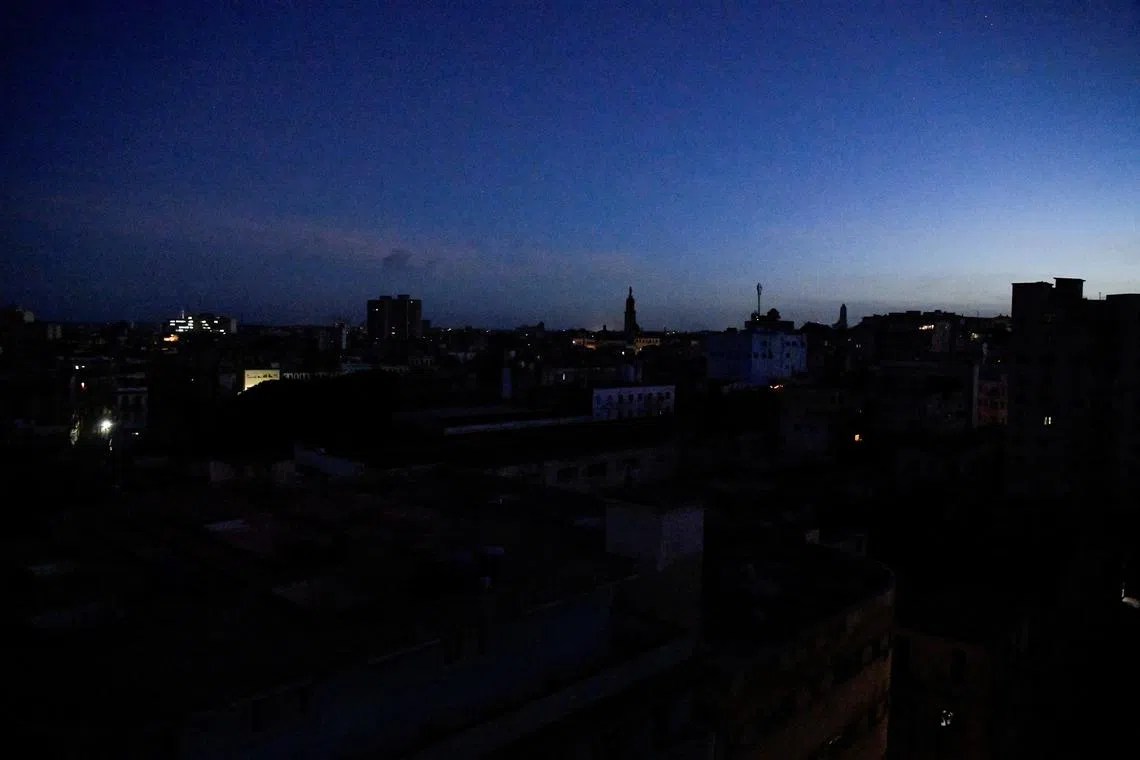
    Egypt is now offering a real-time example of what happens when an energy crisis moves from theory into reality, and it is not unfolding in some distant or abstract way but directly in the daily life of one of the most populated nations in the Middle East. Cairo, a city historically known for its nightlife and constant activity, is now being forced into darkness as the government imposes strict measures to conserve energy following the fallout from the Iran war.

    Businesses are being ordered to shut down early, public lighting has been reduced, and what was once a 24-hour economy is now being artificially curtailed to cope with soaring fuel costs and disrupted supply chains.

    The scale of the shock is significant because Egypt is not a major oil producer capable of insulating itself from global disruptions, but rather a country heavily dependent on imported energy. The government has confirmed that its energy import bill has more than doubled since the war began, forcing authorities to raise fuel prices, increase transportation costs, and even slow state-backed projects to manage the financial strain. This is precisely how an energy crisis spreads through an economy, beginning with supply constraints and then rippling outward into inflation, reduced activity, and ultimately social pressure.

    What is unfolding in Cairo is not just about dimmed streetlights or earlier closing times, it is a form of economic contraction imposed by necessity. Shops, cafes, and restaurants are now required to close as early as 9 p.m., cutting off peak business hours in a culture where much of economic and social life traditionally occurs late at night. This has immediate consequences as businesses lose revenue, workers lose hours, and entire sectors begin to slow down. The government has even introduced reduced working hours and remote work policies to limit energy consumption, which further highlights how deep the problem has become.

    Egypt was already dealing with a weakened currency and inflation running above 13%, and now it is being hit with an external shock that it cannot control. This combination is extremely dangerous because it reduces the government’s ability to respond while increasing pressure on the population. Tourism, one of Egypt’s primary sources of foreign currency, is already showing signs of slowing, and if that continues, it will further strain an already fragile balance of payments.

    Egypt is simply one of the first visible cracks in the system. Countries that rely on imported energy are all facing similar pressures, but Egypt’s scale and economic structure make the impact more immediate and more visible.

    This is where the broader picture becomes clear. The energy crisis is not something that hits everywhere at once. It moves unevenly, affecting the most vulnerable economies first, particularly those dependent on imports and exposed to global price shocks. Egypt is now showing what that looks like in practice, where an external geopolitical conflict translates directly into domestic restrictions, economic slowdown, and rising costs of living.


    Source link

    Share. Facebook Twitter Pinterest LinkedIn Tumblr Email

    Related Posts

    Market Talk – April 29, 2026

    April 29, 2026

    Starmer’s Collapse Is A Vote Against Policy Failure

    April 29, 2026

    Google Partners With The Pentagon To Sell Your Data

    April 29, 2026
    Top News

    Deep State-Neocons & The Takeover Of America

    By Staff WriterNovember 9, 2025

    COMMENT: The latest that the pipe bomb was planted in a desperate effort to turn…

    Trump Says He’s Going into Chicago and Other Cities Whether “Stupid” Leaders Ask Him to or Not – “You’re Going to be Safe Within Two Weeks” | The Gateway Pundit

    September 6, 2025

    Klarna Employees Use Emojis to Show RTO Disappointment

    September 10, 2025

    The Pentagon–Anthropic clash is a warning for every enterprise AI buyer

    March 12, 2026
    Top Trending

    This common travel habit is now banned on American Airlines flights

    By Staff WriterApril 29, 2026

    Passengers flying with low battery on their phones might be out of…

    Market Talk – April 29, 2026

    By Staff WriterApril 29, 2026

    ASIA: The major Asian stock markets had a mixed day today: •…

    Uber just expanded into hotels, AI, and ‘room service’ and it’s moving fast

    By Staff WriterApril 29, 2026

    Uber Technologies is doing everything it can to save its customers’ time,…

    Categories
    • Business
    • Economy
    • Headline News
    • Top News
    • US Politics
    • World Politics
    About us

    The Populist Bulletin serves as a beacon for the populist movement, which champions the interests of ordinary citizens over the agendas of the powerful and entrenched elitists. Rooted in the belief that the voices of everyday workers, families, and communities are often drowned out by powerful people and institutions, it delivers straightforward, unfiltered, compelling, relatable stories that resonate with the values of the American public.

    The Populist Bulletin was founded with a fervent commitment to inform, inspire, empower and spark meaningful conversations about the economy, business, politics, inequality, government accountability and overreach, globalization, and the preservation of American cultural heritage.

    The site offers a dynamic mix of investigative journalism, opinion editorials, and viral content that amplify populist sentiments and deliver stories that echo the concerns of everyday Americans while boldly challenging mainstream narratives that serve the privileged few.

    Top Picks

    This common travel habit is now banned on American Airlines flights

    April 29, 2026

    Market Talk – April 29, 2026

    April 29, 2026

    Uber just expanded into hotels, AI, and ‘room service’ and it’s moving fast

    April 29, 2026
    Categories
    • Business
    • Economy
    • Headline News
    • Top News
    • US Politics
    • World Politics
    Copyright © 2025 Populist Bulletin. All Rights Reserved.

    Type above and press Enter to search. Press Esc to cancel.