
What is unfolding right now is not just another dispute inside OPEC. This is the beginning of the breakdown of coordinated global energy policy under the pressure of war. The decision by the United Arab Emirates to exit OPEC effective May 1 comes as oil supply is being physically disrupted, not merely negotiated.
Officials in the UAE have tried to frame this as a strategic move, stating they need “greater flexibility to manage production independently” and to expand output capacity without being constrained by quotas. That statement alone reveals the real issue. They have the ability to produce more oil, but OPEC restrictions have prevented them from doing so at a time when global supply is tightening. When a producer is sitting on capacity in the middle of a supply shock, remaining in a cartel becomes a liability rather than an advantage.
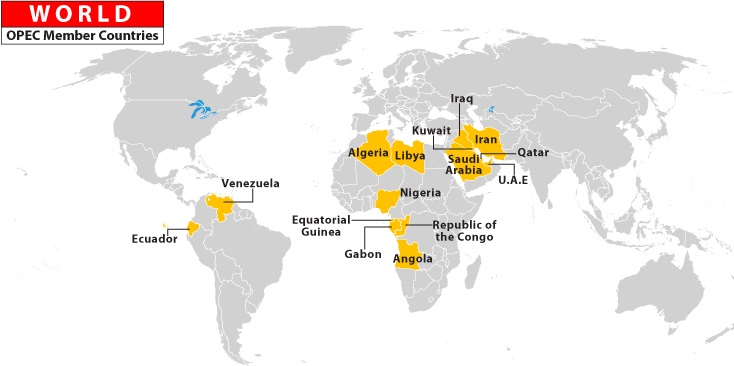
The numbers here are critical. OPEC production has already fallen sharply, with estimates showing output around 20.79 million barrels per day in March, while disruptions tied to the Iran conflict are removing as much as 7–10 million barrels per day from global supply flows, particularly through the Strait of Hormuz. That is not a minor disruption. That is a structural shock to the system.
At the same time, oil prices are reacting exactly as expected. Brent crude has surged above 110 dollars per barrel, with U.S. crude crossing 100. Analysts have warned that “there is no clear end in sight to the supply disruption,” which means volatility is not temporary. It becomes embedded in the system.
The UAE has made it clear that it intends to increase production capacity toward 5 million barrels per day by 2027, well above its current quota near 3 million. That gap explains everything. By leaving OPEC, they can monetize that capacity immediately rather than waiting for collective agreements that no longer align with their national interest. Estimates suggest this could translate into tens of billions in additional annual revenue.
I have written many times that OPEC was never a permanent solution to managing energy markets. It was a political construct that worked only when member states had aligned interests and a shared incentive to restrict supply. The moment those interests diverge, the structure begins to fail. OPEC has historically struggled with compliance. Members routinely exceeded quotas when it suited them, particularly during periods of high prices or fiscal stress. That was always the underlying weakness.
What we are seeing now is that weakness being exposed under extreme conditions. War changes everything. When geopolitical survival overrides economic coordination, agreements collapse. OPEC cannot function when members are facing direct threats or when they see an opportunity to maximize revenue independently. This is precisely why these types of organizations tend to break down during periods of rising global tension.
The UAE’s decision signals something much larger about the future of OPEC. If one major producer walks away to pursue independent production, others will begin to reconsider their own participation. The incentive to cooperate declines as the incentive to produce increases. That creates a feedback loop where the cartel loses its ability to enforce discipline.
At the same time, the global energy landscape has already shifted. The United States has emerged as a dominant producer, reducing the relative influence of OPEC compared to previous decades. When OPEC was formed, it had far greater control over global supply. Today, that control is diluted, and fragmentation only accelerates that trend.
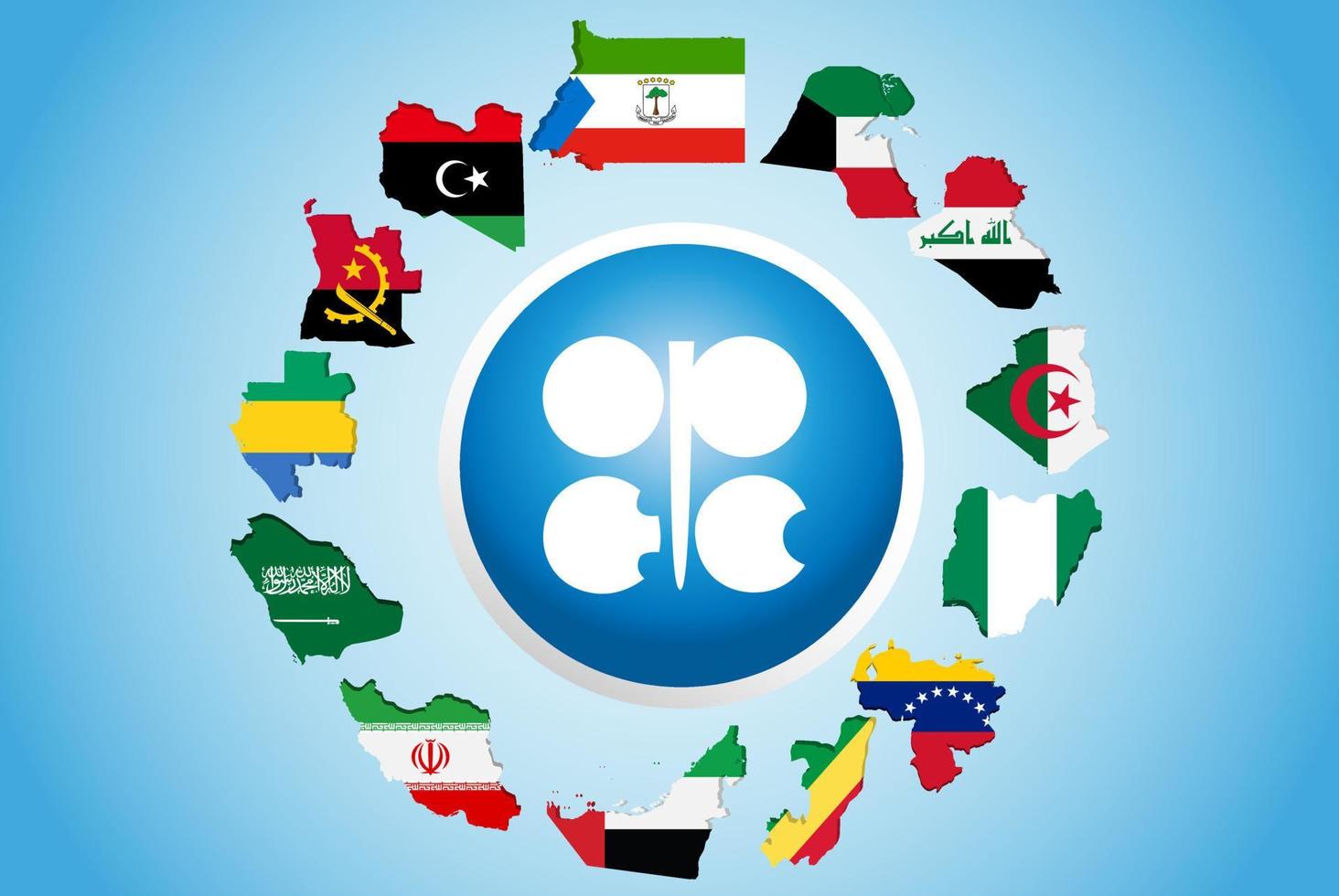
Looking forward, OPEC is unlikely to disappear overnight, but its role will change. Instead of acting as a unified force capable of stabilizing markets, it will become a looser alliance with diminishing influence. Pricing power will shift toward individual producers and market forces rather than coordinated quotas. That transition introduces far greater volatility because there is no longer a central mechanism to manage supply in times of crisis.
Geopolitical conflict will increasingly dictate energy flows. When supply routes are threatened and production becomes a strategic asset, countries will prioritize control over cooperation. Energy becomes a tool of leverage rather than a shared economic resource.
The contradiction globally is becoming impossible to ignore. While policymakers in Europe continue to push for eliminating fossil fuels, producers are expanding output and repositioning themselves to control supply. This divergence guarantees instability. There is no substitute capable of replacing this level of energy demand, and the attempt to force that transition is colliding directly with geopolitical reality.
The UAE’s exit is not an isolated event. It is a signal that the system is changing. Energy markets are moving away from coordinated control and toward fragmentation driven by national interest. Once that shift takes hold, it does not reverse easily.
The real takeaway is simple. When supply is disrupted, cooperation breaks down, and producers begin acting independently, the result is sustained volatility. Prices rise, markets become unstable, and geopolitical tension intensifies. This is not a short-term disruption. It is the early stage of a much larger transformation in the global energy order.