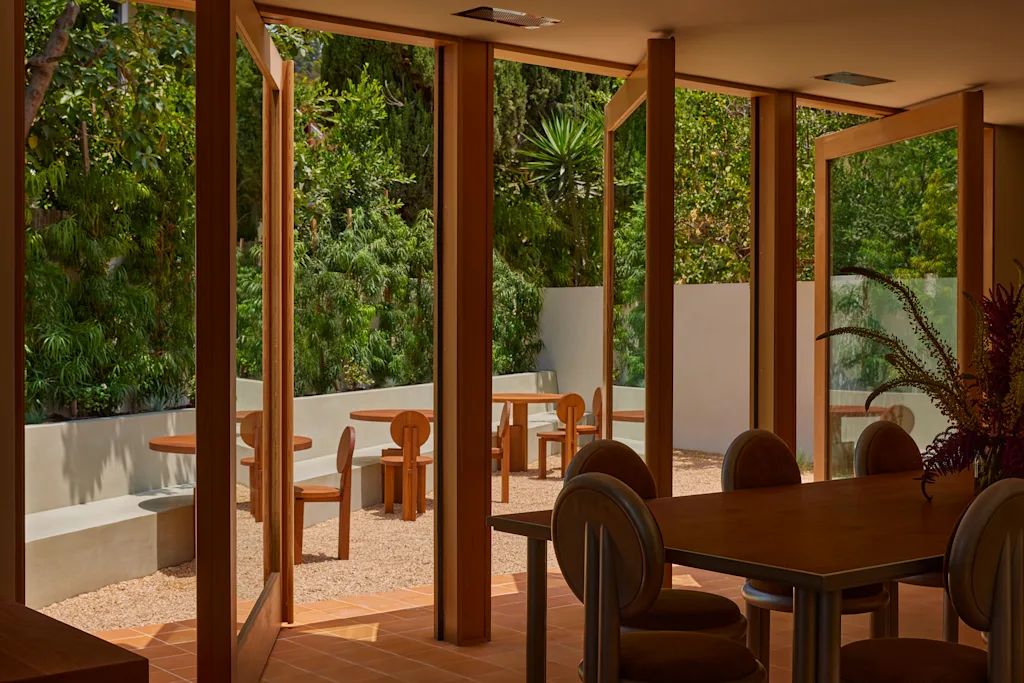
When the British designer Fred Rigby released his first furniture collection in 2021, he knew from the outset he would prioritize a U.S. audience—a bigger market with more sales opportunities, he says. Rigby designs and manufactures elegantly crafted furniture in the Oxfordshire countryside, and has built strong relationships with interior designer clients in cities like New York, L.A. and Miami.
For a few years, things went according to plan. As his studio grew, 60–70% of sales came from the U.S. market. Then in 2025, all of that changed. “We had a healthy-looking pipeline, but when the tariffs came in, we just saw more and more projects disappear,” says Rigby.
Since October 14, upholstered furniture imported to the U.S.—such as sofas and armchairs—has been subject to a 25% tariff, which is due to rise to 30% on January 1, 2026. In reality, trade deals with specific countries affect this final number. For instance, tariffs on all imports from EU countries are capped at 15%; for the U.K., it’s 10%; for Brazil, it’s 50%. Different elements of a furniture item can even be subject to varying tariffs based on their country of origin.
These changes and uncertainties have rattled the furniture world, including foreign furniture makers with significant U.S. markets like Rigby and U.S.-based interior designers sourcing global furniture. Even domestic furniture brands, who often rely on international materials, are taking a hit. Delaware-headquartered American Signature, parent company of furnishings retailers American Signature Furniture and Value City, filed for bankruptcy in November, citing the economic impacts of tariffs.
The great reshoring
USITC data shows that most furniture imported to the U.S. comes from China and Vietnam, largely representing the mass of the market with quick-shipped, budget pieces. For higher-end, design-forward interiors projects, the picture is a little different, with many pieces coming from heritage and prestige European furniture brands.
“Europe offers a level of uniqueness and legacy techniques that are hard to replicate,” says New York-based interior designer Clive Lonstein, who sources roughly 20% of the furniture used in his studio’s projects internationally. These pieces will remain important to his practice, he says, as they add “depth and individuality to each project.” Nevertheless, in the wake of tariffs, he has also begun looking to domestic vendors and artisans. “[There is] incredible design talent and craftsmanship here in the States,” he says.
Recentering the focus on American production is a driving vision of the U.S. tariffs, and many of the large, well-known furniture companies—both domestic and international—are already making moves in that direction.
Swedish brand Ikea, which currently manufactures about 15% of products that it sells in the U.S. domestically, has said it would increase U.S. production. In the meantime, it concedes, tariffs will result in “price adjustments”—made more urgent by its recently reported plunge in profits. American brand RH, meanwhile, which imports most of its products, has reportedly started moving more manufacturing to its existing U.S. operations in North Carolina, a national and historic hub of furniture making.

Reshoring comes with its own challenges, however: U.S. labor is often more expensive, it can be harder to find enough skilled workers, the infrastructure is not yet there to match production levels achieved internationally, and many materials still need to be imported. Even with the tariffs, it might be cheaper for consumers and clients to buy imported furniture.
Smaller brand, bigger problems
Although many large brands are waiting to see how things play out, smaller-scale furniture makers are already feeling the impact.

Soft Witness, a furniture and interior design studio based between New York and Florence, Italy, has earned a reputation for its craft-focused, architecturally informed aesthetic. Its furniture pieces are manufactured in Italy and often shipped over to the U.S. To maintain sales and commissions at competitive pricing, founder Whitney Krieger has been “taking the hit” financially—paying tariffs and not passing that cost on to her customers. For her, this means potentially forgoing profits, or even taking a loss.

While the impact has prompted Krieger to consider producing her works in the U.S., where 90% of her sales are, she has “yet to be convinced this will move the needle much, as it doubles a lot of work.” Ultimately, she feels committed to collaborating with the artisans in Italy she has built a relationship with.
Larger furniture brands, however, often have the funds or mechanisms to absorb the subsequent costs of tariffs or manufacturing relocation, without necessarily passing on the bulk of that cost to consumers.
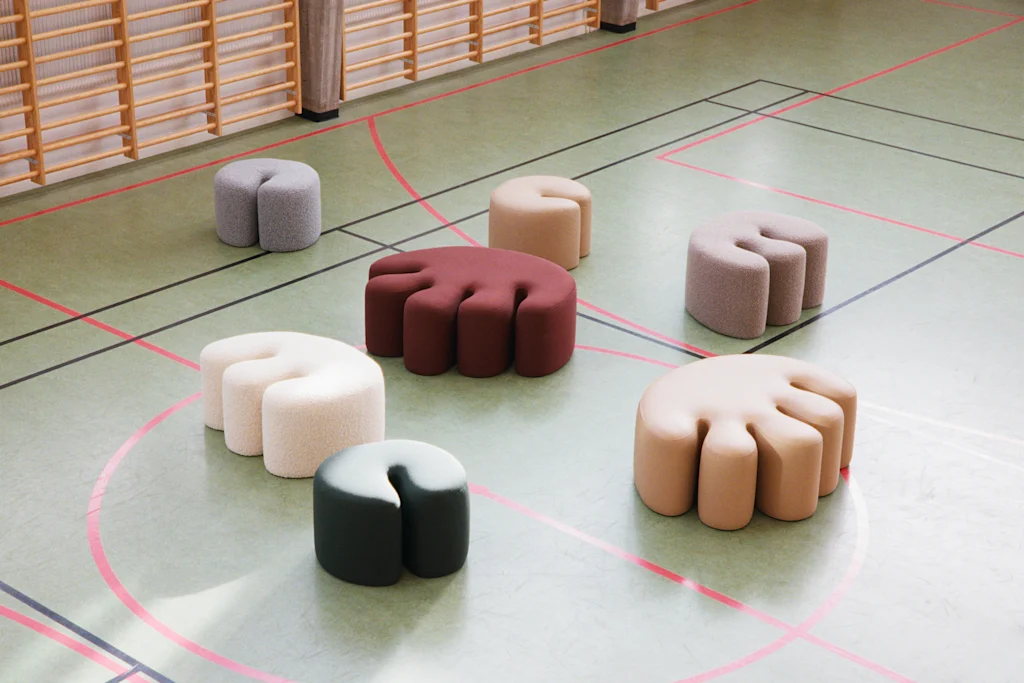
Hem, a popular, young Swedish furniture brand—appealing for its contemporary, playful take on Scandinavian minimalism—manufactures its products in Europe, but has focused sales on the U.S. market from the outset. As such, it established an incorporated limited company in the U.S.
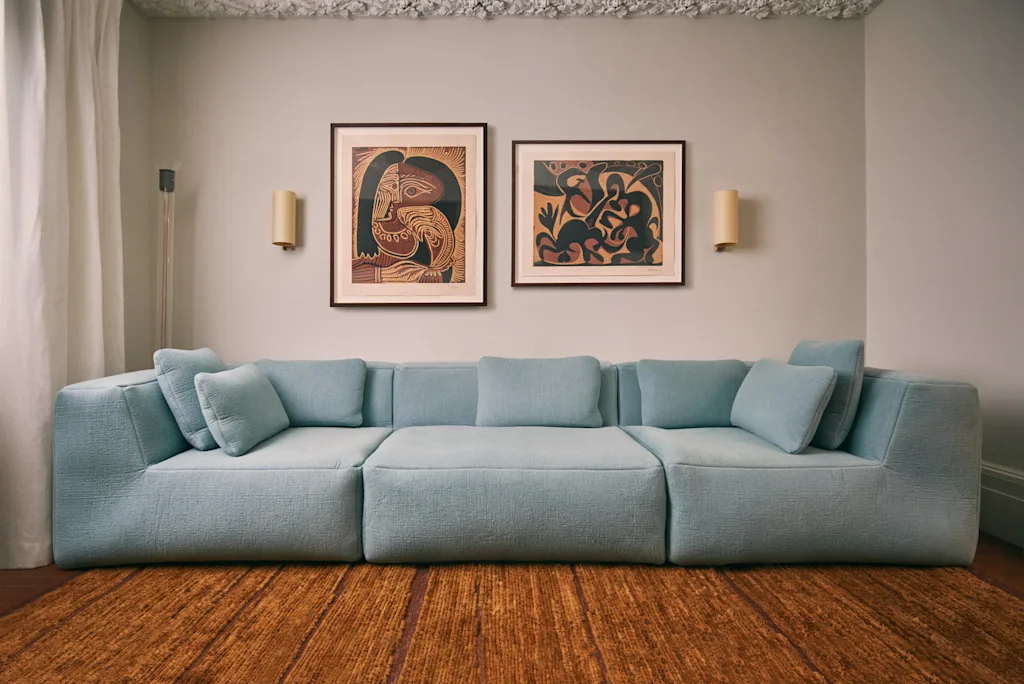
This has significantly lessened the impact of the current tariffs, as instead of exporting to clients at retail price, Hem exports to its own entity at product cost, resulting in lower tariff bills that the brand largely absorbs.
“We’ve raised prices a little bit, but not a lot—about 5%,” says Petrus Palmér, Hem’s founder. The most significant impact, he says, has been the “noise and insecurity.” It’s confusing enough for business owners, he says, but worse for consumers. “I understand completely if they stop buying.”
Trickle down effects
The business outcomes of furniture producers and the interior designers who buy their products is deeply intertwined. For interior designers relying on furniture imports, including from Europe, the day-to-day reality of their business has become much more complex, even while the vision and ambitions remain the same.

Los Angeles and New York-based Vellum Studio, for instance, does not intend on abandoning foreign products in its high-end residential interior projects. “International pieces are part of our design,” says founder Ronit Lee. “We do not believe in forgoing these as each piece is a lifelong investment [for the client].”
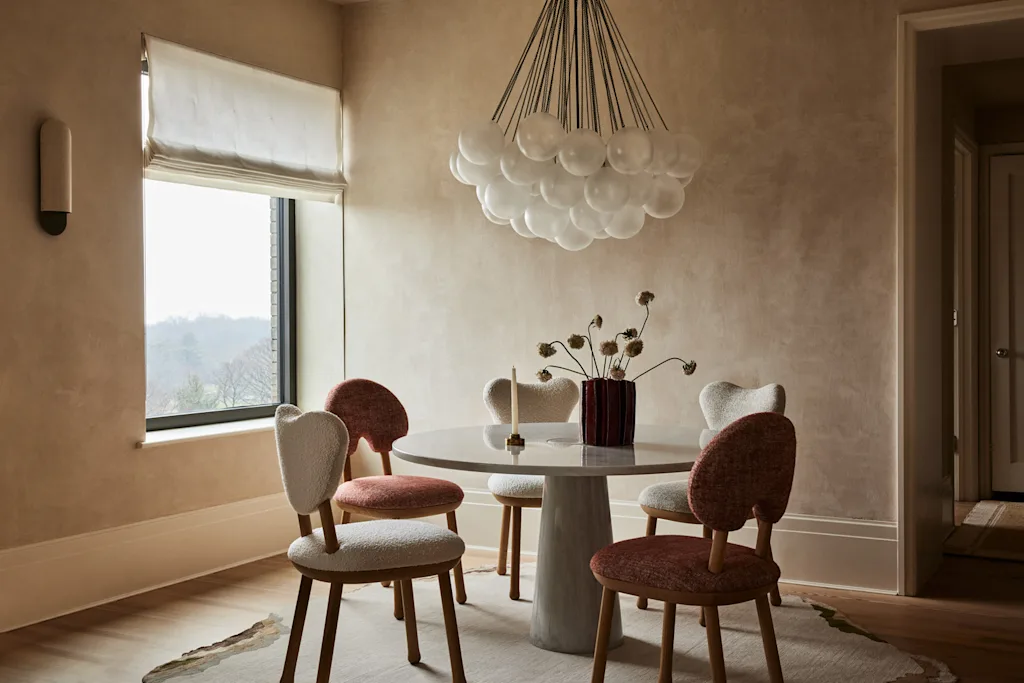
Prices for certain purchases from abroad have increased, but Lee is transparent with her clients about the changing costs and importing challenges. If possible, she prioritizes furniture that has already been imported to the U.S. by big brands or vintage furniture dealers, and is now being sold domestically. But this is a now dwindling supply.

For L.A. architecture and design studio 22RE, most of the furniture it specifies for projects is vintage—an approach that draws on a fundamentally global narrative. “So much of 20th-century design—especially modernism—came from global conversation and cross-cultural making,” says founder Dean Levin. European design in particular, he says, “remains a huge part of the language of modern interiors—not just visually, but culturally.”
The tariffs have made sourcing rare international finds “harder and often not financially realistic,” he says. “They threaten that global exchange and make some of the most defining pieces of design history less accessible.”