Close Menu
    Facebook X (Twitter) Instagram
    TRENDING :
    • He and His Wife Run a Franchise for Senior Care
    • Apple Watch Redesign Rumors as Wearables Market Shifts
    • Companies Are Taking a Controversial Approach to Raises
    • The revolt against FIFA chief Infantino continues with an open letter from soccer’s regional governing bodies
    • Jalapeño salmonella recall: See an updated list of impacted retailers, including Trader Joe’s, Walmart, Whole Foods, Kroger, Target, and more
    • Parents face a school-bell penalty that robs them of time and money. A new study reveals just how much
    • How the Women’s Pro Baseball League designed itself from the ground up
    • Are people in creative professions happier? It’s complicated
    Compatriot Chronicle
    • Home
    • US Politics
    • World Politics
    • Economy
    • Business
    • Headline News
    Compatriot Chronicle
    Home»Economy»Holiday Sales Disappoint | Armstrong Economics
    Economy

    Holiday Sales Disappoint | Armstrong Economics

    February 11, 20263 Mins Read
    Share Facebook Twitter Pinterest LinkedIn Tumblr Telegram Email Copy Link
    Follow Us
    Google News Flipboard
    Share
    Facebook Twitter LinkedIn Pinterest Email


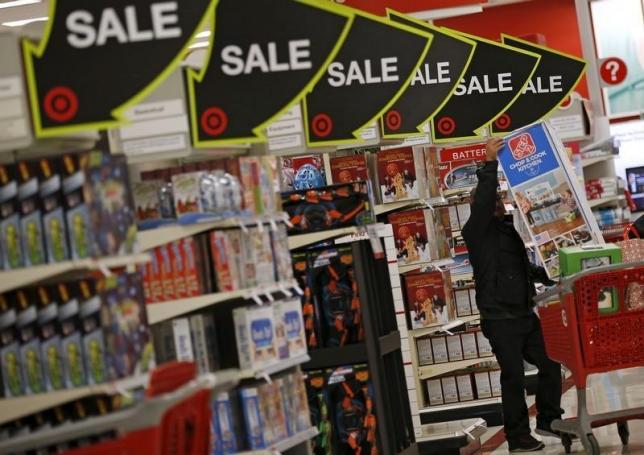
    The Commerce Department’s advance retail sales report for December revealed that total US retail receipts were essentially unchanged from November, coming in flat after a 0.6 percent increase in November and well below economists’ expectations for a 0.4 percent rise in December. Core retail sales, or the measure that excludes volatile categories like autos, gasoline, building materials, and food services, and which feeds directly into GDP calculations, actually slipped about 0.1 percent in December following a downward revision to November’s core gain to just 0.2 percent from 0.4 percent previously reported. For the full year of 2025, total retail sales still registered a nominal gain of roughly 3.7 percent compared to 2024.

    From the outset, the numbers tell a story that echoes the longer, unavoidable economic cycle rather than the distorted confidence many policymakers still cling to. Retail sales are the largest component of household consumption and by far the biggest driver of GDP. So, when retail sales fail to post any real growth in December, at a time when spending should be concentrated and elevated, it reflects more than seasonal adjustments. Core consumption, which excludes the big ticket and volatile segments, is arguably more telling than the headline, and it turned negative at precisely the point in the calendar when it should have remained positive if households were truly confident about their spending capacity.

    Even when you look at the annual figures, a 3.7% advance relative to 2024, those gains are heavily influenced by price effects, tariff-driven cost pass-throughs, and earlier quarters’ momentum rather than rising volumes of goods moved off shelves. Nominal increases can mask real consumption stagnation because they do not strip out inflation or show whether households are actually purchasing more items versus paying more for the same baskets. The flat December reading underscores that the consumer’s grip on spending is loosening at the margins. Retail categories traditionally dependent on discretionary income, such as electronics, furniture, and clothing, struggled, while the modest nominal gains in the annual totals often reflect spending in necessity or inflation-catch-up categories.

    This pattern has implications that extend beyond a single monthly release. For much of the past year, robust consumer spending masked underlying weaknesses elsewhere in the economy. Households used savings, leaned on credit, and when forced to spend, focused on the essentials. Real incomes lag behind cost increases in essentials like housing, insurance, food, and healthcare. Wages are rising but they are mismatched with the price of living.

    It is now increasingly apparent that the robust GDP prints from mid-year, often cited as evidence of economic resilience, were driven by transient factors and delayed data rather than sustainable consumer strength. The late-year softness puts at risk the projections for fourth-quarter GDP growth and may dampen expectations for early 2026 monetary easing if the Federal Reserve interprets slowing demand as disinflationary pressure.


    Source link

    Share. Facebook Twitter Pinterest LinkedIn Tumblr Email

    Related Posts

    July Jobs Report Confirms The Trend Already In Motion

    August 10, 2026

    China’s Gold Buying Is Not Simply A Bet Against The Dollar

    August 10, 2026

    Why Is France Preparing For A Nationwide Blackout In 2027?

    August 10, 2026
    Top News

    The culture solution CEOs are missing

    By Staff WriterJanuary 5, 2026

    In his reflections on the 2025 Wall Street Journal CEO Council summit held in December,…

    I Reinvented My Career — But I Didn’t Find My Dream Job Online

    July 21, 2026

    Bulgaria Refuses To Fund Zelensky’s Endless War

    July 17, 2026

    You can put a data center at your house—but who really pays?

    May 10, 2026
    Top Trending

    He and His Wife Run a Franchise for Senior Care

    By Staff WriterAugust 10, 2026

    When Anthony helped his dad find the right senior living community for…

    Apple Watch Redesign Rumors as Wearables Market Shifts

    By Staff WriterAugust 10, 2026

    The wearables category has seen a surge in faceless, screen-free devices from…

    Companies Are Taking a Controversial Approach to Raises

    By Staff WriterAugust 10, 2026

    Key Takeaways Peanut butter raises are small, across-the-board increases that ignore individual…

    Categories
    • Business
    • Economy
    • Headline News
    • Top News
    • US Politics
    • World Politics
    About us

    The Populist Bulletin serves as a beacon for the populist movement, which champions the interests of ordinary citizens over the agendas of the powerful and entrenched elitists. Rooted in the belief that the voices of everyday workers, families, and communities are often drowned out by powerful people and institutions, it delivers straightforward, unfiltered, compelling, relatable stories that resonate with the values of the American public.

    The Populist Bulletin was founded with a fervent commitment to inform, inspire, empower and spark meaningful conversations about the economy, business, politics, inequality, government accountability and overreach, globalization, and the preservation of American cultural heritage.

    The site offers a dynamic mix of investigative journalism, opinion editorials, and viral content that amplify populist sentiments and deliver stories that echo the concerns of everyday Americans while boldly challenging mainstream narratives that serve the privileged few.

    Top Picks

    He and His Wife Run a Franchise for Senior Care

    August 10, 2026

    Apple Watch Redesign Rumors as Wearables Market Shifts

    August 10, 2026

    Companies Are Taking a Controversial Approach to Raises

    August 10, 2026
    Categories
    • Business
    • Economy
    • Headline News
    • Top News
    • US Politics
    • World Politics
    Copyright © 2025 Populist Bulletin. All Rights Reserved.

    Type above and press Enter to search. Press Esc to cancel.