Close Menu
    Facebook X (Twitter) Instagram
    TRENDING :
    • Social media’s big tobacco moment is just a first step
    • Ghirardelli Chocolate products recalled over Salmonella fears. Avoid this list of 13 beverage mixes
    • Google, TikTok and Meta could be taxed by Australia to fund its newsrooms
    • MacKenzie Scott says we underestimate the impact of small acts of kindness. Science agrees
    • Trump says Iran ‘better get smart soon’ as economies deal with skyrocketing energy prices
    • A key weapon in America’s ‘Golden Dome’ defense shield is taking shape
    • How F1 is revving up its U.S. takeover at the Miami Grand Prix
    • Why the hardest part of building the future is letting go of the past
    Compatriot Chronicle
    • Home
    • US Politics
    • World Politics
    • Economy
    • Business
    • Headline News
    Compatriot Chronicle
    Home»Business»It’s not just the pay gap. This disparity also holds working women back
    Business

    It’s not just the pay gap. This disparity also holds working women back

    April 2, 20263 Mins Read
    Share Facebook Twitter Pinterest LinkedIn Tumblr Telegram Email Copy Link
    Follow Us
    Google News Flipboard
    Share
    Facebook Twitter LinkedIn Pinterest Email

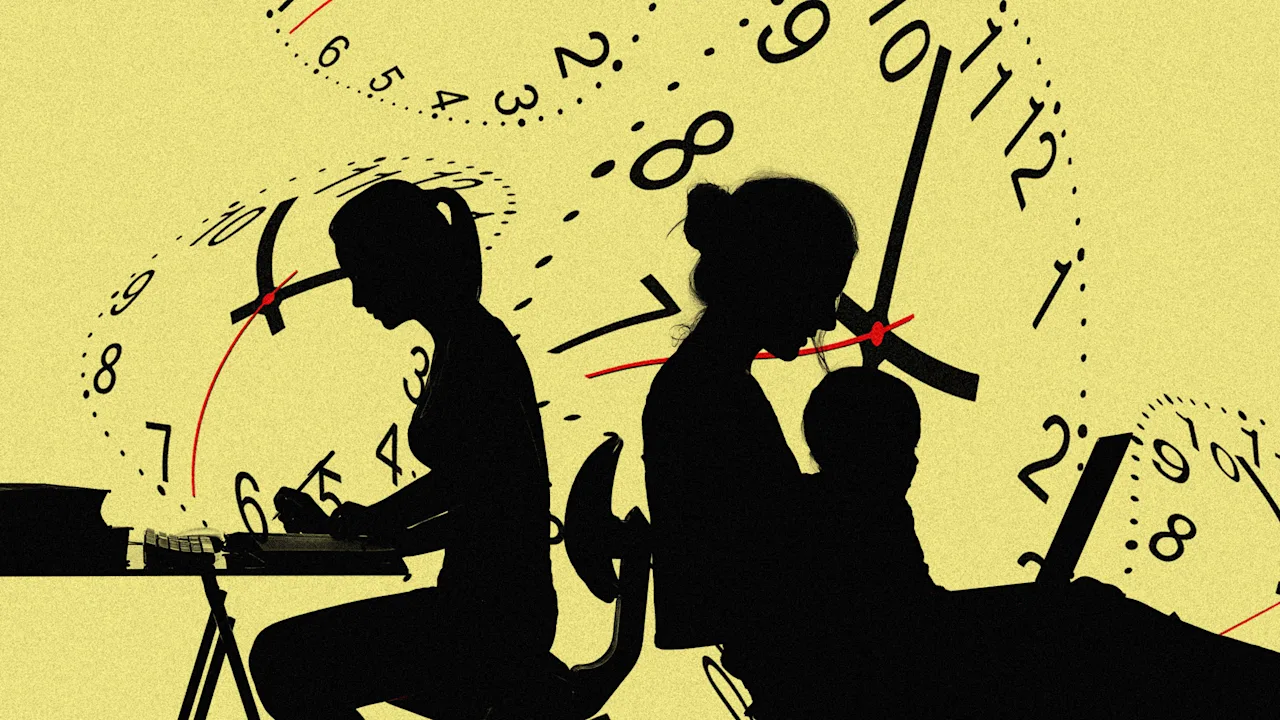
    It is a truth universally acknowledged, that a woman with a family and a career is in want of more hours in the day. However, despite this, typically conversations around gender inequity at work focus on a pay gap, rather than the consequences of what happens when women don’t have as much time as their male counterparts.

    In a new study published in the International Journal of Management Reviews, researchers analyzed 88 studies on the interaction between “gender, time, and organizations” in Africa. The researchers wanted to spotlight African organizations to understand how caregiving and other cultural expectations play out at work.

    They found that the unpaid labor women do at home creates a hidden time gap that limits their ability to get ahead at work—which in turn impacts training, networking, and taking on the projects at work that get you promoted.

    While the analysis focuses on Africa, the researchers explained that similar patterns exist all over the world. Outside of work, women do more of the unpaid domestic work, and they are expected to contribute more to their social lives. “Women are not falling behind because they lack ambition or ability. They are falling behind because they are carrying a second shift that workplaces still largely ignore. If we want real inclusion, we have to stop designing jobs around the assumption that everyone has unlimited time,” said professor Toyin Adisa at the University of East London, one of the study’s authors.
    Solving the time issue will take exactly that—time. Professor Toyin Adisa  said, “If we are serious about inclusion, we cannot rely on small policy tweaks. We have to rethink how work is organized and how care is valued across society.” The study  offered some suggestions for how to even the playing field: most notably, better childcare support options.

    The need for better childcare holds true in America as well. According to a 2026 Care.com study, parents in the U.S. spend 20% or more of their yearly income on childcare costs and31% are forced to use their savings to cover the expense.

    Similarly, a 2025 Economic Policy Institute (EPI) report found that childcare for one infant is more expensive than public college tuition in 38 states and Washington D.C. “Child care is unaffordable for working families everywhere in the country, and it’s even more unattainable for minimum wage workers and the very workers that administer child care,” Katherine deCourcy, EPI research assistant, said in a press release on the findings. “This isn’t inevitable—it is a policy choice. Federal and state policymakers can and should act to make child care more affordable, and ensure that child care workers can afford the same quality of care for their own children.”

    While most parents (85%) say that childcare is an essential workplace benefit, one in three employers do not offer it.

    Regardless of how desperate families are for more affordable childcare and how much it could impact women’s career prospects it still seems out of reach in the U.S. On Wednesday, Trump told guests at an Easter event that the federal government won’t pay for childcare and that it should be left up to the states. “We can’t take care of daycare. We’re a big country. We have 50 states. We have all these other people,” Trump said. “We’re fighting wars. We can’t take care of daycare.”


    Source link

    Share. Facebook Twitter Pinterest LinkedIn Tumblr Email

    Related Posts

    Social media’s big tobacco moment is just a first step

    April 29, 2026

    Ghirardelli Chocolate products recalled over Salmonella fears. Avoid this list of 13 beverage mixes

    April 29, 2026

    Google, TikTok and Meta could be taxed by Australia to fund its newsrooms

    April 29, 2026
    Top News

    Quantum Computing Inc: Stock price soars on earnings beat in volatile year for quantum stocks

    By Staff WriterNovember 17, 2025

    As of this writing, shares in Quantum Computing Inc. (Nasdaq: QUBT) are spiking in premarket…

    BlackBerry stock is rising today, but this time it’s not a meme thing

    April 9, 2026

    The problem with Earth Month isn’t greenwashing

    April 9, 2026

    Trump Threatens to Revoke Rosie O’Donnell’s US Citizenship

    September 5, 2025
    Top Trending

    Social media’s big tobacco moment is just a first step

    By Staff WriterApril 29, 2026

    Many commentators have called March’s California jury verdict, finding Meta and Google…

    Ghirardelli Chocolate products recalled over Salmonella fears. Avoid this list of 13 beverage mixes

    By Staff WriterApril 29, 2026

    California-based Ghirardelli Chocolate Company has voluntarily recalled 13 of its powdered beverage…

    Google, TikTok and Meta could be taxed by Australia to fund its newsrooms

    By Staff WriterApril 29, 2026

    Australia has proposed taxing digital giants Meta, Google and TikTok on a…

    Categories
    • Business
    • Economy
    • Headline News
    • Top News
    • US Politics
    • World Politics
    About us

    The Populist Bulletin serves as a beacon for the populist movement, which champions the interests of ordinary citizens over the agendas of the powerful and entrenched elitists. Rooted in the belief that the voices of everyday workers, families, and communities are often drowned out by powerful people and institutions, it delivers straightforward, unfiltered, compelling, relatable stories that resonate with the values of the American public.

    The Populist Bulletin was founded with a fervent commitment to inform, inspire, empower and spark meaningful conversations about the economy, business, politics, inequality, government accountability and overreach, globalization, and the preservation of American cultural heritage.

    The site offers a dynamic mix of investigative journalism, opinion editorials, and viral content that amplify populist sentiments and deliver stories that echo the concerns of everyday Americans while boldly challenging mainstream narratives that serve the privileged few.

    Top Picks

    Social media’s big tobacco moment is just a first step

    April 29, 2026

    Ghirardelli Chocolate products recalled over Salmonella fears. Avoid this list of 13 beverage mixes

    April 29, 2026

    Google, TikTok and Meta could be taxed by Australia to fund its newsrooms

    April 29, 2026
    Categories
    • Business
    • Economy
    • Headline News
    • Top News
    • US Politics
    • World Politics
    Copyright © 2025 Populist Bulletin. All Rights Reserved.

    Type above and press Enter to search. Press Esc to cancel.