Close Menu
    Facebook X (Twitter) Instagram
    TRENDING :
    • 75% of Founders Regret Selling Their Business Within a Year — Here’s How to Walk Away With More Than Just Money
    • All 55 European Football Federations Voted to Boycott FIFA
    • The Service Business That Wins AI Search Does These 3 Things
    • The Growth Trap Founders Fall Into When Every Opportunity Looks Too Good to Ignore
    • Market Talk – July 30, 2026
    • That cringey LinkedIn post? You can now report it as ‘AI slop’
    • 5 Ways the Sales Funnel Broke (and How AI is Replacing It)
    • JetZero Lands $3 Billion Deal to Build Blended-Wing Aircraft
    Compatriot Chronicle
    • Home
    • US Politics
    • World Politics
    • Economy
    • Business
    • Headline News
    Compatriot Chronicle
    Home»Economy»Martyrdom And The Psychology Of War
    Economy

    Martyrdom And The Psychology Of War

    April 14, 20264 Mins Read
    Share Facebook Twitter Pinterest LinkedIn Tumblr Telegram Email Copy Link
    Follow Us
    Google News Flipboard
    Share
    Facebook Twitter LinkedIn Pinterest Email


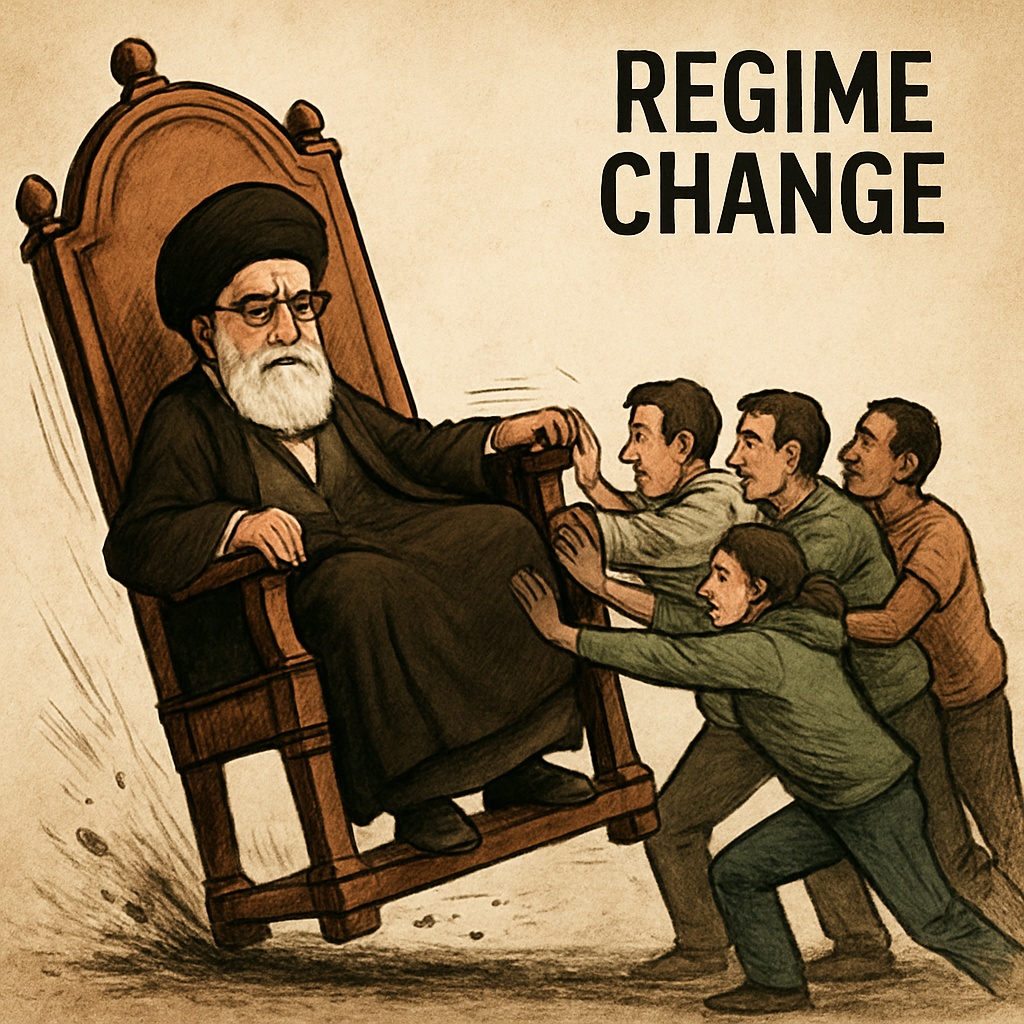
    One of the greatest mistakes Western policymakers repeatedly make is assuming that other cultures think the same way they do. They approach international conflicts through a secular lens of power, economics, and negotiation. But when dealing with Iran, they are confronting a political system deeply intertwined with religious ideology. When an Ayatollah or senior clerical leader is killed, the event does not necessarily weaken the movement. In many cases, it strengthens it.

    In Shiite Islam, the concept of martyrdom sits at the center of religious identity. The defining event for the Shia world was the death of Imam Hussein at the Battle of Karbala in 680 AD. Hussein, the grandson of the Prophet Muhammad, was killed after refusing to submit to what he regarded as illegitimate rule. His death became the foundational narrative of Shia resistance. To this day, millions commemorate Ashura every year, mourning Hussein’s death and celebrating the idea that righteous martyrdom is preferable to submission to injustice.

    This is not merely historical symbolism. The religious narrative reinforces the belief that suffering and sacrifice in the face of oppression ultimately leads to divine justice. The Quran repeatedly praises those who die in the path of God. One verse states that those killed in the cause of God should not be considered dead but alive with their Lord receiving provision (Quran 3:169). Another passage declares that God has “purchased from the believers their lives and their wealth in exchange for Paradise; they fight in the cause of God, kill and are killed” (Quran 9:111). These passages shape a worldview in which death during a struggle against perceived injustice can be interpreted as spiritual victory.

    From that perspective, killing a religious leader such as an Ayatollah risks transforming that individual into a symbol of sacrifice. Instead of eliminating the movement, it can reinforce the belief that the struggle itself is righteous. In a secular political system, the death of a leader may weaken an organization. In a religious revolutionary system, it can unify followers under the banner of martyrdom.

    The Western mindset approaches assassination very differently. When a leader is killed in the United States or Europe, the reaction is generally political or emotional rather than religious. When President John F. Kennedy was assassinated in 1963, the event shocked the nation and certainly increased patriotism and unity for a time. Yet Americans did not interpret his death as a religious sign or martyrdom that would justify continuing a sacred struggle. It was viewed as a national tragedy, not a divine narrative unfolding.

    This difference is profound. Western societies mourn their leaders, investigate the crime, and eventually move forward politically. The death does not typically transform the leader into a theological symbol driving long-term resistance or warfare. In the Shia tradition, however, martyrdom is embedded in religious identity itself. The story of Karbala is reenacted every year precisely to reinforce that belief.

    This is why Western policymakers often misunderstand the psychological dynamics of such conflicts. The assassination of leaders like Qassem Soleimani did not collapse Iranian influence in the region. Instead, it triggered massive demonstrations and strengthened the narrative that Iran was engaged in a sacred struggle against external enemies.

    When a Shia religious authority is killed, the event is interpreted through the lens of Karbala. The leader becomes another martyr in a long line of figures who died resisting oppression. That narrative carries enormous emotional power. It binds communities together and legitimizes continued struggle.

    Politicians in Washington often believe removing a leader will end a conflict. Yet in ideological and religious movements, the opposite frequently occurs. Killing a leader can transform a political confrontation into a moral crusade, reinforcing the belief that the faithful must continue the struggle no matter the cost.

    Understanding this cultural and religious framework is essential. Without it, policymakers will continue to miscalculate the consequences of their actions. History repeatedly shows that wars are not fought only with weapons. They are also fought with ideas, beliefs, and narratives that can outlive any individual leader.


    Source link

    Share. Facebook Twitter Pinterest LinkedIn Tumblr Email

    Related Posts

    Market Talk – July 30, 2026

    July 30, 2026

    Only The Tip Of The COVID Conspiracy Has Surfaced

    July 30, 2026

    The Fed Holds While Inflation Refuses To Die

    July 30, 2026
    Top News

    This Is the Leadership Trick That Even Top CEOs Swear By

    By Staff WriterSeptember 8, 2025

    Opinions expressed by Entrepreneur contributors are their own. Most leaders travel alone for business. But…

    Roblox is trying to stop U.S. adults from talking to kids on its platform

    January 12, 2026

    How CEOs are thinking about tackling political and social issues in today’s climate

    October 6, 2025

    As Anti-migrant Protests Pick-up Momentum and Mobilize 30 Cities Across Britain, Reform UK’s Nigel Farage Unveils His Plans for Mass Deportation of Illegals With 5 Flights Taking Them Out per Day (VIDEO COLLECTION) | The Gateway Pundit

    August 23, 2025
    Top Trending

    75% of Founders Regret Selling Their Business Within a Year — Here’s How to Walk Away With More Than Just Money

    By Staff WriterJuly 31, 2026

    Opinions expressed by Entrepreneur contributors are their own. Key Takeaways Selling a…

    All 55 European Football Federations Voted to Boycott FIFA

    By Staff WriterJuly 30, 2026

    Last week, FIFA announced plans to sell a $20 billion stake in…

    The Service Business That Wins AI Search Does These 3 Things

    By Staff WriterJuly 30, 2026

    Opinions expressed by Entrepreneur contributors are their own. Key Takeaways Answer the…

    Categories
    • Business
    • Economy
    • Headline News
    • Top News
    • US Politics
    • World Politics
    About us

    The Populist Bulletin serves as a beacon for the populist movement, which champions the interests of ordinary citizens over the agendas of the powerful and entrenched elitists. Rooted in the belief that the voices of everyday workers, families, and communities are often drowned out by powerful people and institutions, it delivers straightforward, unfiltered, compelling, relatable stories that resonate with the values of the American public.

    The Populist Bulletin was founded with a fervent commitment to inform, inspire, empower and spark meaningful conversations about the economy, business, politics, inequality, government accountability and overreach, globalization, and the preservation of American cultural heritage.

    The site offers a dynamic mix of investigative journalism, opinion editorials, and viral content that amplify populist sentiments and deliver stories that echo the concerns of everyday Americans while boldly challenging mainstream narratives that serve the privileged few.

    Top Picks

    75% of Founders Regret Selling Their Business Within a Year — Here’s How to Walk Away With More Than Just Money

    July 31, 2026

    All 55 European Football Federations Voted to Boycott FIFA

    July 30, 2026

    The Service Business That Wins AI Search Does These 3 Things

    July 30, 2026
    Categories
    • Business
    • Economy
    • Headline News
    • Top News
    • US Politics
    • World Politics
    Copyright © 2025 Populist Bulletin. All Rights Reserved.

    Type above and press Enter to search. Press Esc to cancel.