Close Menu
    Facebook X (Twitter) Instagram
    TRENDING :
    • Market Talk – April 29, 2026
    • Uber just expanded into hotels, AI, and ‘room service’ and it’s moving fast
    • Social media’s big tobacco moment is just a first step
    • Ghirardelli Chocolate products recalled over Salmonella fears. Avoid this list of 13 beverage mixes
    • Google, TikTok and Meta could be taxed by Australia to fund its newsrooms
    • MacKenzie Scott says we underestimate the impact of small acts of kindness. Science agrees
    • Trump says Iran ‘better get smart soon’ as economies deal with skyrocketing energy prices
    • A key weapon in America’s ‘Golden Dome’ defense shield is taking shape
    Compatriot Chronicle
    • Home
    • US Politics
    • World Politics
    • Economy
    • Business
    • Headline News
    Compatriot Chronicle
    Home»Business»Massachusetts Sen. Ed Markey is putting AV firms on blast for using human staffers
    Business

    Massachusetts Sen. Ed Markey is putting AV firms on blast for using human staffers

    March 31, 20263 Mins Read
    Share Facebook Twitter Pinterest LinkedIn Tumblr Telegram Email Copy Link
    Follow Us
    Google News Flipboard
    Share
    Facebook Twitter LinkedIn Pinterest Email

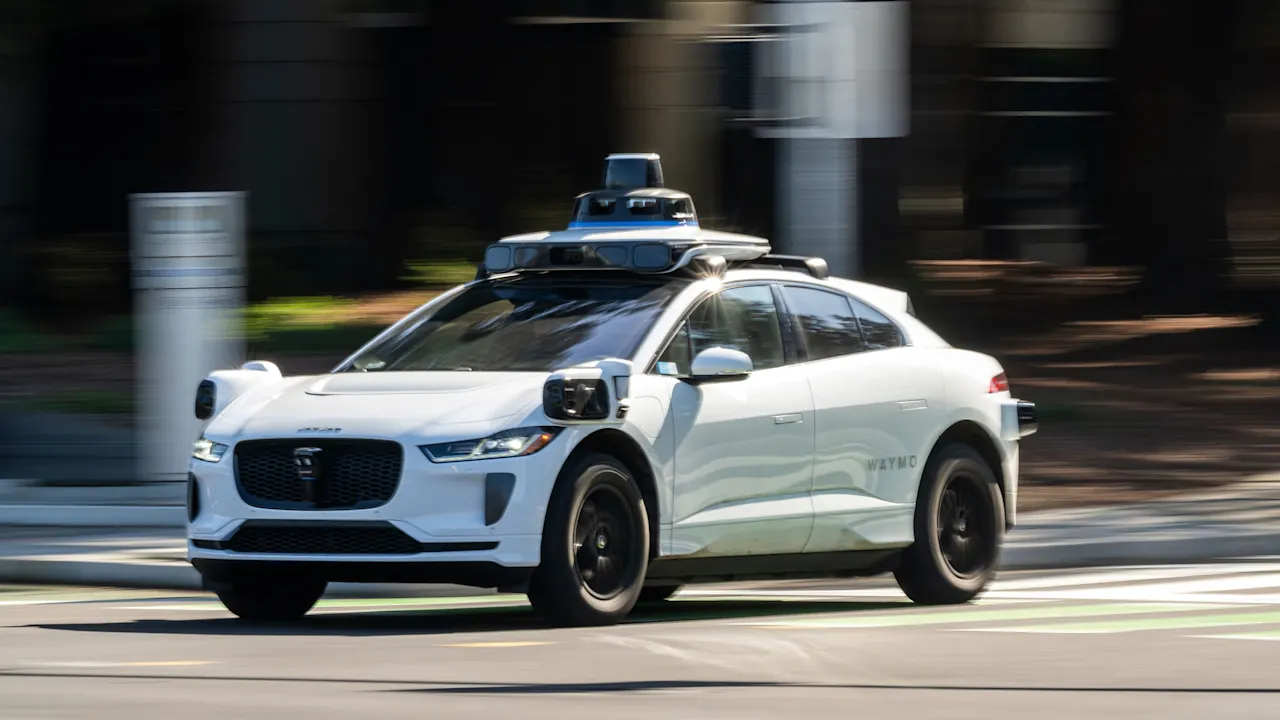
    A new investigation from Sen. Ed Markey has zeroed in on the human staffers who operate behind-the-scenes at self-driving car companies like Waymo, Tesla, and Zoox. While many of these companies emphasize that they seek to automate most aspects of driving, they still depend on humans to assist these cars when their software encounters confusing situations—or fails. 

    The investigation began at the beginning of February and was led by Markey, who has taken a particular interest in the self-driving car industry. The study involved sending letters to seven companies working on autonomous vehicles—Aurora, May Mobility, Motional, Nuro, Tesla, Waymo, and Zoox—and asking them detailed questions about when and how they deploy human remote operators or assistants. 

    None of the seven companies that Markey’s office reached out to were willing to share how often human staffers need to help their autonomous vehicles reorient themselves, Markey’s investigation found. The office’s research also found that Waymo is the only autonomous vehicle company that relies on staffers based outside the U.S. to help assist its driving system, and that it’s the only company that employs a large share of workers who perform this role without holding a U.S. driver’s license.

    “My investigation revealed a wide range of concerning practices,” Markey said in a statement, “from employees assisting vehicles from overseas to wide variations in communication lag times between vehicles and human operators.”

    The use of remote vehicle assistant workers raises several concerns, including questions over latency and the lack of consistent standards across the emergent self-driving industry. Another concern is fatigue on the part of remote operators, and the risk that they might mislead or cause a robotaxi to engage in dangerous behavior. City officials in cities like San Francisco are also worried about unplanned stops, and their impact on local traffic and emergency operations. 

    A recent Fast Company investigation, which analyzed dozens of reports filed by public transit operators in San Francisco, also highlighted concerns with the quality of the call centers used by public officials to reach these companies, including remote teams who are supposed to respond to emergency events, when their technology suffers an issue. The Fast Company investigation also highlighted the issue of unplanned stops, which can require a Waymo remote operator, someone on the company’s event response team, or even a city first responder to intervene. 

    Importantly, these companies frequently emphasize that their software is not designed for remote vehicle operation. Instead, companies maintain that remote assistance teams are simply advising software, and they emphasize it’s possible for vehicles to ignore context or suggestions by remote teams. In their letters to Markey’s office, which formed the basis of the investigation, many defended their approach to remote operations, or pushed back on Markey’s characterization of the risks. 

    Still, Markey wrote on Tuesday to the National Highway Traffic Safety Administration (NHTSA) urging the agency to conduct a further investigation. In his letter, Markey acknowledged that remote operators indeed can help AVs operate safely, but lack adequate oversight and safeguards. “These results reveal an industry that is deeply opaque about its reliance on human operators, resistant to meaningful accountability, and in urgent need of federal oversight,” he wrote, referring to his investigation.

    He soon plans to propose legislation addressing the human operators involved in the self-driving car industry. Markey has previously co-sponsored proposed legislation that would limit where self-driving cars can operate, and criticized these companies at a recent hearing on autonomous vehicles.


    Source link

    Share. Facebook Twitter Pinterest LinkedIn Tumblr Email

    Related Posts

    Uber just expanded into hotels, AI, and ‘room service’ and it’s moving fast

    April 29, 2026

    Social media’s big tobacco moment is just a first step

    April 29, 2026

    Ghirardelli Chocolate products recalled over Salmonella fears. Avoid this list of 13 beverage mixes

    April 29, 2026
    Top News

    Stop calling it inevitable: The AI job crisis is being built, not born

    By Staff WriterMarch 2, 2026

    The light is shining through the windows of what looks like a well-appointed, book-lined apartment…

    Every dating app has AI now. Can it help make better matches?

    February 1, 2026

    Market Talk – March 13, 2026

    March 13, 2026

    Delta just yanked Congress’s VIP treatment mid-shutdown

    March 25, 2026
    Top Trending

    Market Talk – April 29, 2026

    By Staff WriterApril 29, 2026

    ASIA: The major Asian stock markets had a mixed day today: •…

    Uber just expanded into hotels, AI, and ‘room service’ and it’s moving fast

    By Staff WriterApril 29, 2026

    Uber Technologies is doing everything it can to save its customers’ time,…

    Social media’s big tobacco moment is just a first step

    By Staff WriterApril 29, 2026

    Many commentators have called March’s California jury verdict, finding Meta and Google…

    Categories
    • Business
    • Economy
    • Headline News
    • Top News
    • US Politics
    • World Politics
    About us

    The Populist Bulletin serves as a beacon for the populist movement, which champions the interests of ordinary citizens over the agendas of the powerful and entrenched elitists. Rooted in the belief that the voices of everyday workers, families, and communities are often drowned out by powerful people and institutions, it delivers straightforward, unfiltered, compelling, relatable stories that resonate with the values of the American public.

    The Populist Bulletin was founded with a fervent commitment to inform, inspire, empower and spark meaningful conversations about the economy, business, politics, inequality, government accountability and overreach, globalization, and the preservation of American cultural heritage.

    The site offers a dynamic mix of investigative journalism, opinion editorials, and viral content that amplify populist sentiments and deliver stories that echo the concerns of everyday Americans while boldly challenging mainstream narratives that serve the privileged few.

    Top Picks

    Market Talk – April 29, 2026

    April 29, 2026

    Uber just expanded into hotels, AI, and ‘room service’ and it’s moving fast

    April 29, 2026

    Social media’s big tobacco moment is just a first step

    April 29, 2026
    Categories
    • Business
    • Economy
    • Headline News
    • Top News
    • US Politics
    • World Politics
    Copyright © 2025 Populist Bulletin. All Rights Reserved.

    Type above and press Enter to search. Press Esc to cancel.