Close Menu
    Facebook X (Twitter) Instagram
    TRENDING :
    • 28-Year-Old’s Side Hustle Hit $125K in Year 1: More Than Matcha
    • How to Speak Honestly at Work Without Derailing Your Career
    • Silicon Valley Doesn’t Have a Monopoly on Startup Wisdom
    • The EU Will Block Peace Between Russia & Ukraine
    • Laid-Off Marketer’s Apartment-Made Pizzas Sell Out in 30 Seconds
    • 4 Questions That Separate Real Founders From Performers
    • $14 Billion Company Is Giving 7,000 Employees a Day Off to Game
    • Why Consumers Are Paying to Participate, Not Just to Consume
    Compatriot Chronicle
    • Home
    • US Politics
    • World Politics
    • Economy
    • Business
    • Headline News
    Compatriot Chronicle
    Home»Business»Meta just made it harder to scam older users. Here’s how
    Business

    Meta just made it harder to scam older users. Here’s how

    October 24, 20253 Mins Read
    Share Facebook Twitter Pinterest LinkedIn Tumblr Telegram Email Copy Link
    Follow Us
    Google News Flipboard
    Share
    Facebook Twitter LinkedIn Pinterest Email


    Meta is working to make its apps better for boomers. This week the company announced new UX features designed to deter scammers and make Meta’s apps safer for older adults.

    Scammers today use all kinds of tricks to part people from their money, like soliciting personal information under the guise of fake government benefits, brazenly pretending to be customer service support, and chatting up unwitting people in the comments section of a real business’s social media page to lure them to another page.

    [Image: Meta]

    New features for older users

    Meta says its new in-app warnings are meant to combat that type of behavior, and will be triggered by suspicious activity.

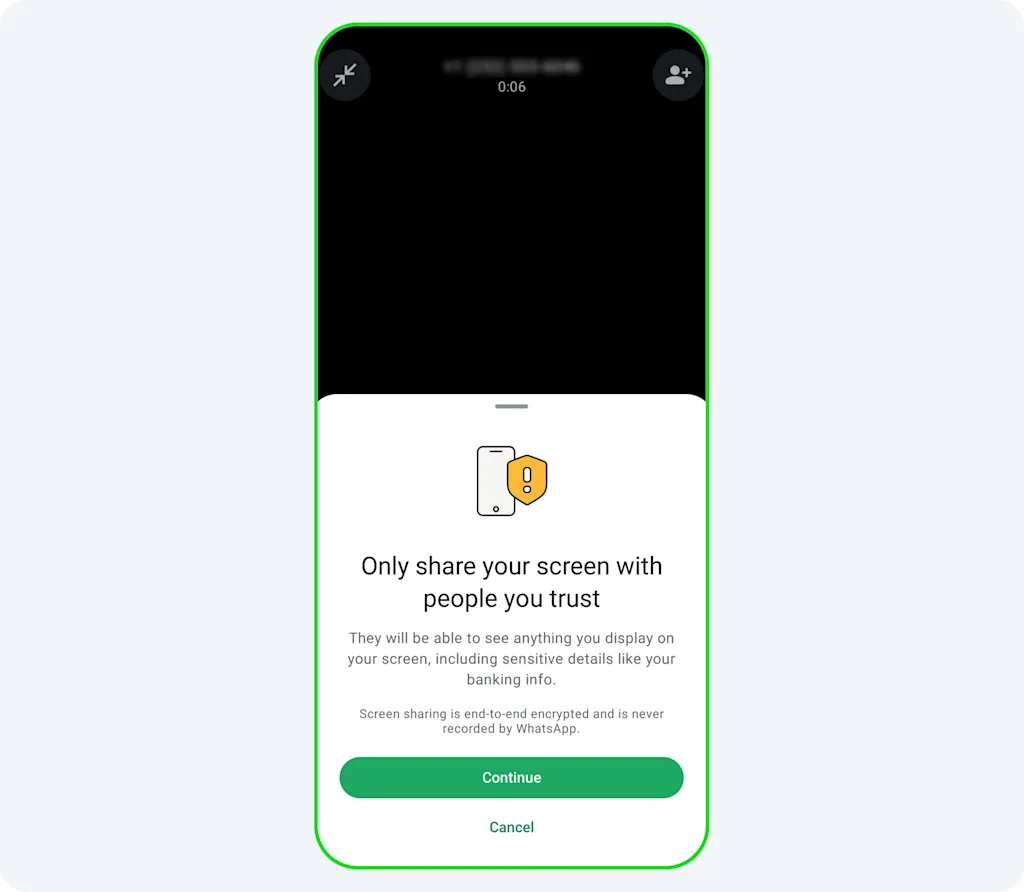
    On the chat app WhatsApp, users who attempt to share their screen with an unknown contact during a video call will get a warning that says “Only share your screen with people you trust.” The pop-up notes that sharing your screen lets those you share it with “see anything you display on your screen, including sensitive details like your banking info.”

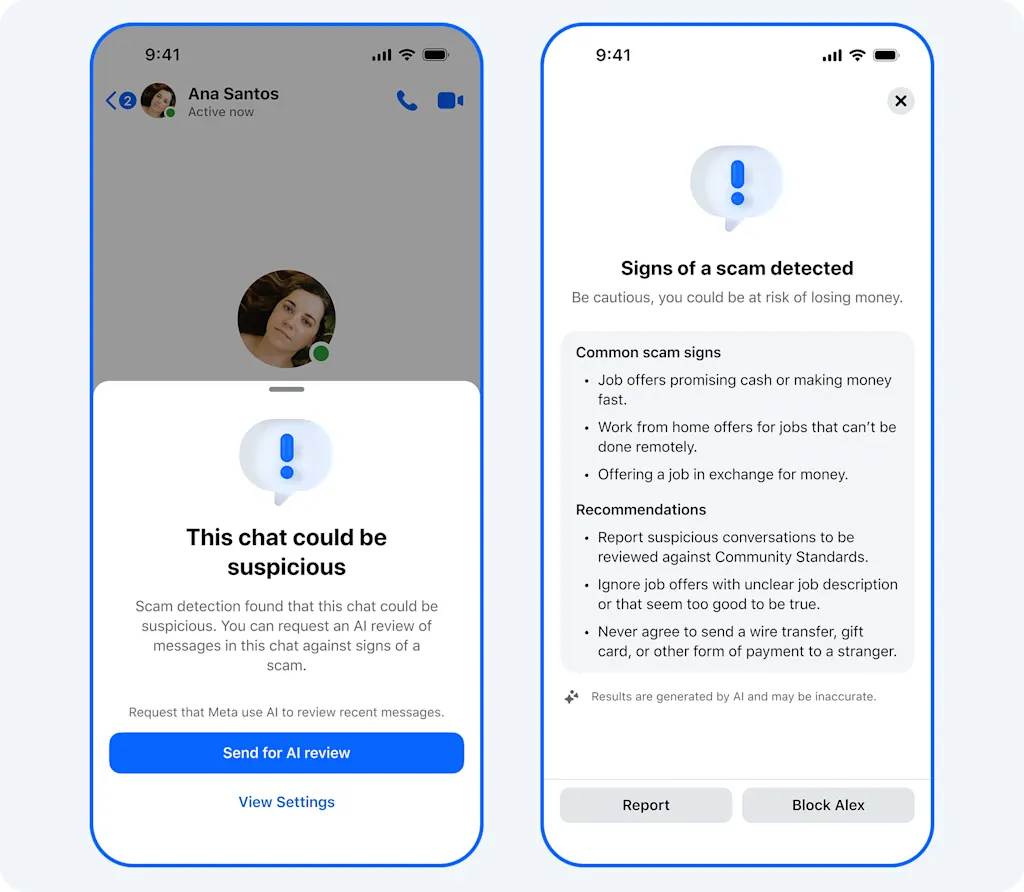
    On Messenger, Meta says it’s testing more advanced scam detection in chats. The company says that when scam detection is enabled, suspicious chats will trigger a warning that prompts users to request an AI review, which will explain why the message was flagged, plus provide tips for staying safe online. The feature can be toggled off or on by going to privacy and safety settings and tapping scam detection.
    [Image: Meta]

    An example AI review Meta shared of a flagged suspicious message notes “common scam signs” such as job offers promising fast cash or the ability to work from home for a job that can’t be done remotely. The AI review goes on to suggest the recipient of the message ignore job offers that seem too good to be true and never agree to send gift cards, a wire transfer, or other forms of payment to a stranger. That includes strangers who are famous.

    Scamming is on the rise

    Scammers have faked the likenesses of public figures such as Taylor Swift to make it appear as if the pop star is promoting a cookware set giveaway, and actors like Helen Mirren and Jamie Lee Curtis have in recent months warned fans about scammers using their likeness on Instagram.

    Meta, which was hit this month with a class-action lawsuit that alleges it profits off of impersonation scam ads, announced it’s investing in cracking down on celebrity scams in the EU, U.K., and South Korea by using facial ID technology and AI.
    [Image: Meta]

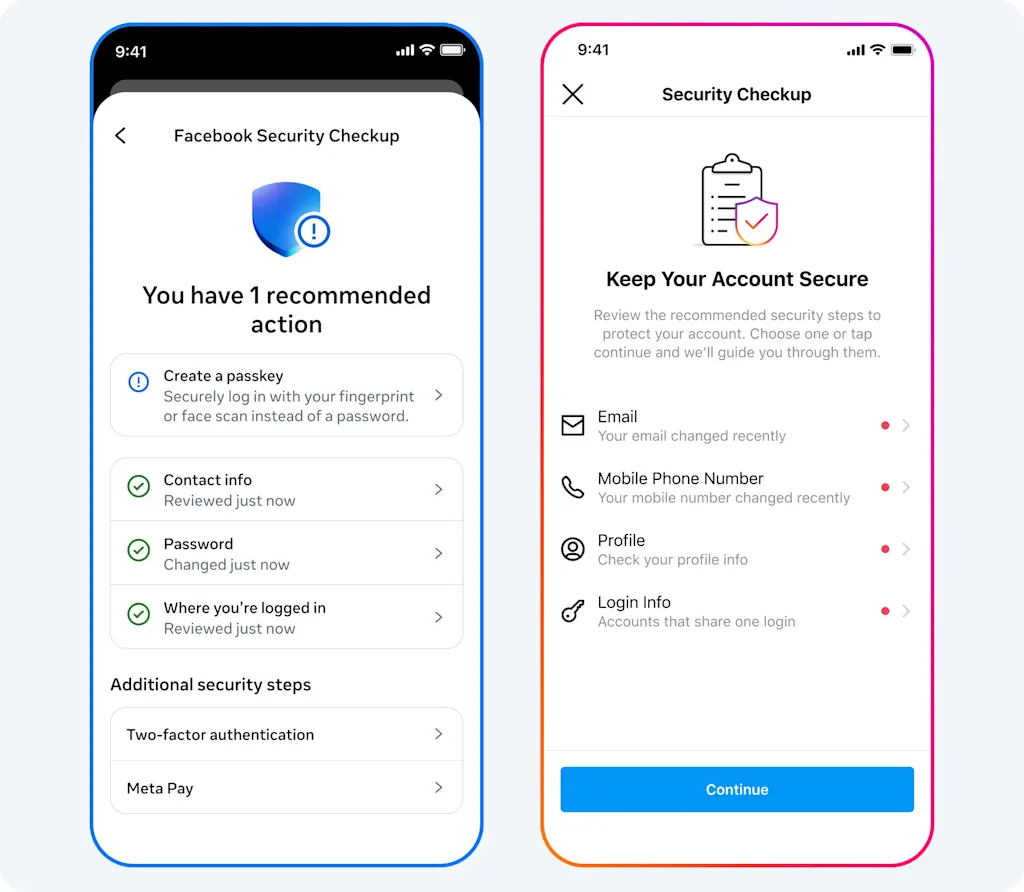
    Online scams are a real problem for Meta and other companies. Meta says since the start of year, it’s disrupted nearly 8 million Facebook and Instagram accounts associated with criminal scam centers, and these and other scams have proven costly for victims.

    According to the FBI’s Internet Crime Report, in 2024 people ages 60 and older lost a total of $4.8 billion to fraud—more than any other group. That’s up from more than $3 billion in 2023.

    Best practice for designing digital products for an aging population often calls for features like bigger fonts and intuitive design, but it also means making it safe from scammers and fraudsters who target older individuals.

    As Meta attempts to shore up online safety for young people by launching teen accounts with heightened parental controls, it’s clear the company also has work to do for its users at the other end of the age spectrum.


    Source link

    Share. Facebook Twitter Pinterest LinkedIn Tumblr Email

    Related Posts

    28-Year-Old’s Side Hustle Hit $125K in Year 1: More Than Matcha

    November 12, 2026

    How to Speak Honestly at Work Without Derailing Your Career

    November 12, 2026

    Silicon Valley Doesn’t Have a Monopoly on Startup Wisdom

    November 12, 2026
    Top News

    CEO of this $4 billion homebuilder says Sun Belt new home prices are down more than headlines suggest

    By Staff WriterJuly 27, 2026

    Want more housing market stories from Lance Lambert’s ResiClub in your inbox? Subscribe to the…

    Managing AI has become its own job

    April 4, 2026

    This free website is like Wikipedia meets the CIA

    May 2, 2026

    Psychological safety is the first step. Most companies forget the second

    March 25, 2026
    Top Trending

    28-Year-Old’s Side Hustle Hit $125K in Year 1: More Than Matcha

    By Staff WriterNovember 12, 2026

    Key Takeaways Goldwasser leveraged her marketing and consulting experience to build More…

    How to Speak Honestly at Work Without Derailing Your Career

    By Staff WriterNovember 12, 2026

    Key Takeaways There’s such a thing as being too honest in the…

    Silicon Valley Doesn’t Have a Monopoly on Startup Wisdom

    By Staff WriterNovember 12, 2026

    Opinions expressed by Entrepreneur contributors are their own. Key Takeaways Founders in…

    Categories
    • Business
    • Economy
    • Headline News
    • Top News
    • US Politics
    • World Politics
    About us

    The Populist Bulletin serves as a beacon for the populist movement, which champions the interests of ordinary citizens over the agendas of the powerful and entrenched elitists. Rooted in the belief that the voices of everyday workers, families, and communities are often drowned out by powerful people and institutions, it delivers straightforward, unfiltered, compelling, relatable stories that resonate with the values of the American public.

    The Populist Bulletin was founded with a fervent commitment to inform, inspire, empower and spark meaningful conversations about the economy, business, politics, inequality, government accountability and overreach, globalization, and the preservation of American cultural heritage.

    The site offers a dynamic mix of investigative journalism, opinion editorials, and viral content that amplify populist sentiments and deliver stories that echo the concerns of everyday Americans while boldly challenging mainstream narratives that serve the privileged few.

    Top Picks

    28-Year-Old’s Side Hustle Hit $125K in Year 1: More Than Matcha

    November 12, 2026

    How to Speak Honestly at Work Without Derailing Your Career

    November 12, 2026

    Silicon Valley Doesn’t Have a Monopoly on Startup Wisdom

    November 12, 2026
    Categories
    • Business
    • Economy
    • Headline News
    • Top News
    • US Politics
    • World Politics
    Copyright © 2025 Populist Bulletin. All Rights Reserved.

    Type above and press Enter to search. Press Esc to cancel.