
Opinions expressed by Entrepreneur contributors are their own.
Key Takeaways
- Meta’s Muse is an AI agent that doesn’t just answer questions but acts on them, which means a machine may be sizing up your brand before a customer ever does.u003cbru003e
- Brands that keep their product data clean, consistent and backed by real third-party evidence will be the ones an agent is willing to recommend.u003cbru003e
- Waiting for an official “agent advertising” product is a mistake, because the groundwork for being agent-ready can and should start now.
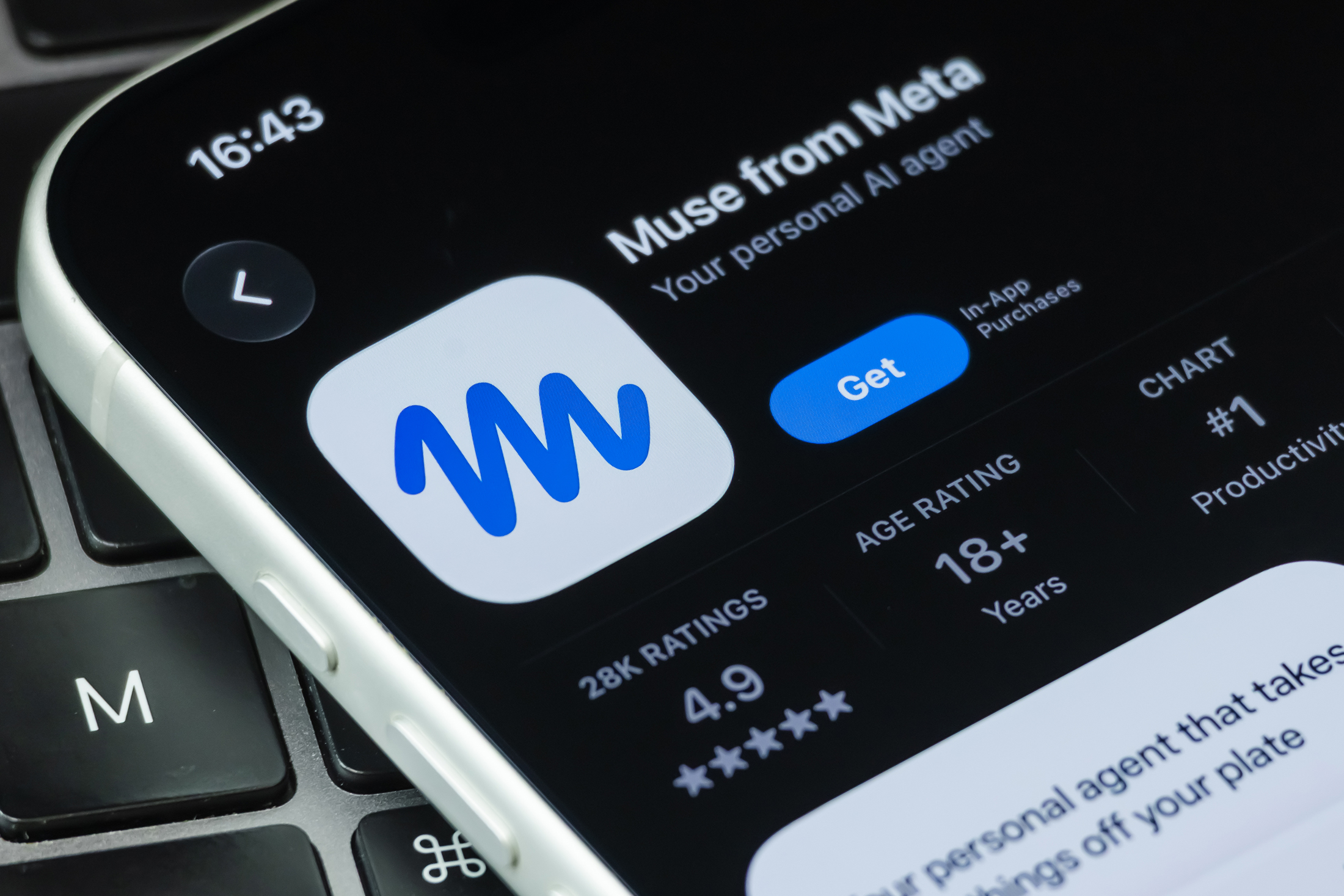
Muse is a task-executing personal AI agent. In Meta’s launch announcement, the company said it can send emails, book travel, fill out forms, make purchases and keep working after the app closes. Users choose which services it can access through a dedicated virtual machine. The premise is simple: tell Muse what needs to be done, and it takes action.
That changes the strategic question for marketers. Leaders now need to ask… “Will the systems acting for the customer understand, trust and recommend us?”
I have seen this shift before. Earlier in my career, search was new enough that many companies treated it as a channel to test. The businesses that moved early built around search infrastructure and understood that visibility meant becoming findable when intent was present. Muse feels like another infrastructure moment. This time, the interface can act.
Meta is moving quickly. At Meta Connect, the company said Muse would expand to AI glasses, computer use, email and commerce connectors. Days later, TechCrunch reported that Meta was extending Muse to small businesses and connecting it to Slack, Canva, QuickBooks, Notion and Meta ad accounts.
That combination matters, as Muse is being built into places where people communicate, shop, work, and manage daily life. Meta is connecting recommendation to transaction, letting an agent carry a user’s intent forward instead of sending them through disconnected searches, sites and checkouts.
Hardware makes the strategy tangible. The Muse Charm, a small keychain announced for December, gives the agent a physical presence in daily routines. One sharp reaction captured the appeal: Meta is making a powerful system easy to carry. Distribution often begins with habit. Products that win become part of the environment around a decision.
The rollout points to a broader distribution strategy. Meta already owns enormous reach and now wants more of the decision layer between a person’s goal and the action that follows. That is a larger opportunity than another ad in another feed because the agent may influence what gets considered, compared and purchased.
Early numbers explain the urgency. Digiday’s analysis reported 730,000 U.S. downloads in five days, a $243 billion advertising business, and 2026 AI capital expenditure guidance of $135 billion to $145 billion. Meta needs new products to create value on that investment. Muse could open paths through subscriptions, commerce, business software and sponsored discovery.
AI is already showing up in my work as a source of inbound interest and research. That has changed client conversations. They still ask about reach, traffic and conversion, but also whether AI platforms understand what they sell, describe it accurately, cite credible sources and recommend them in high-intent moments.
Three things to fix before an agent evaluates you
Leaders do not need to predict where Meta will place an ad. Meta says Muse keeps user conversations and virtual-machine data separate from its ad systems, while emphasizing subscriptions, permissions and commerce. Brands do need to prepare for an environment in which an agent may evaluate them before a person sees them. The practical work falls into three areas.
First, make the brand legible to machines. Product information, pricing, policies, reviews, shipping details, availability and differentiators should be accurate, current, structured and easy to interpret. A beautiful campaign cannot compensate for conflicting facts across your site, marketplace listings, social profiles and customer-service content. If an agent is assembling an answer or completing a task, ambiguity becomes friction.
Second, invest in evidence alongside exposure. An agent needs signals that a brand delivers what it promises. Third-party coverage, credible reviews, expert commentary, customer outcomes, and consistent product data all become more valuable. Reputation is becoming a core input to performance, especially when a recommendation carries more weight than a display impression.
Third, rethink paid media. Reach still matters, but brands also need to understand how campaigns shape search behavior, reviews, creator conversations, product feeds and the data environments agents use to make decisions. Awareness, authority and action belong in the same plan. The media team, communications team and commerce team should be looking at the same customer journey.
Permission is the new attention
Trust will determine how far this goes. Facebook and Instagram ask for attention. Meanwhile, an agent asks for permission to act. People may allow Muse to read an inbox, compare products or complete a purchase only if the value is obvious and the boundaries are clear. Meta has to earn that authority before building a business around it.
Brands should be equally explicit. Explain what data you collect, how personalization works and when a recommendation is sponsored. If an agent detects that your brand is hiding the ball, it may remove you from consideration.
The most forward-thinking leaders will not wait for an official “agent advertising” product to appear. They will start building an agent-ready brand now: technically clear, commercially useful, independently validated and consistent wherever customers and their tools encounter it.
Muse may become a major business for Meta. Its bigger impact will be felt across marketing. The advantage will come from earning the recommendation when the customer is no longer making every decision alone.
Key Takeaways
- Meta’s Muse is an AI agent that doesn’t just answer questions but acts on them, which means a machine may be sizing up your brand before a customer ever does.u003cbru003e
- Brands that keep their product data clean, consistent and backed by real third-party evidence will be the ones an agent is willing to recommend.u003cbru003e
- Waiting for an official “agent advertising” product is a mistake, because the groundwork for being agent-ready can and should start now.
Muse is a task-executing personal AI agent. In Meta’s launch announcement, the company said it can send emails, book travel, fill out forms, make purchases and keep working after the app closes. Users choose which services it can access through a dedicated virtual machine. The premise is simple: tell Muse what needs to be done, and it takes action.
That changes the strategic question for marketers. Leaders now need to ask… “Will the systems acting for the customer understand, trust and recommend us?”
I have seen this shift before. Earlier in my career, search was new enough that many companies treated it as a channel to test. The businesses that moved early built around search infrastructure and understood that visibility meant becoming findable when intent was present. Muse feels like another infrastructure moment. This time, the interface can act.