Close Menu
    Facebook X (Twitter) Instagram
    TRENDING :
    • Apple Watch Saves Cincinnati Man After He Collapsed at His Home
    • 12,000 pounds of bacon recalled as USDA slaps product with dreaded ‘Class 1’ designation. Is that serious?
    • South Korea’s Kospi stock index is falling: Why AI chipmakers SK Hynix and Samsung are facing investor jitters
    • The powerful branding trick Guinness, Corona, and Spotify all share
    • Duffy’s ‘DEI bike lanes’ comment politicizes urban design. The policy won’t make roads faster
    • Resy Founder Reveals His Secret to Customer Loyalty
    • What to Do When You Feel Stuck in Your Career
    • The Dark Side Of Washington – Money Before Country
    Compatriot Chronicle
    • Home
    • US Politics
    • World Politics
    • Economy
    • Business
    • Headline News
    Compatriot Chronicle
    Home»Economy»New Homeland Security Secretary Cracks Down On Sanctuary Cities
    Economy

    New Homeland Security Secretary Cracks Down On Sanctuary Cities

    April 13, 20263 Mins Read
    Share Facebook Twitter Pinterest LinkedIn Tumblr Telegram Email Copy Link
    Follow Us
    Google News Flipboard
    Share
    Facebook Twitter LinkedIn Pinterest Email


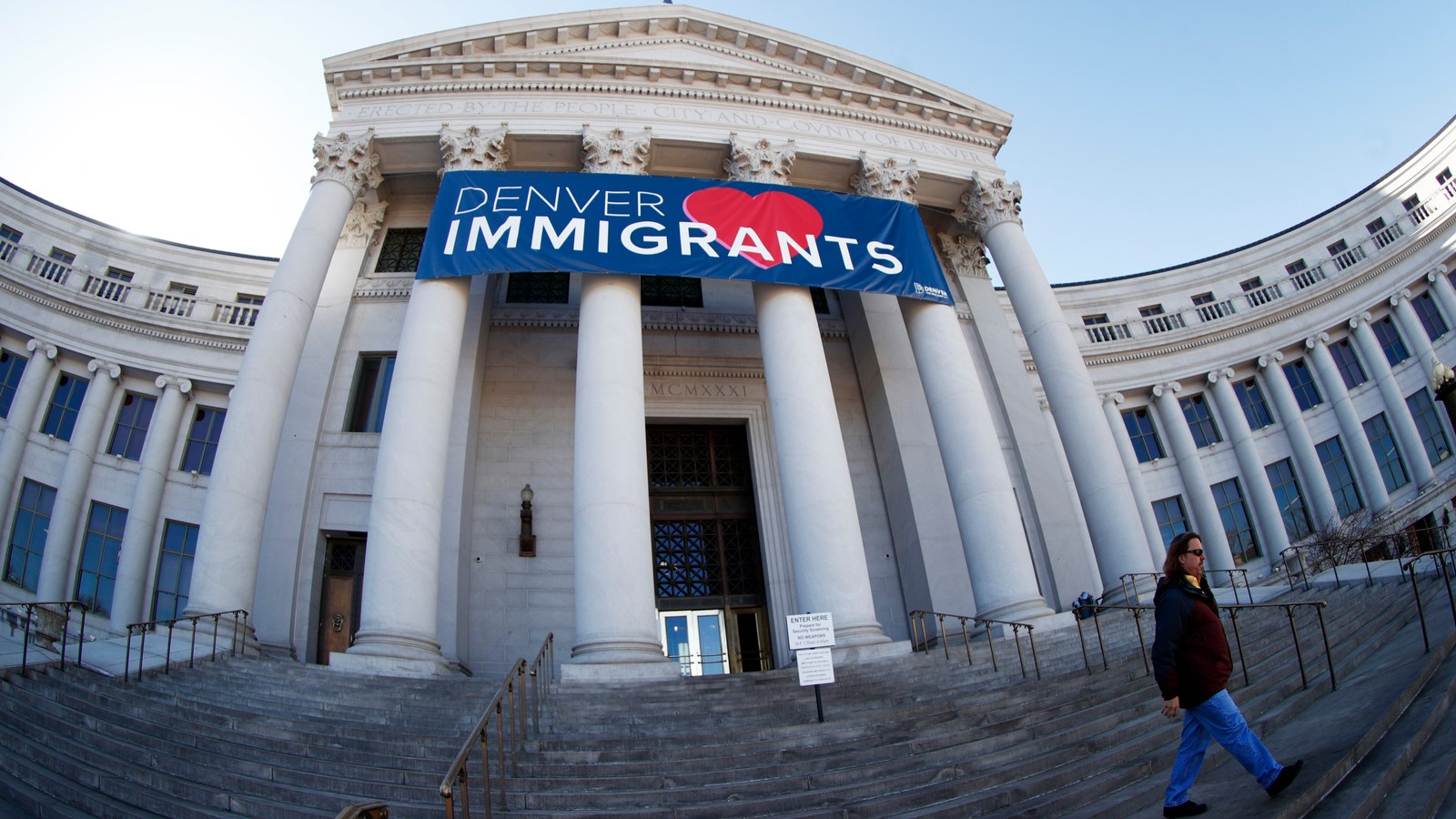
    What we are now witnessing with sanctuary cities is not simply a political disagreement, it is the breakdown of the rule of law at the structural level. The federal government is now openly questioning whether it should continue providing core services, including customs processing at international airports, to cities that refuse to comply with federal immigration law.

    Homeland Security Secretary Markwayne Mullin has made that position clear in direct terms, stating, “If they are a sanctuary city, should they really be processing customs into their city?” and further pressing the issue by pointing out the contradiction, “If they’re a sanctuary city and they’re receiving international flights… but once they walk out of the airport, they’re not going to enforce immigration policy?”

    Sanctuary cities are, by definition, jurisdictions that limit cooperation with federal enforcement, effectively creating a dual system of governance within the same country. Once you reach that point, you are no longer dealing with a unified legal framework, you are dealing with fragmentation.

    Mullin has also made it clear that the federal government is being forced into difficult decisions, stating that “we’re going to have to start prioritizing things at some point” as funding battles intensify. That statement is critical because it signals a shift from negotiation to enforcement.

    This is precisely the type of breakdown that unfolds during periods of broader systemic stress. The sovereign debt crisis, rising geopolitical tensions, and internal political divisions are all converging at the same time, and governments respond to that pressure by attempting to reassert control.

    Sanctuary cities represent a direct challenge to that control, and the response is now escalating accordingly. The implications extend far beyond immigration because once the federal government begins selectively withdrawing services, whether it is funding, enforcement, or infrastructure support, it creates a chain reaction. Major cities like New York, Los Angeles, Chicago, and San Francisco are not isolated municipalities, they are economic hubs that handle millions of international travelers and billions in trade. Any disruption to customs operations alone would ripple through tourism, supply chains, and business activity, amplifying economic pressure at a time when the system is already under strain.

    This is where the situation becomes dangerous because it introduces a new layer of uncertainty into the economy. Businesses and capital do not respond well to fragmented legal systems or political conflict between levels of government. Capital flows toward stability, and when stability is questioned, it begins to move. That is the core principle that has driven every major financial shift throughout history.

    What Mullin has effectively done is put consequences on the table. For years, sanctuary cities have operated with limited federal pushback, but that appears to be changing. Once consequences are introduced, whether through funding cuts, service withdrawal, or legal action, the dynamic shifts entirely. Cities are forced to choose between maintaining their policies or preserving access to federal resources, and that is where the real conflict begins.

    This is no longer about immigration alone. It is about who governs and enforces, and whether a nation can function with competing systems of authority.


    Source link

    Share. Facebook Twitter Pinterest LinkedIn Tumblr Email

    Related Posts

    The Dark Side Of Washington – Money Before Country

    July 29, 2026

    Garbage Trucks Surveillance Florida Neighborhoods

    July 29, 2026

    The Student Loan Crisis Is Exploding

    July 29, 2026
    Top News

    U.S. jobless claims drop to 226,000 as unemployment rate stays at a historically low 4.3%

    By Staff WriterJune 18, 2026

    The number of Americans applying for jobless aid fell modestly last week as layoffs remained…

    Spirit Airlines plans a much smaller future as it tries to survive bankruptcy—again

    February 24, 2026

    Neocons Advising Trump Are Destroying America

    March 9, 2026

    How to decide what and how much to share at work

    February 23, 2026
    Top Trending

    Apple Watch Saves Cincinnati Man After He Collapsed at His Home

    By Staff WriterJuly 29, 2026

    Mohammad Islam thought he was coming down with something. A few hours…

    12,000 pounds of bacon recalled as USDA slaps product with dreaded ‘Class 1’ designation. Is that serious?

    By Staff WriterJuly 29, 2026

    Bacon lovers, beware. The USDA’s Food Safety and Inspection Service (FSIS) has…

    South Korea’s Kospi stock index is falling: Why AI chipmakers SK Hynix and Samsung are facing investor jitters

    By Staff WriterJuly 29, 2026

    It’s no secret that investors are getting nervous about AI, leaving chipmakers’…

    Categories
    • Business
    • Economy
    • Headline News
    • Top News
    • US Politics
    • World Politics
    About us

    The Populist Bulletin serves as a beacon for the populist movement, which champions the interests of ordinary citizens over the agendas of the powerful and entrenched elitists. Rooted in the belief that the voices of everyday workers, families, and communities are often drowned out by powerful people and institutions, it delivers straightforward, unfiltered, compelling, relatable stories that resonate with the values of the American public.

    The Populist Bulletin was founded with a fervent commitment to inform, inspire, empower and spark meaningful conversations about the economy, business, politics, inequality, government accountability and overreach, globalization, and the preservation of American cultural heritage.

    The site offers a dynamic mix of investigative journalism, opinion editorials, and viral content that amplify populist sentiments and deliver stories that echo the concerns of everyday Americans while boldly challenging mainstream narratives that serve the privileged few.

    Top Picks

    Apple Watch Saves Cincinnati Man After He Collapsed at His Home

    July 29, 2026

    12,000 pounds of bacon recalled as USDA slaps product with dreaded ‘Class 1’ designation. Is that serious?

    July 29, 2026

    South Korea’s Kospi stock index is falling: Why AI chipmakers SK Hynix and Samsung are facing investor jitters

    July 29, 2026
    Categories
    • Business
    • Economy
    • Headline News
    • Top News
    • US Politics
    • World Politics
    Copyright © 2025 Populist Bulletin. All Rights Reserved.

    Type above and press Enter to search. Press Esc to cancel.