
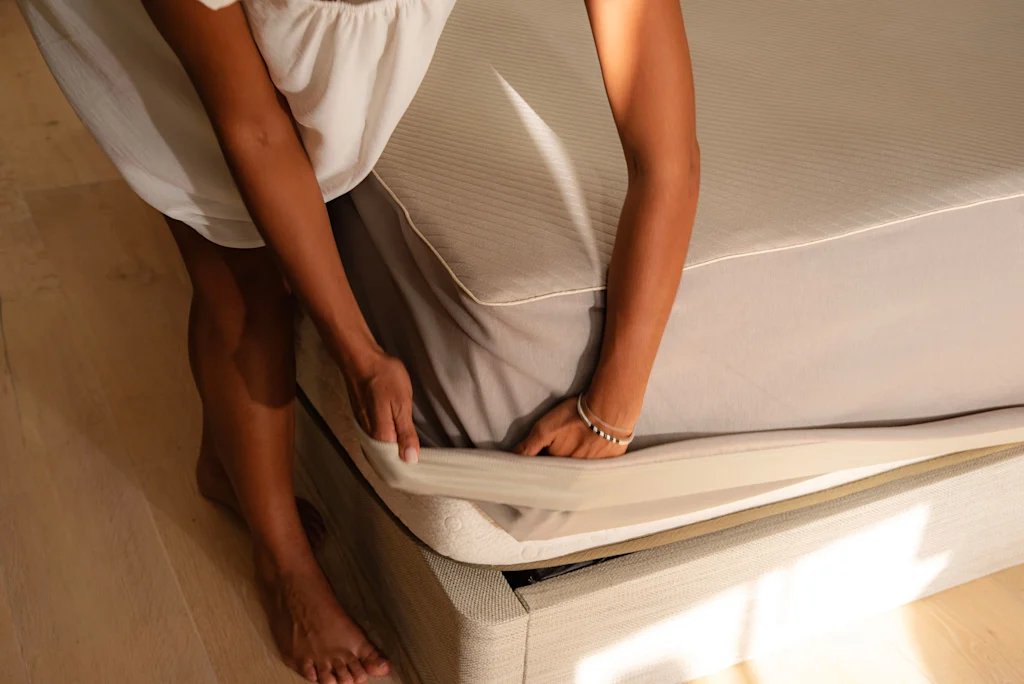
A startup called Orion is ready to take on America’s sleep loss epidemic with a new, AI-enabled mattress cover that can adjust its temperature throughout the night to maximize comfort and rest.
Cofounder and CEO Harry Gestetner previously cofounded the startup Fanfix, which helped Gen Z content creators build paid subscription programs. After the company sold to SuperOrdinary for a reported $65 million, Gestetner says he became interested in sleep and its well-documented links to health and longevity.
“Every longevity expert tells you that sleep is the cornerstone of longevity,” he says.
Gestetner found that most sleep and fitness trackers could detect bad sleep patterns, but they couldn’t directly do anything to help users get a better night’s rest. “All they do is just give you a bunch of data that tells you slept badly,” he says.
And while sleep temperature has been shown to have a significant impact on sleep quality, existing sleep temperature control devices from companies like Eight Sleep were too expensive for many people Gestetner spoke to. Working with his father Daniel Gestetner, himself a serial entrepreneur and Orion’s chairman, Gestetner set out to craft a more affordable alternative—the “Tesla of sleep,” rather than the Ferrari, as he puts it. The company has since raised $10.3 million in venture funding and developed the technology with sleep expert and clinical psychologist Michael Breus, who serves as Orion’s chief sleep officer.
Orion’s technology, unveiled for preorder on October 14, costs users with a queen-sized bed $2,300 up front plus $17 per month for a subscription. The subscription pays for access to Orion’s AI, which can automatically make dozens of temperature adjustments throughout the night to maximize comfort at various phases of sleep, taking into account sensor readings and users’ stated preferences. Buyers can indicate whether they want a firmer or softer cover, with other options in the works, and the equipment typically takes 10 to 15 minutes to install, Gestetner says.
Sensors within the mattress cover can detect factors like body temperature, breathing rate, and heart rate, which allow the AI to optimize its temperature to match natural circadian rhythms, allowing for longer, deeper sleep.
“We can tell, for example, if your body temperature is heating up, your heart rate’s starting to increase, and you’re getting into a lighter and lighter phase of sleep where you might wake up,” says Gestetner. “We can adjust your body temperature back down to keep you in deeper sleep longer and increase your sleep quality.”
The package includes the mattress cover, along with a companion device that can be unobtrusively positioned near the bed or behind a nightstand, where it heats or cools water circulated through the mattress cover.
Unlike waterbeds of yore, notorious for disastrous leaks and often banned from rental apartments, Orion’s mattress cover includes sturdy tubing and a second waterproof layer to prevent spillage, he says. It also only uses about 1.5 liters of water, which can be topped off about twice per year.
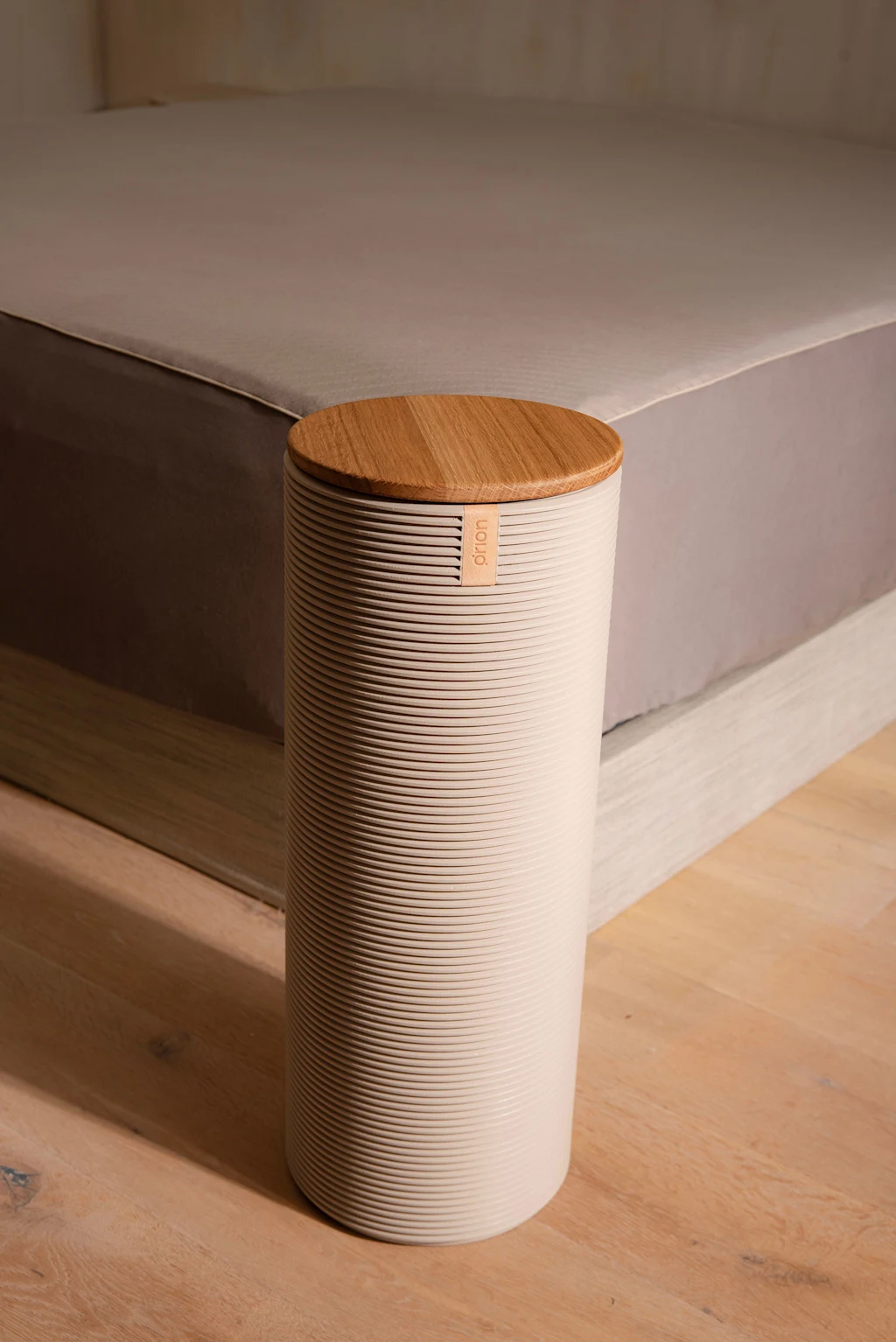
Sensors in the mattress cover help monitor sleep quality and adjust temperature throughout the night. The technology works for couples as well, Gestetner says, avoiding quarrels over settings by maintaining two temperature zones, since many people don’t sleep best at the same temperature as their partner.
“My girlfriend gets very cold at night, and so she likes to set her side very warm,” he says. “I get very hot at night, so I like to set my side very cold, and then I like to wake up very warm.”
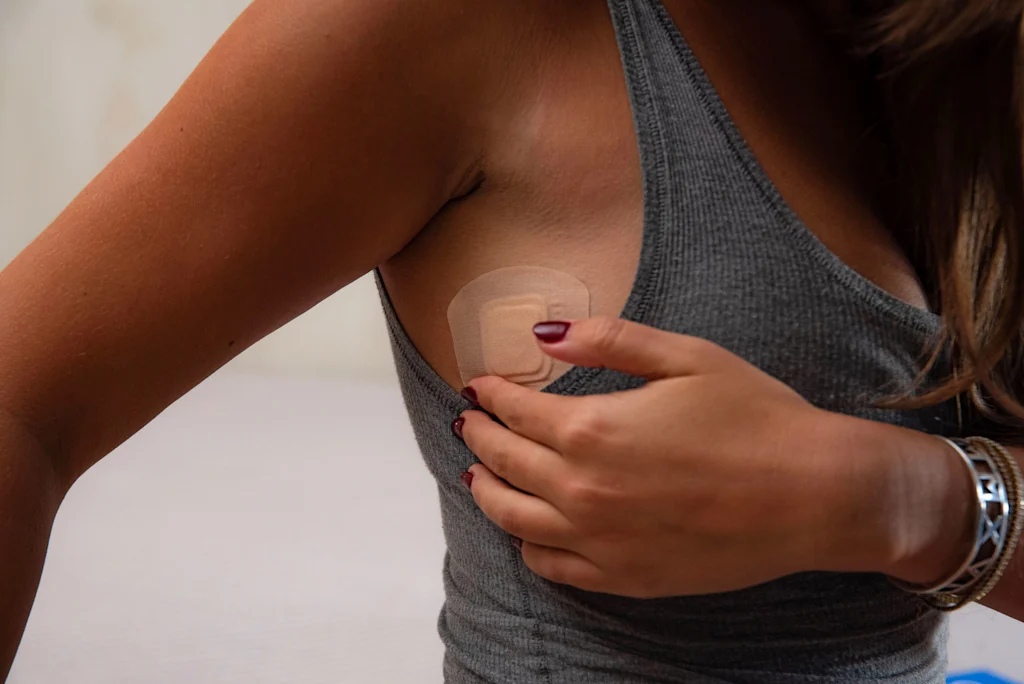
Before Orion’s customers begin using the device, which is expected to ship to preorder customers in December, they typically will do a home sleep test with a disposable wearable sensor, letting Orion observe their sleep patterns. The wearable, which looks similar to a large Band-Aid, lets the company chart their sleep habits and temperatures needs throughout the night.
“We can show you pretty much everything that’s wrong with your sleep on a graph, and then preprogram the Orion device to you based on your data,” Gestetner says.
The wearable isn’t essential, though, and Gestetner says the company already has a deal to place the mattress covers in hotels, where the built-in sensors will be able to help adjust temperatures and let guests get a better night’s sleep.
Other companies have worked to develop AI and sensor technology to optimize other aspects of sleep: Heka offers mattresses that physically adjust to support different body types and changing sleeping positions throughout the night, while Nitetronic produces pillows that detect snoring and inflate to adjust the user’s head position and keep airways clear. A Tempur-Pedic bed base with adjustable contours can even alter its position during the night in response to snoring.
But while many smart sleep devices can be fairly pricy, Orion aims to develop more affordable versions of its product, which could be available in the future for as little as $500, thanks in part to Daniel Gestetner’s manufacturing experience. Harry Gestetner envisions the product could appeal to any of the millions of people already tracking health and sleep stats with smartwatches and other wearables. The company is also about to participate in a formal clinical study, and Gestetner imagines that users will also amass concrete data to confirm the technology improves their sleep.
“As people use the product, they should see improvements in their sleep data, which should be pretty undeniable,” he says.