Close Menu
    Facebook X (Twitter) Instagram
    TRENDING :
    • Airlines scramble after UK air traffic control system failure cancels 2,000 flights
    • Entrepreneurs Don’t Need More AI Access. They Need Ownership.
    • How He Broke Planet Fitness’s 10-Year Franchisee Freeze
    • ‘Jeopardy!’ Will Pay You $178,000 to Write Clues
    • Is it better to be a good follower or a bad leader?
    • The Arrogance Of Bessent | Armstrong Economics
    • Rick Owens, Kelly Wearstler, and Playlab just redefined the chair
    • 12 signs you’re becoming irrelevant at work (and what to do about it)
    Compatriot Chronicle
    • Home
    • US Politics
    • World Politics
    • Economy
    • Business
    • Headline News
    Compatriot Chronicle
    Home»Business»Pre-owned electronics are making a comeback
    Business

    Pre-owned electronics are making a comeback

    December 12, 20253 Mins Read
    Share Facebook Twitter Pinterest LinkedIn Tumblr Telegram Email Copy Link
    Follow Us
    Google News Flipboard
    Share
    Facebook Twitter LinkedIn Pinterest Email

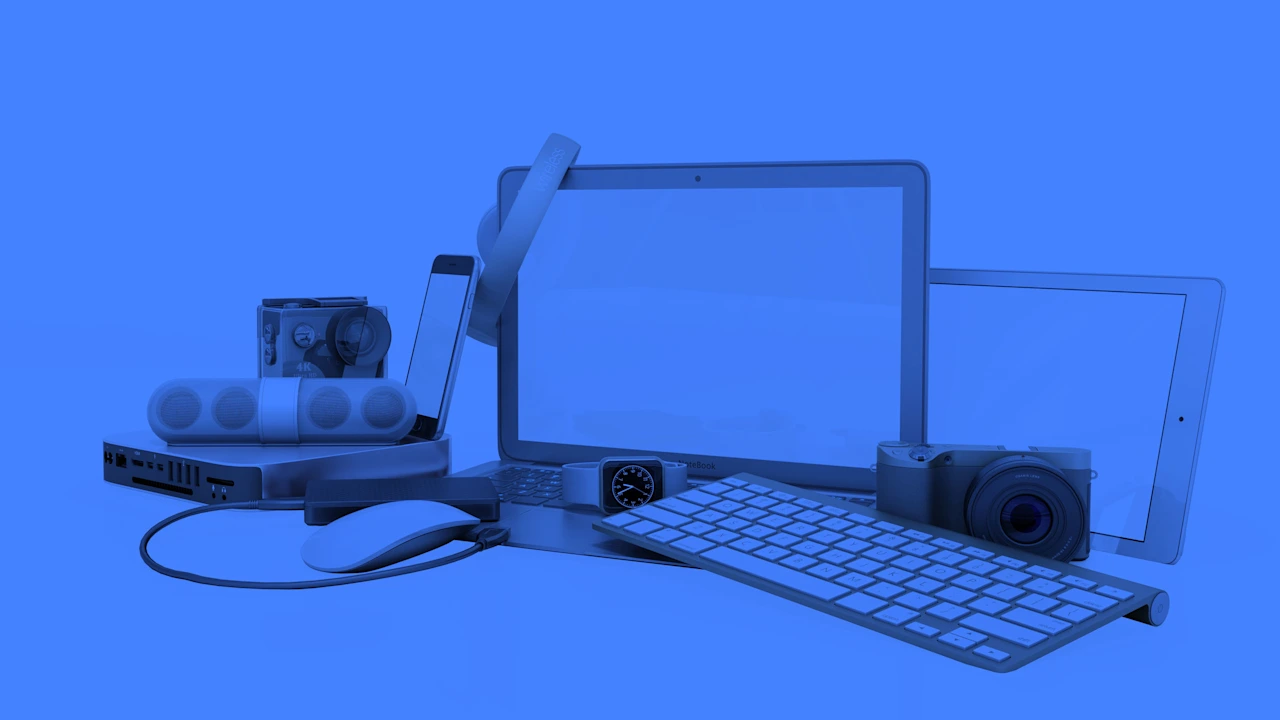
    Electronic gifts are very popular, and in recent years, retailers have been offering significant discounts on smartphones, e-readers, and other electronics labeled as “pre-owned.” Research I have co-led finds that these pre-owned options are becoming increasingly viable, thanks in part to laws and policies that encourage recycling and reuse of devices that might previously have been thrown away.

    Amazon, Walmart, and Best Buy have dedicated pages on their websites for pre-owned devices. Manufacturers like Apple and Dell, as well as mobile service providers like AT&T and Verizon, offer their own options for customers to buy used items. Their sales rely on the availability of a large volume of used products, which are supplied by the emergence of an entire line of businesses that process used, discarded, or returned electronics.

    Those developments are some of the results of widespread innovations across the electronics industry that supply chain researcher Suresh Muthulingam and I have linked to California’s Electronic Waste Recycling Act, passed in 2003.

    Recycling innovation

    Originally intended to reduce the amount of electronic waste flowing into the state’s landfills, California’s law did far more, unleashing a wave of innovation, our analysis found.

    We analyzed the patent-filing activity of hundreds of electronics firms over a 17-year time span from 1996 to 2012. We found that the passage of California’s law not only prompted electronics manufacturers to engage in sustainability-focused innovation, but it also sparked a surge in general innovation around products, processes, and techniques.

    Faced with new regulations, electronics manufacturers and suppliers didn’t just make small adjustments, such as tweaking their packaging to ensure compliance. They fundamentally rethought their design and manufacturing processes to create products that use recycled materials and that are easily recyclable themselves.

    For example, Samsung’s Galaxy S25 smartphone is a new product that, when released in May 2025, was made of eight different recycled materials, including aluminum, neodymium, steel, plastics, and fiber.

    Combined with advanced recycling technologies and processes, these materials can be recovered and reused several times in new devices and products. For example, Apple invented the Daisy Robot, which disassembles old iPhones in a matter of seconds and recovers a variety of precious metals, including copper and gold. These materials, which would otherwise have to be mined from rock, are reused in Apple’s manufacturing process for new iPhones and iPads.

    How do consumers benefit?

    In the past two decades, 25 U.S. states and Washington D.C. have passed laws requiring electronics recycling and refurbishing, the process of restoring a pre-owned electronic device so that it can function like new.

    The establishment of industry guidelines and standards also means that all pre-owned devices are thoroughly tested for functionality and cosmetic appearance before resale.

    Companies’ deeper engagement with innovation appears to have created organizational momentum that carried over into other areas of product development. For example, in our study, we found that the passage of California’s law directly resulted in a flurry of patents related to semiconductor materials, data storage, and battery technology, among others. These scientific advances have made devices more durable, repairable, and recyclable.

    For the average consumer, the recycling laws and the resulting industry responses mean used electronics are available with similar reliability, warranties, and return policies as new devices—and at prices as much as 50% lower.

    Suvrat Dhanorkar is an associate professor of operations management at Georgia Institute of Technology.

    This article is republished from The Conversation under a Creative Commons license. Read the original article.


    Source link

    Share. Facebook Twitter Pinterest LinkedIn Tumblr Email

    Related Posts

    Airlines scramble after UK air traffic control system failure cancels 2,000 flights

    September 9, 2026

    Entrepreneurs Don’t Need More AI Access. They Need Ownership.

    September 9, 2026

    How He Broke Planet Fitness’s 10-Year Franchisee Freeze

    September 9, 2026
    Top News

    How to watch the 2026 Golden Globe Awards live without cable, including free options

    By Staff WriterJanuary 11, 2026

    Just four days into the new year, awards season kicked off with the Critics Choice…

    Bad news: Your pets may be ruining your sleep

    March 26, 2026

    Why Fewer Clicks Might Mean Better Marketing

    July 24, 2026

    Armstrong Code – Sold Out On Amazon

    December 18, 2025
    Top Trending

    Airlines scramble after UK air traffic control system failure cancels 2,000 flights

    By Staff WriterSeptember 9, 2026

    Airlines scrambled Wednesday to dig out of the backlog triggered by technical…

    Entrepreneurs Don’t Need More AI Access. They Need Ownership.

    By Staff WriterSeptember 9, 2026

    Opinions expressed by Entrepreneur contributors are their own. Key Takeaways AI agency…

    How He Broke Planet Fitness’s 10-Year Franchisee Freeze

    By Staff WriterSeptember 9, 2026

    For more than ten years, the only way into the Planet Fitness…

    Categories
    • Business
    • Economy
    • Headline News
    • Top News
    • US Politics
    • World Politics
    About us

    The Populist Bulletin serves as a beacon for the populist movement, which champions the interests of ordinary citizens over the agendas of the powerful and entrenched elitists. Rooted in the belief that the voices of everyday workers, families, and communities are often drowned out by powerful people and institutions, it delivers straightforward, unfiltered, compelling, relatable stories that resonate with the values of the American public.

    The Populist Bulletin was founded with a fervent commitment to inform, inspire, empower and spark meaningful conversations about the economy, business, politics, inequality, government accountability and overreach, globalization, and the preservation of American cultural heritage.

    The site offers a dynamic mix of investigative journalism, opinion editorials, and viral content that amplify populist sentiments and deliver stories that echo the concerns of everyday Americans while boldly challenging mainstream narratives that serve the privileged few.

    Top Picks

    Airlines scramble after UK air traffic control system failure cancels 2,000 flights

    September 9, 2026

    Entrepreneurs Don’t Need More AI Access. They Need Ownership.

    September 9, 2026

    How He Broke Planet Fitness’s 10-Year Franchisee Freeze

    September 9, 2026
    Categories
    • Business
    • Economy
    • Headline News
    • Top News
    • US Politics
    • World Politics
    Copyright © 2025 Populist Bulletin. All Rights Reserved.

    Type above and press Enter to search. Press Esc to cancel.