Close Menu
    Facebook X (Twitter) Instagram
    TRENDING :
    • How Business Growth Can Damage Customer Experience
    • What Is a Business Tax Program and How Can It Benefit You?
    • Infiltration Instead Of Invasion | Armstrong Economics
    • What Are 6 Month Loans and How Do They Work?
    • How flexible funding can help communities and people thrive
    • Madrid is electric with World Cup energy
    • National Ice Cream Day freebies and deals: See a list of the best places to score a scoop today
    • Iran – The Leak & Who Done It
    Compatriot Chronicle
    • Home
    • US Politics
    • World Politics
    • Economy
    • Business
    • Headline News
    Compatriot Chronicle
    Home»Business»Starbucks is asking workers to move to Nashville. It’s not going well
    Business

    Starbucks is asking workers to move to Nashville. It’s not going well

    April 22, 20264 Mins Read
    Share Facebook Twitter Pinterest LinkedIn Tumblr Telegram Email Copy Link
    Follow Us
    Google News Flipboard
    Share
    Facebook Twitter LinkedIn Pinterest Email

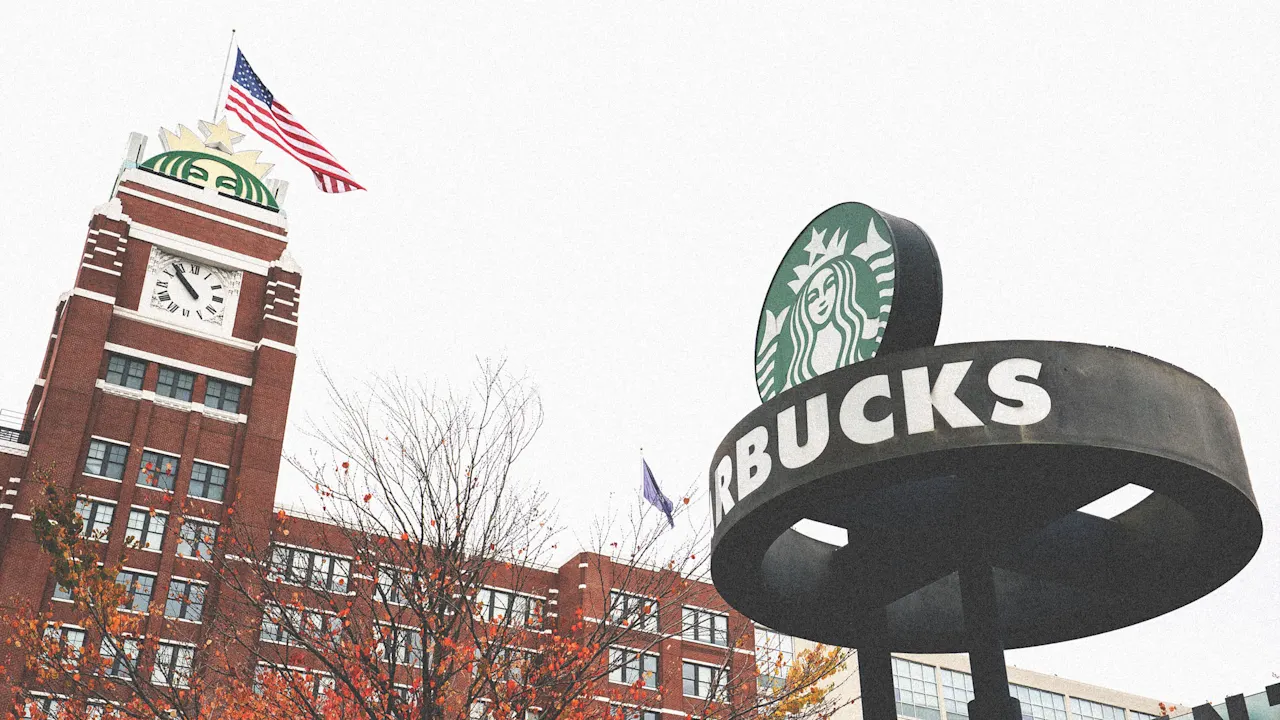
    This week, Starbucks unveiled plans to open an office in Nashville, in a bid to establish a home base in the Southeast. The coffee giant is investing $100 million into this expansion and plans to staff the new office with thousands of workers within the next five years. But according to a new Bloomberg report, Starbucks has had little success coaxing employees to relocate from the company’s headquarters in Seattle. 

    Starbucks eventually plans to have about 2,000 employees based in Nashville. In a letter to employees that was also posted publicly, chief partner officer Sara Kelly disclosed that the Nashville office would be staffed with some new hires—but that certain teams would be asked to relocate from Seattle, including a number of tech roles. 

    But so far, the company has apparently struggled to convince existing employees to move: Bloomberg reports that in March, the 100-person sourcing team at Starbucks was given the option to either relocate with a pay cut, or give up their jobs. (They were initially given less than a month to make a decision, according to the report.) Employees were not enthusiastic about the offer, and the situation has reportedly impacted morale and trust among team members.

    Starbucks has also tried to persuade other employees to move with financial incentives—from stock grants worth tens of thousands of dollars to a $2,000 travel stipend for anyone entertaining the offer who wanted to visit Nashville. (When reached by Fast Company, Starbucks was not immediately available for comment.)

    Starbucks leadership did not explicitly acknowledge this reticence in the public memo. “We are excited about this phase of growth for our talent and the company,” Kelly wrote. “We also recognize that announcements like this can raise questions. We’re committed to communicating as decisions are made in the next couple of months and will keep you updated so you have the facts and hear updates directly from Starbucks.”

    The company also cited “proximity to key suppliers” and “access to a deep and growing talent pool in the region” as the rationale for opening the new office, along with future plans to open new locations. 

    If this messaging sounds familiar, that’s because it is not unlike the approach some companies took when they asked employees to return to the office in the years after the pandemic. Many major employers, from Amazon to JPMorgan Chase, expected people to come back into the office multiple days a week, with few exceptions, even in cases where they had relocated in the intervening years. Starbucks itself had mandated that employees work out of either Seattle or Toronto (though CEO Brian Niccol had initially commuted to work via private jet).

    Other employers, like Walmart, have also forced workers to not only return to the office, but relocate entirely to another state. In 2024, the company asked thousands of workers in smaller offices to relocate to Walmart’s corporate headquarters in Bentonville, Arkansas, where a new 350-acre campus was being constructed. The move was reportedly met with reluctance when it was first proposed, not unlike the reaction elicited from Starbucks employees. (Walmart has since claimed that most employees ultimately agreed to move rather than leave the company.) 

    It’s hardly surprising that workers might be resistant to this kind of upheaval. In the last few years, many people uprooted their lives to comply with return-to-work policies, only to get laid off not long after, as companies started making significant cuts to their head count. And as employers double down on AI—and use it as an excuse to cut more jobs—workers are likely to continue pushing back on requests for them to relocate with little notice.


    Source link

    Share. Facebook Twitter Pinterest LinkedIn Tumblr Email

    Related Posts

    How Business Growth Can Damage Customer Experience

    July 19, 2026

    What Is a Business Tax Program and How Can It Benefit You?

    July 19, 2026

    What Are 6 Month Loans and How Do They Work?

    July 19, 2026
    Top News

    Airlines are preparing for major disruptions this weekend—here’s how to benefit from it

    By Staff WriterJanuary 22, 2026

    If you have travel plans this weekend and don’t necessarily need to travel, you may…

    New Gary Sinise Film Will Donate Big Portion of Profits to Veterans Groups

    August 19, 2025

    Trump administration seeks equity stake in miner Lithium Americas, sends shares soaring

    September 24, 2025

    Market Talk – June 24, 2026

    June 24, 2026
    Top Trending

    How Business Growth Can Damage Customer Experience

    By Staff WriterJuly 19, 2026

    Opinions expressed by Entrepreneur contributors are their own. Key Takeaways The most…

    What Is a Business Tax Program and How Can It Benefit You?

    By Staff WriterJuly 19, 2026

    A business tax program is a systematic approach designed to help you…

    Infiltration Instead Of Invasion | Armstrong Economics

    By Staff WriterJuly 19, 2026

      Mel K’s Infiltration Instead of Invasion dives into the unelected power…

    Categories
    • Business
    • Economy
    • Headline News
    • Top News
    • US Politics
    • World Politics
    About us

    The Populist Bulletin serves as a beacon for the populist movement, which champions the interests of ordinary citizens over the agendas of the powerful and entrenched elitists. Rooted in the belief that the voices of everyday workers, families, and communities are often drowned out by powerful people and institutions, it delivers straightforward, unfiltered, compelling, relatable stories that resonate with the values of the American public.

    The Populist Bulletin was founded with a fervent commitment to inform, inspire, empower and spark meaningful conversations about the economy, business, politics, inequality, government accountability and overreach, globalization, and the preservation of American cultural heritage.

    The site offers a dynamic mix of investigative journalism, opinion editorials, and viral content that amplify populist sentiments and deliver stories that echo the concerns of everyday Americans while boldly challenging mainstream narratives that serve the privileged few.

    Top Picks

    How Business Growth Can Damage Customer Experience

    July 19, 2026

    What Is a Business Tax Program and How Can It Benefit You?

    July 19, 2026

    Infiltration Instead Of Invasion | Armstrong Economics

    July 19, 2026
    Categories
    • Business
    • Economy
    • Headline News
    • Top News
    • US Politics
    • World Politics
    Copyright © 2025 Populist Bulletin. All Rights Reserved.

    Type above and press Enter to search. Press Esc to cancel.