

Over the last decade, dozens of cities have reshaped streets around cycling and slower, safer, healthier travel. Take Paris: at rush hour, boulevards that were once packed with cars are now filled with thousands of people on bikes, newly planted trees, and cleaner air.
In a detailed new analysis, the urban design consultancy Copenhagenize ranked 100 global cities on how far they’ve come to make it easier to bike—examining everything from changes in bike infrastructure to whether cities are promoting cargo bikes for delivery and teaching kids to bike in school.
Nearly all top-ranked cities are in Europe, where strong pro-bike policies have lowered speed limits, added separated bike lanes, and created new bicycle streets where bikes take priority over cars. But the benchmarking report, the most comprehensive of its kind, also looks at progress in cities worldwide, from Nairobi, Kenya—where “bike trains” of hundreds of riders make commuting by bike safer—to Minneapolis, where some car lanes have been converted to two-way bike paths.
If any politicians have doubts about adding new bike infrastructure, “they can look at this report and see that everywhere in the world, other cities are investing in cycling, and they are getting back all the benefits from active mobility,” says Clotilde Imbert, director of Copenhagenize. Cities like Paris show that massive changes can happen fast. “If you want to transform your city quickly, you can,” says Imbert. For the full breakdown, see the report—but here’s a snapshot of the top 30 cities for cyclists.
1. Utrecht, Netherlands
In the index’s top-ranked city, nearly a third of all trips happen by bike. The Dutch city continues to shrink space for cars, taking away some parking spots and car lanes to make room for more bike lanes and trees. A new car-free neighborhood designed for 12,000 residents is now under construction. The city also includes amenities like the world’s largest bike parking garage, part of more than 100,000 bike parking spots throughout the city. Low-income residents can buy refurbished bikes for €30 ($34) through a program that also includes a year of free repairs.
2. Copenhagen
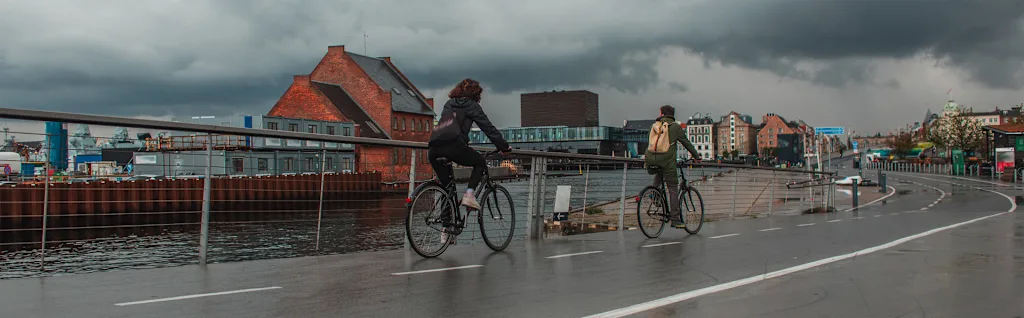
Protected bike lanes cover more than half of the streets in the Danish capital, and other roads have been converted to “bicycle streets” that prioritize bikes over cars. The city is continuously improving its bike infrastructure; 29% of all trips happen by bike and nearly half of all commutes to work or school are on bikes. On a typical weekday, Copenhageners collectively ride 2.75 million kilometers (1.7 million miles).
3. Ghent, Belgium
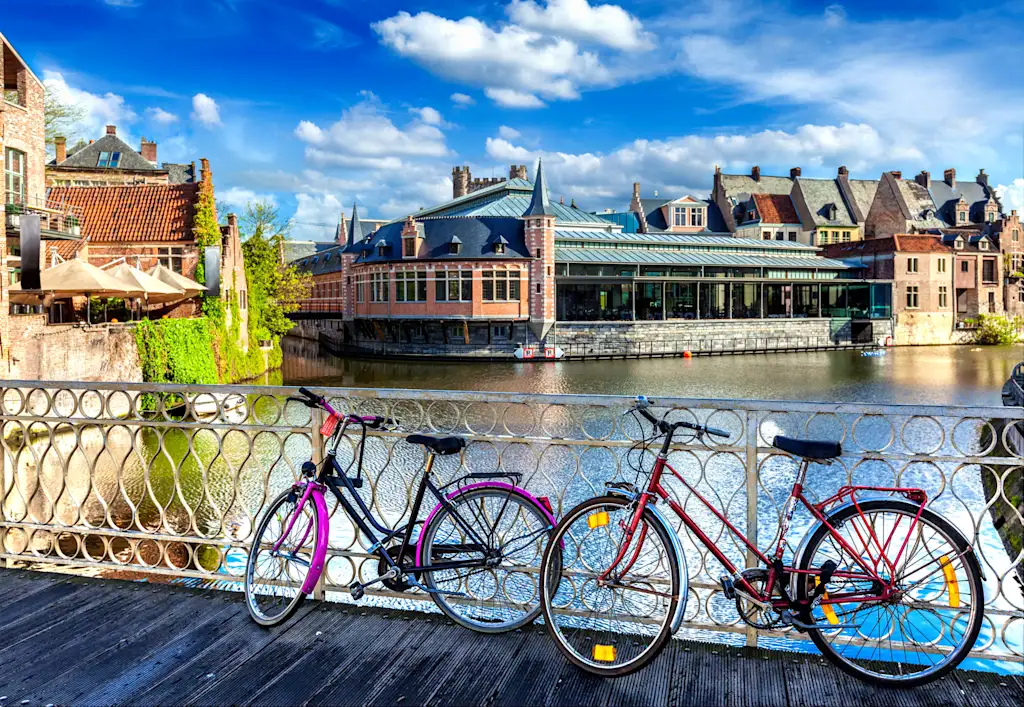
Over the last few decades, Ghent has redesigned streets to prioritize biking, walking, and public transportation. With more than 300 kilometers (186 miles) of protected bike lanes—along with low speed limits for cars and two dozen bicycle streets, the number of car trips keeps dropping. More than a third of trips now happen by bikes, up from 22% a decade ago.

4. Amsterdam
One of the world’s most famous cycling cities keeps improving. Amsterdam now has around 560 kilometers (350 miles) of protected bike lanes and 11,000 bike parking spaces, including the world’s first underground bike garage. Most city streets now have a 30-kilometers-per-hour (18-miles-per-hour) speed limit. A school street program blocks off traffic in front of schools when kids are arriving and leaving, making it safer for kids to walk or bike to school. Thirty-seven percent of all trips happen on bikes.
5. Paris
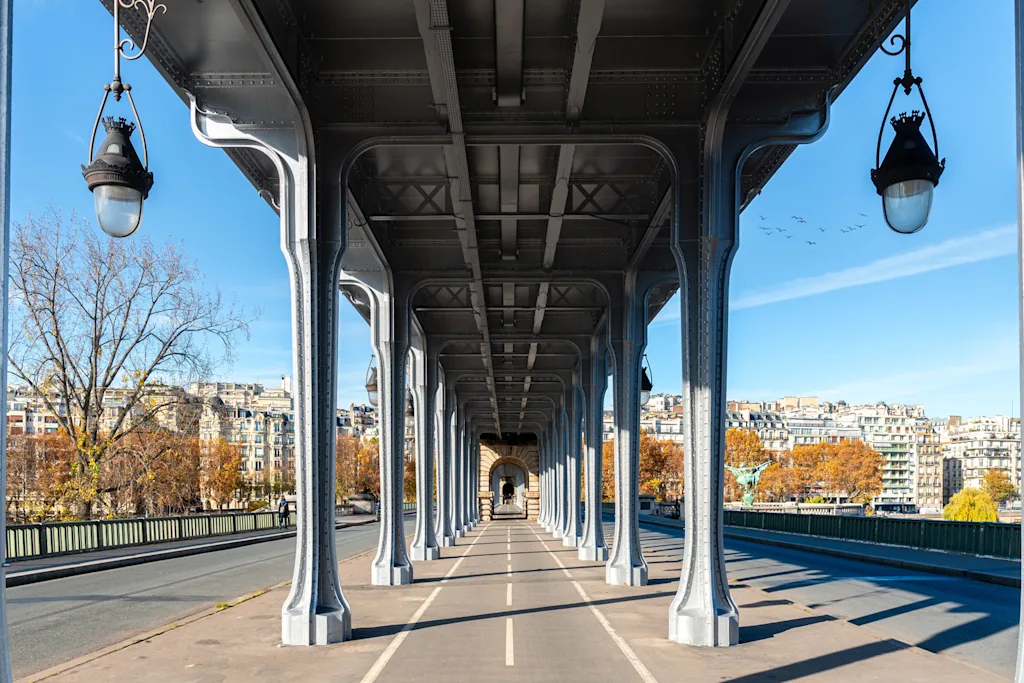
Over the past decade, Paris has transformed. Some major streets are now car free, and on others, parking spaces and car lanes have been removed to put in bike lanes. A 30-kilometers-per-hour (19-miles-per-hour) speed limit is the norm. There are more than 122,000 public bike parking places. Local businesses have used city subsidies to buy 1,500 cargo bikes. The bikeshare system had 56 million trips in 2024. In the last five years, bike trips jumped from 5% of all trips taken to 11%.
6. Helsinki
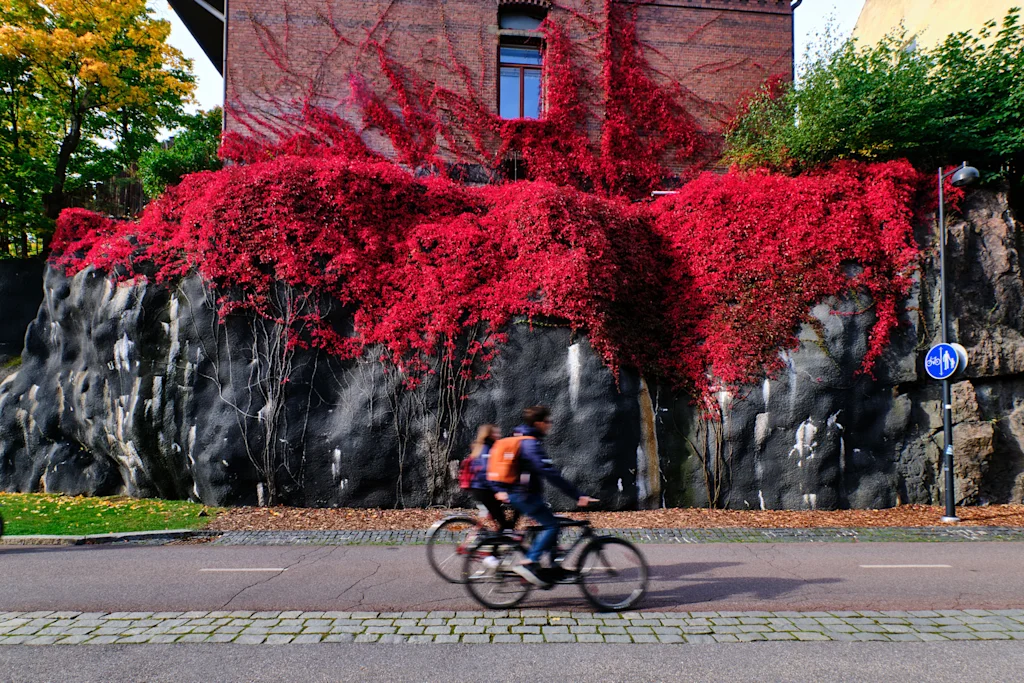
To help make it easier to bike in Finland’s frigid winters, the city clears snow from 150 kilometers (93 miles) of bike lanes. The city now has an extensive network of separated lanes, along with traffic calming, redesigned intersections, and awareness campaigns focused on safety. It also continues to add bike parking, including a new parking garage at the central train station.
7. Münster, Germany
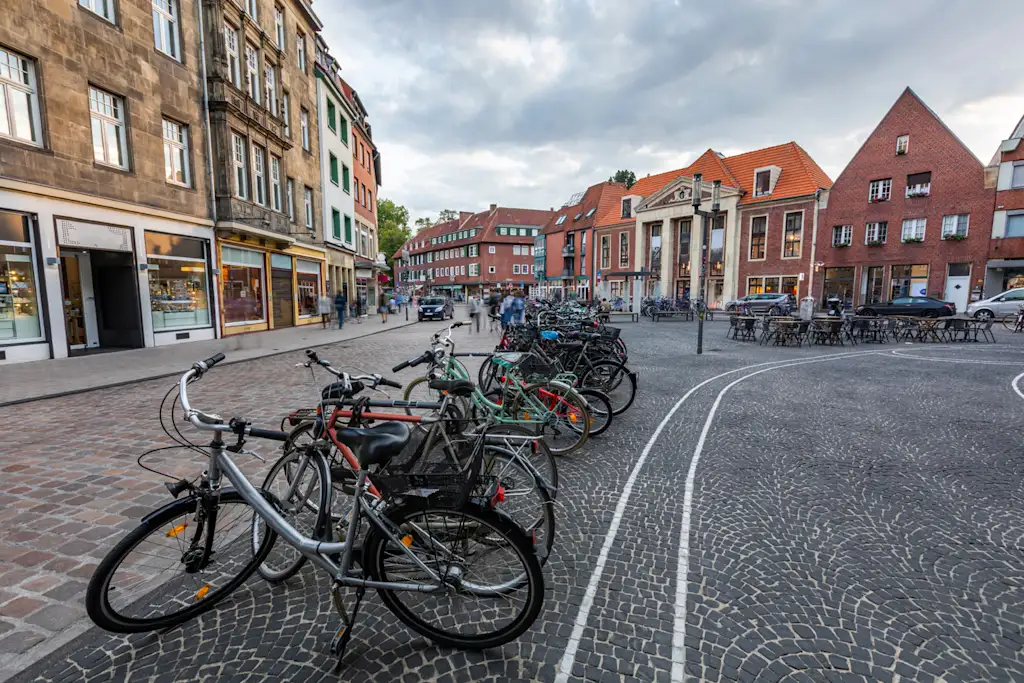
In Münster, a compact university town, 40% of city streets have protected bike lanes. The city also has a network of bicycle streets, coated in red to remind drivers that bikes have priority, and a new scenic bike route along a canal. Nearly half of all trips take place on bikes. To nudge people to bike even more, the city uses public billboards to display stats from bike counters that show how many people are riding.
8. Antwerp, Belgium
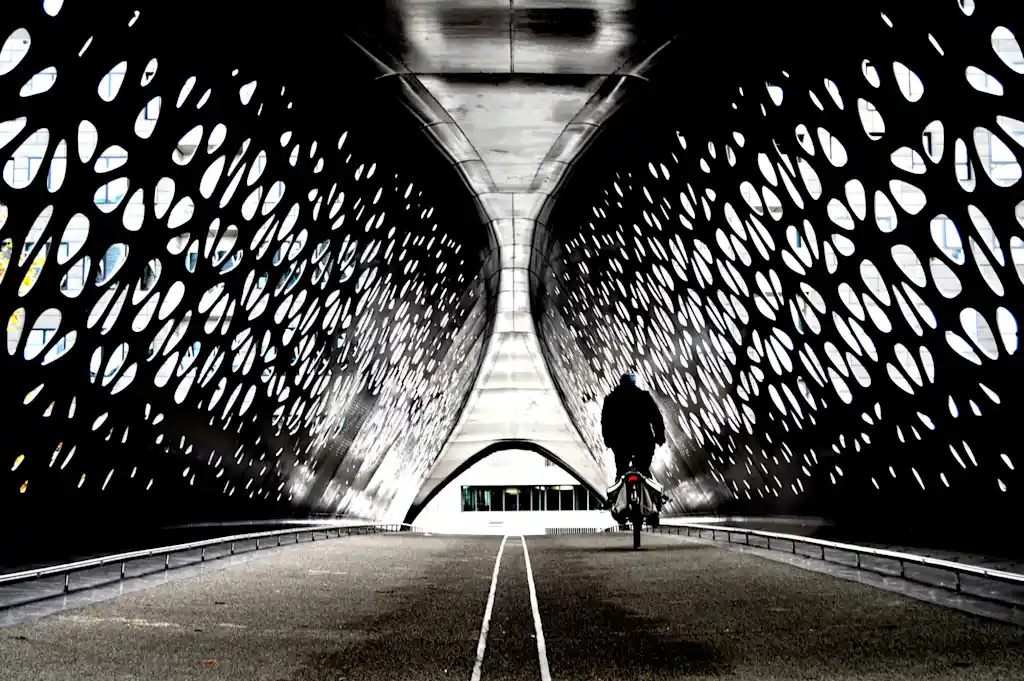
Antwerp has nearly 600 kilometers (372 miles) of protected bike lanes and continues to expand them through its “100 Missing Links” program, which includes underpasses and bridges for direct, continuous routes. About 70% of streets are limited to 30 kilometers per hour (19 miles per hour). To help add more bike parking in dense neighborhoods with little extra space, the city has been converting some unused buildings into secure subscription-based bike parking. They now have more than 60 neighborhood sites with 1,600 spaces. Cycling in the city is inclusive, with children and seniors on the road, and women make over half of daily commuting bike trips.
9. Bordeaux, France
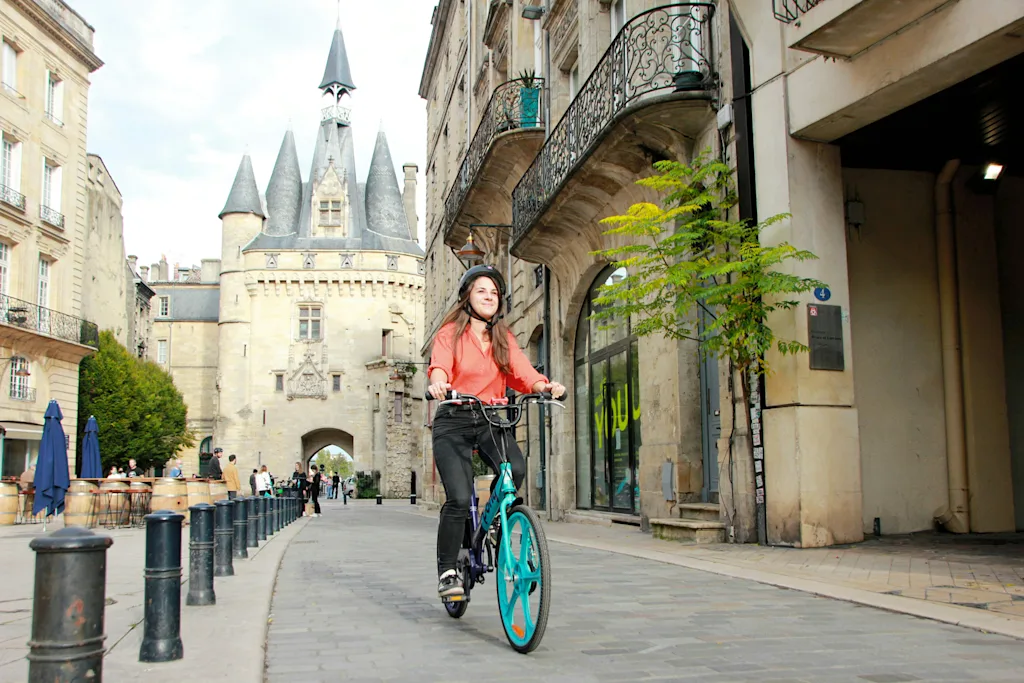
Nearly 90% of Bordeaux’s streets have speed limits of 30 kilometers per hour (19 miles per hour) or less, and the city has been closing major gaps in its bike network, including new two-way cycle tracks along both riverbanks. Former car lanes on streets like the Quai des Queyries have been converted into continuous, green-framed bikeways. “Bicycletteries” in the historic center offer video-protected, resident-only parking. The city also uses cargo bikes for waste pickup and deliveries.
10. Nantes, France
Nantes’s Grandes Voies Vélo network provides high-quality, well-marked bike routes across the city. Almost 90% of streets have low speed limits, complemented by car-free areas, shared streets, and low-traffic neighborhoods. The main train station offers 1,200 secure parking spaces, with more on-street racks throughout the city. Awareness campaigns support a steadily growing bike culture.
11. Bonn, Germany
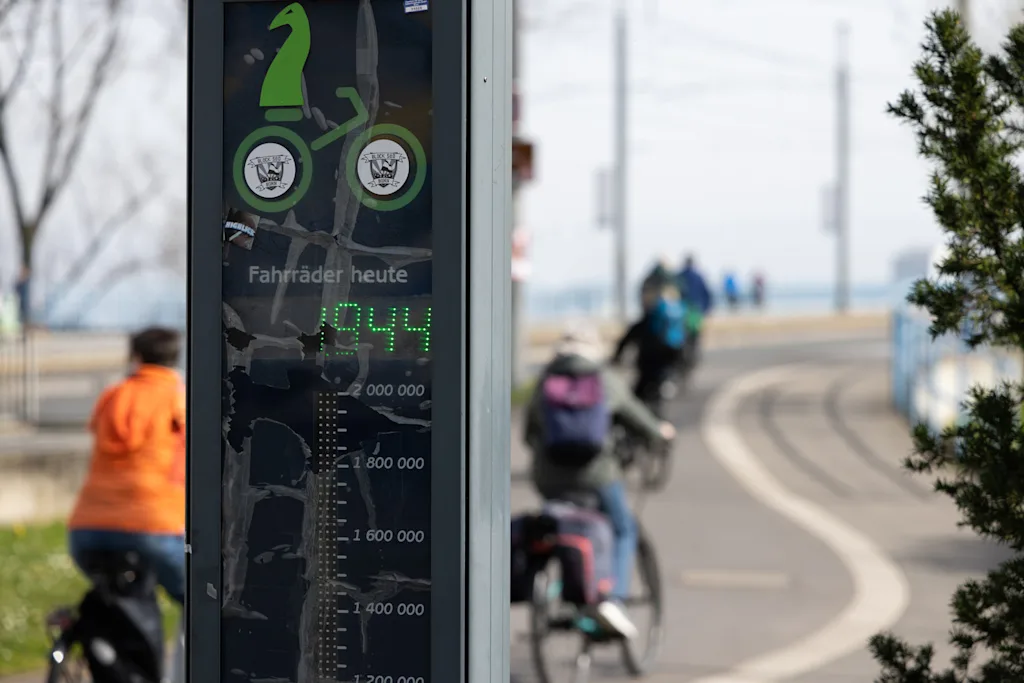
Bonn is shifting from painted lanes to a growing protected network; about 20% of streets now have protected bike lanes, and over half the city has 30-kilometer-per-hour (18-mile-per-hour) speed limits. The city remains relatively car-dependent, but bike counters show rising use, and cycling mode share has increased from 15% in 2017 to 21% in 2024.
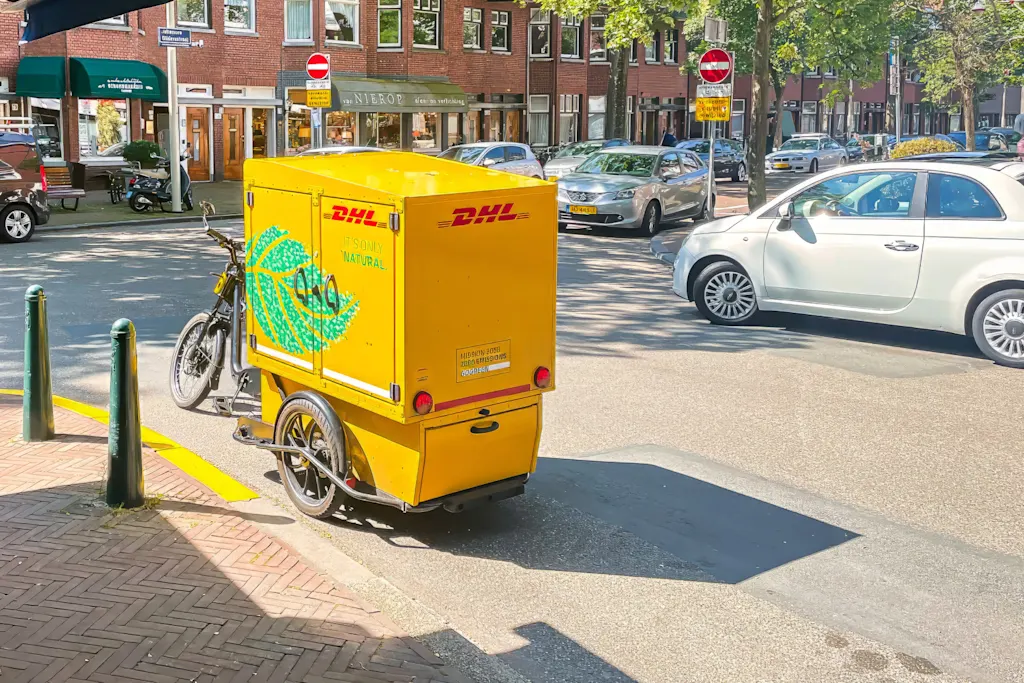
12. The Hague, Netherlands
The Hague has an expanding network of protected bike routes, with 60% of streets at or below a 30-kilometers-per-hour (18-miles-per-hour) speed limit and major investments since 2020. The central station holds 8,500 bikes, with 47,000 more spaces on streets. The city continues linking suburban routes and opened the 335-meter (1,099-foot) Jan Linzel bike bridge over the A4. Its “Den Haag Fiets!” program includes kids’ bike lessons from age 2, free or low-cost bikes for families, and subsidies for shared and cargo bikes.
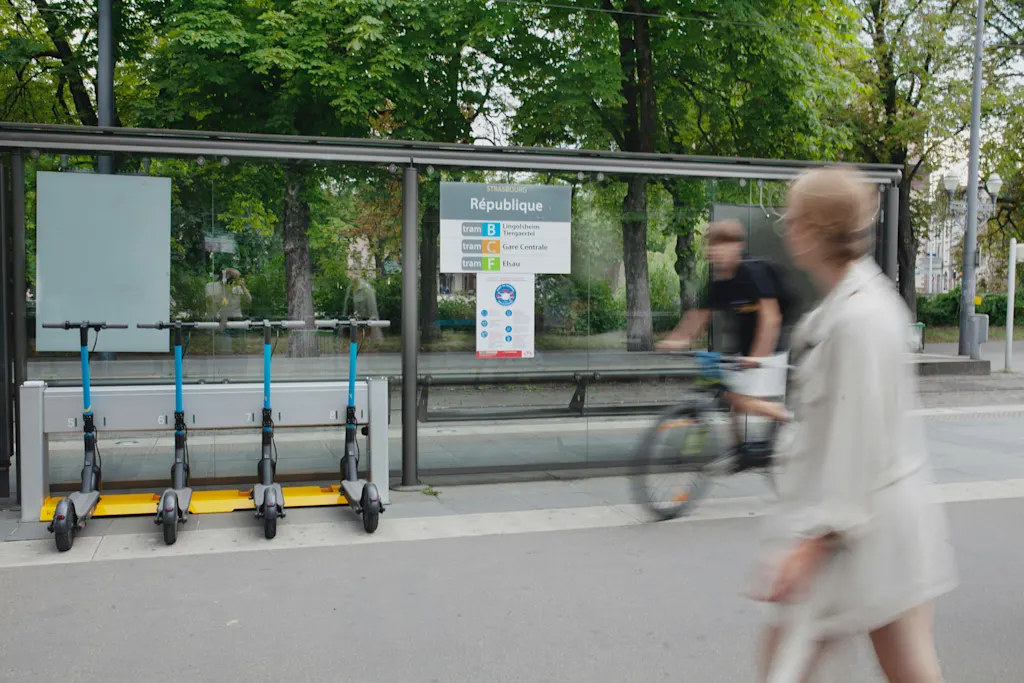
13. Strasbourg, France
Strasbourg’s Velostras network links the entire metro area, giving the city one of the most recognizable and complete bike systems in Europe. It still needs slower speed limits and redesigned streets, but cycling culture is strong—its annual Bike to Work challenge brings new riders, and the city offers over 400 bike parking spaces per 1,000 residents, among the world’s highest. Cargo bikes are widely used for deliveries.
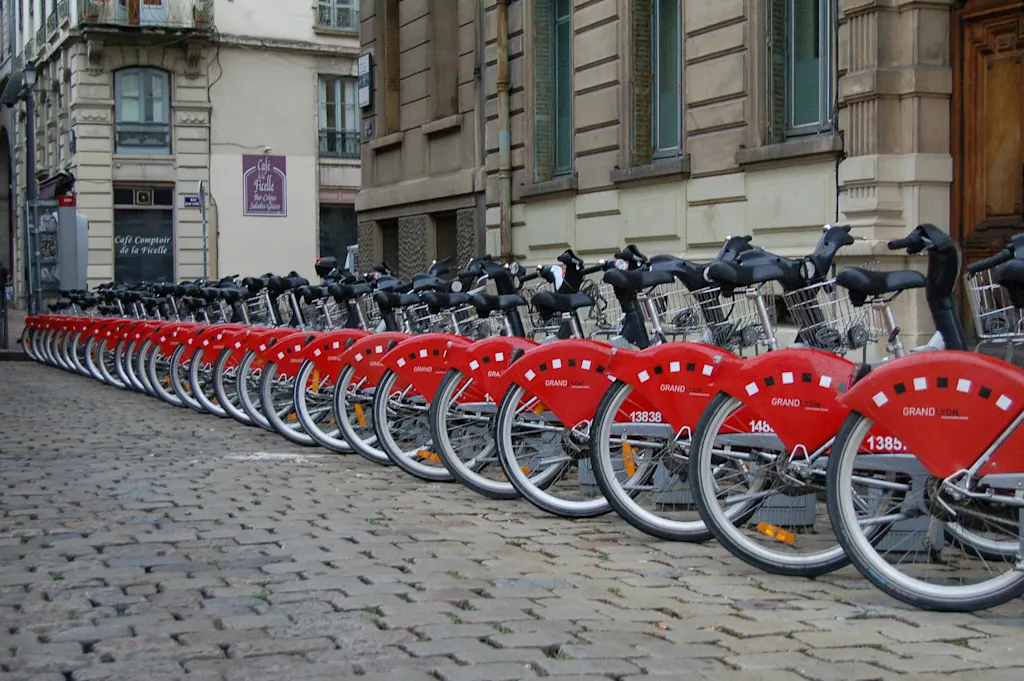
14. Lyon, France
Nearly three-quarters of Lyon’s streets have 30-kilometers-per-hour (18-miles-per-hour) speed limits or below, and the branded Voies Lyonnaises network makes navigation easy. The city is redesigning major corridors with protected routes, tunnels, and new riverside bikeways, and opened France’s largest secure bike parking hub at its main station in 2025. Its long-running bikeshare now includes low-cost plans for broad access.
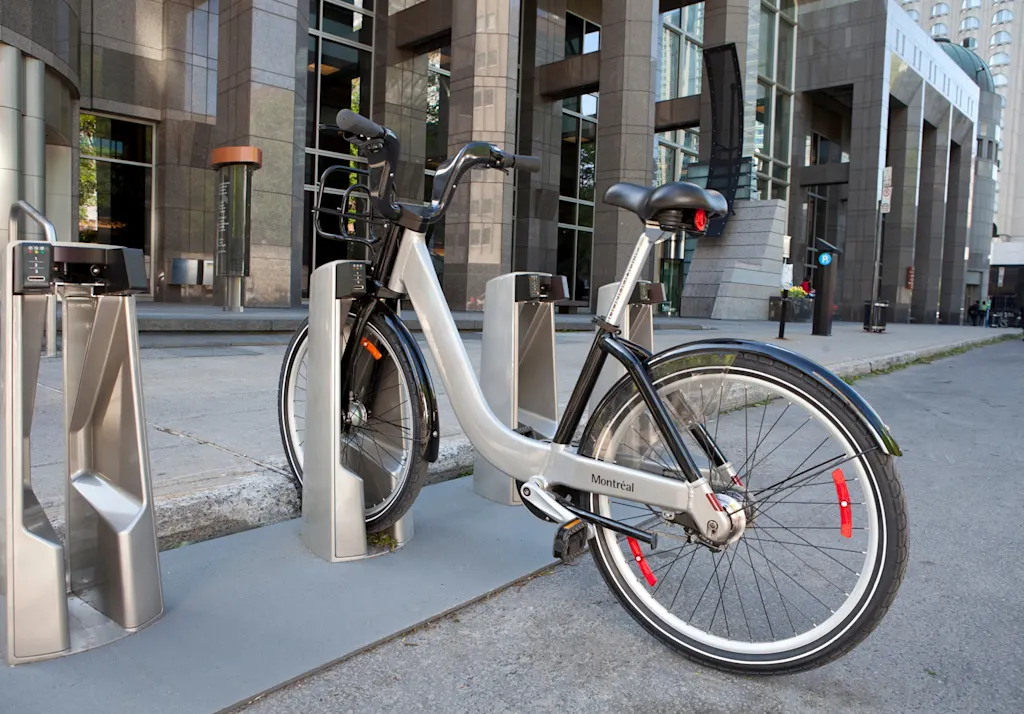
15. Montreal
The highest-ranked non-European city on the list, Montreal has rapidly expanded its protected network with clear, cohesive design and safer intersections. The Saint-Denis corridor hit 1.3 million trips in the first nine months of 2025, helping revive local businesses. Bixi, the city’s bikesharing program, set a record 13 million rides in 2024 and now operates year-round with bike trailers. Montreal pioneered North America’s first bicycle streets and continues to grow ridership.
16. Malmö, Sweden
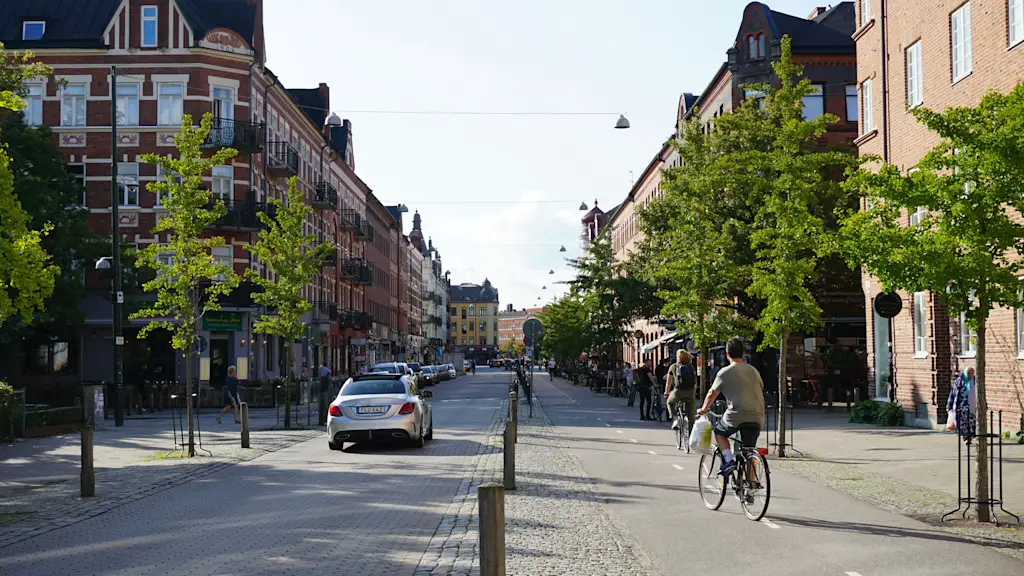
Malmö’s bike mode share reached 27% in 2024, supported by a dense network with 49 kilometers (30 miles) of protected lanes per 100 kilometers of road. A new regional bike highway is adding underpasses and bridges to close gaps. The city provides extensive parking—including 5,000 spaces at train stations—plus air pumps, footrests, and school streets. Cargo bikes are common, and developers are encouraged to include bike pools in new housing.
17. Munich
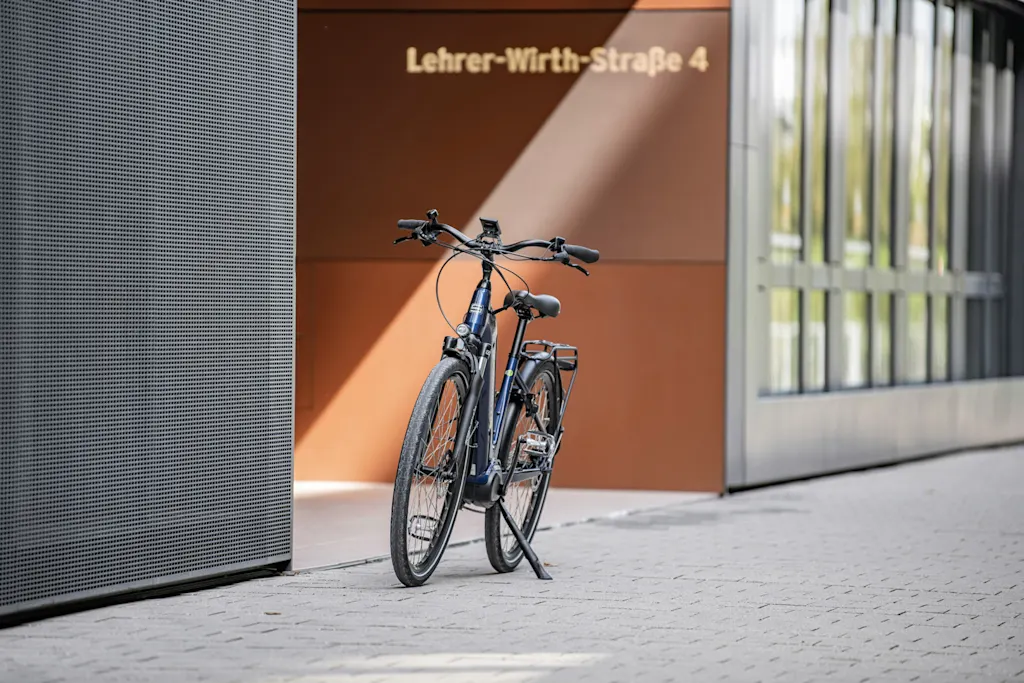
Munich is replacing painted lanes with wide, tree-buffered protected tracks and building a bike highway network. A third of streets now have protected lanes, most have 30-kilometers-per-hour (18-miles-per-hour) speed limits, and major intersections include dedicated bike signals. Cycling rose from 18% to 21% between 2019 and 2023, though the city discontinued its bikeshare in 2024. Green-asphalt paths and redesigned corridors are reshaping the streetscape.
18. Oslo
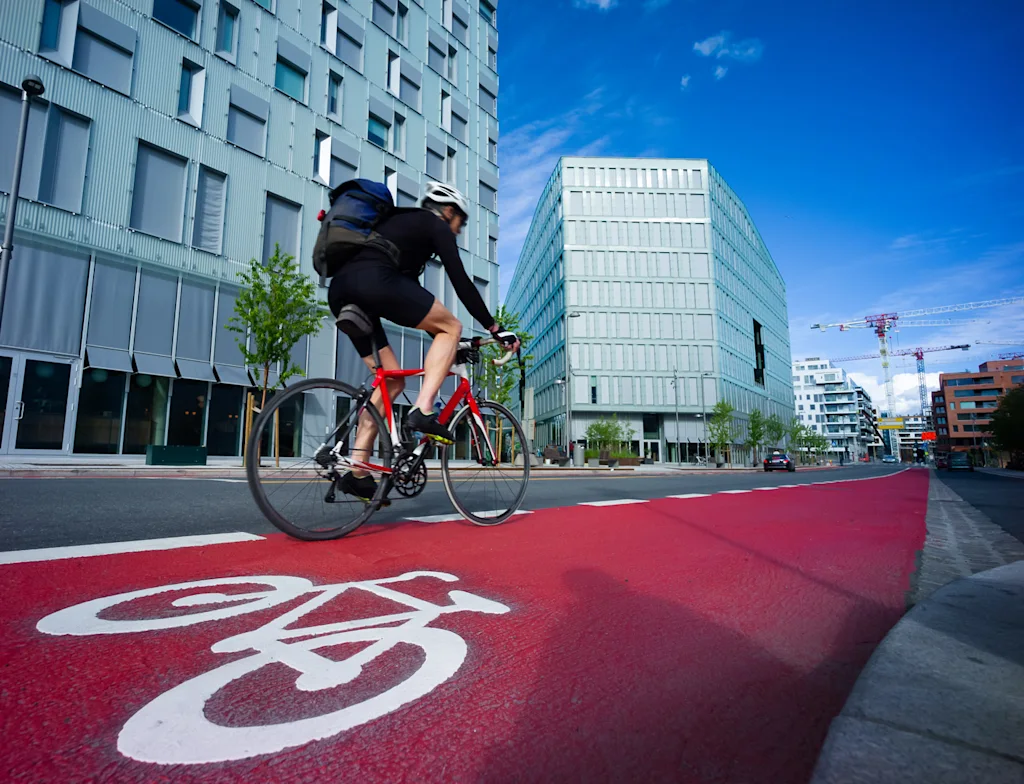
Oslo’s Vision Zero policies are driving major safety upgrades, with two-thirds of streets having a 30-kilometers-per-hour (18-miles-per-hour) speed limit and plans to make that universal. The bike network remains fragmented and ridership is relatively low at 7%, but the city is improving crossings and building secure parking in new developments. In the winter, the city clears snow on bike lanes along with car lanes. To help riders in the coldest months, the city also offers subsidies for studded winter tires.
19. Vienna
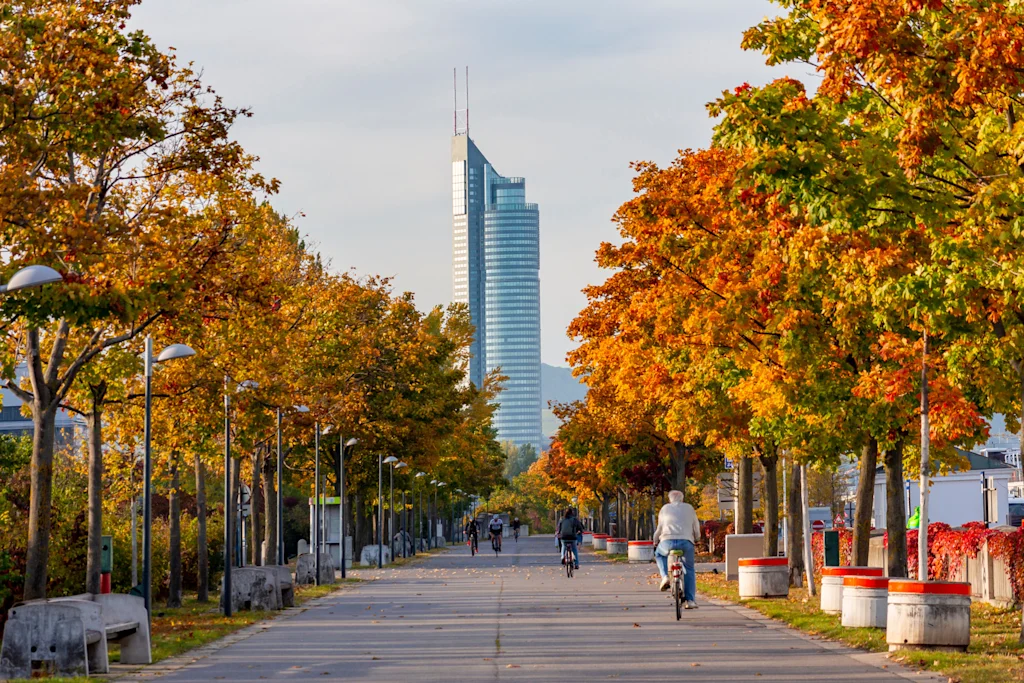
Vienna has added or upgraded 44 kilometers (27 miles) of bike routes in five years, including its first Dutch-style bicycle street on Argentinierstrasse. Wider, greener paths and redesigned streets are improving safety. The city offers cargo-bike subsidies, free loaner programs, school training, and annual festivals, and even includes a family biking guide in new-parent kits. Bike parks and school streets continue to expand.
20. Bern, Switzerland
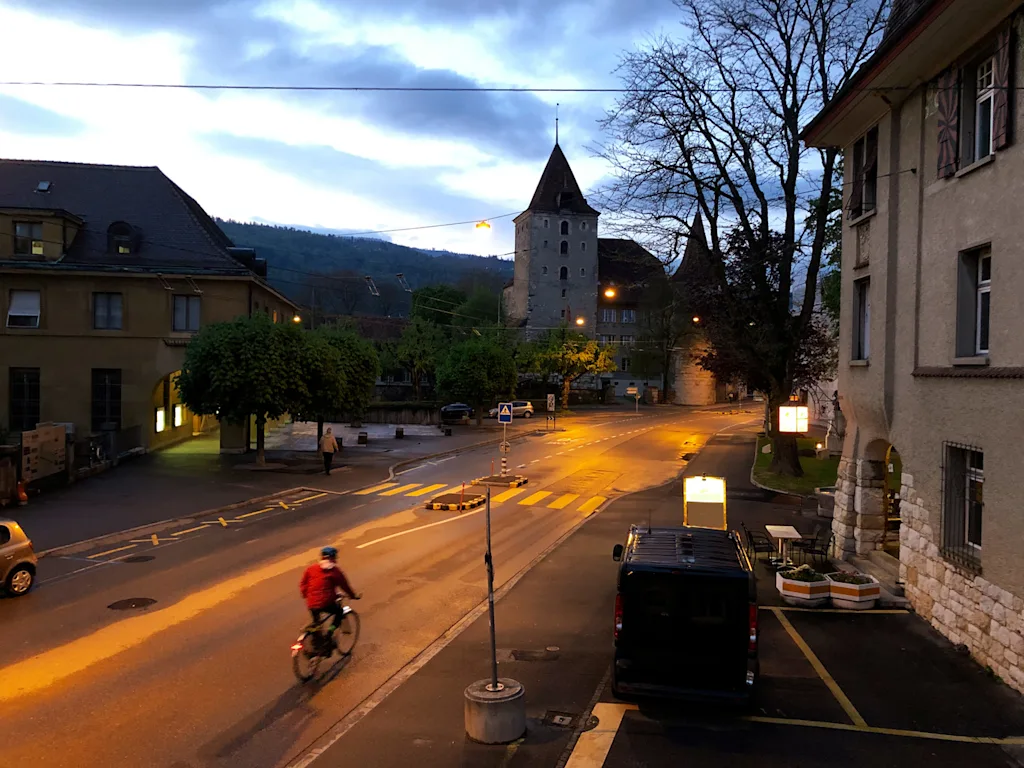
Bern’s bike mode share sits at 19%, with a mix of painted lanes, bicycle streets, and about 18 kilometers (11 miles) of protected paths. Some major boulevards have high-quality separated tracks, although the network still needs expansion. The city provides around 2,600 station parking spaces, extensive on-street racks, and easy bike rental access through the SwissPass system. Cargo bikes are common and supported by local rentals.
21. Graz, Austria
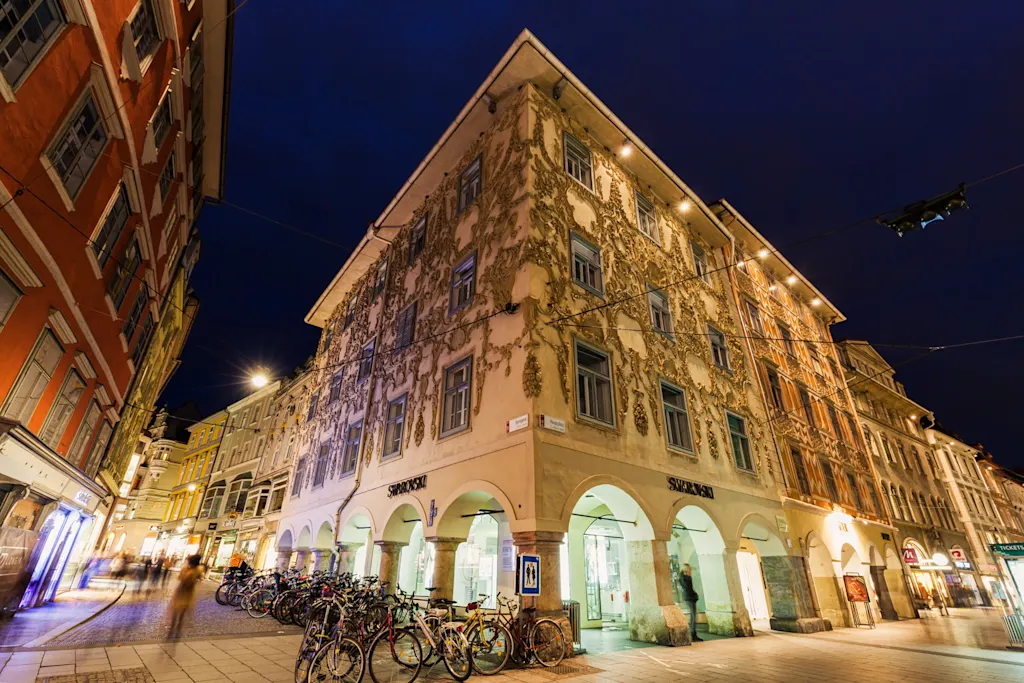
Two-thirds of Graz’s streets now have a 30-kilometers-per-hour (18-miles-per-hour) speed limit, supported by 130 kilometers (81 miles) of cycle paths and 26,000 bike parking spaces. A major pedestrian-bike bridge is planned to link two neighborhoods and create a more direct bike commute. Balance bike training in kindergartens, bicycle playgrounds, student bike grants, and senior cycling classes help riders of all ages gain confidence. Monthly summer group rides helped normalize everyday biking. The city sits at a 19% bike mode share today and aims for 30% within five years.

22. Zurich
Zurich transformed a former car tunnel under the main station into a bike-only corridor with bike stations at each end, part of a broader push that includes more bike parking across the city. Color-coded pavement helps riders instantly understand the type of route they’re on. A dedicated team tests new ideas to improve bike infrastructure. All public school students take a cycling exam. Bike mode share has risen from 8% in 2019 to 11% today.
23. Rotterdam, Netherlands
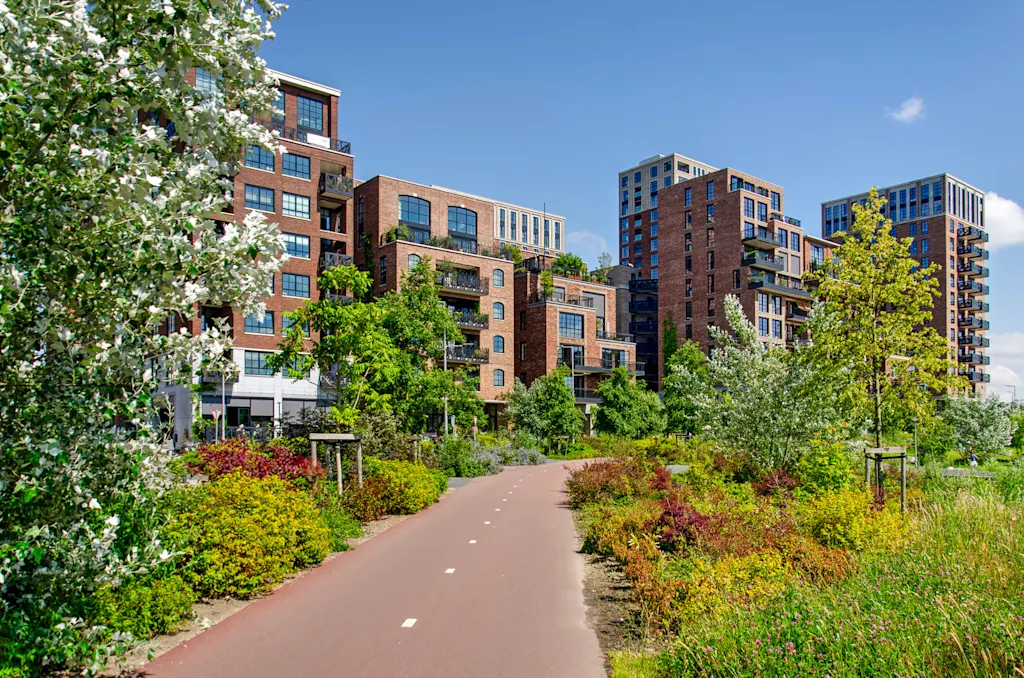
Rotterdam redesigned a central boulevard, Coolsingel, from car-centric to people-first, adding a two-way cycle track, a 30-kilometers-per-hour (18-miles-per-hour) speed limit, and a new streetcar line. Car traffic dropped by roughly 10,000 vehicles after completion. The city has a wide network of separated bike paths and is rolling out low speed limits as the norm, now on 115 streets. At Central Station, 5,000 underground bike parking spaces connect directly to train, metro, and streetcar lines.
24. Ljubljana, Slovenia
A 20-hectare car-free center anchors Ljubljana’s bike- and pedestrian-focused approach. New cycling corridors and contraflow lanes on low-speed streets make the network more direct. The city now has about 22 kilometers (13 miles) of separated bike paths per 100 kilometers of roadway and a 14% bike mode share that’s still rising, with women making up the majority of riders. Schools run bike-safety programs, and plentiful on-street bike racks make parking easy.
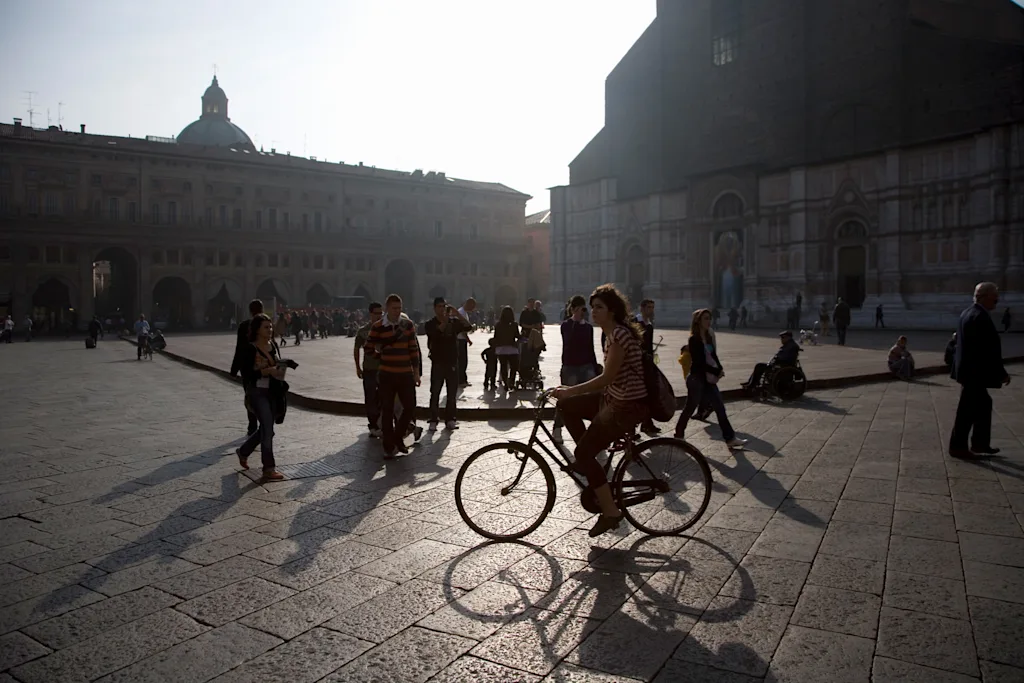
25. Bologna, Italy
More than half the city is now covered by low-speed zones, and Bologna’s branded “Bicipolitana” network has grown to over 100 kilometers (62 miles), with 26 kilometers (16 miles) added since 2022. A 2019 cycling strategy and an inclusive decision-making structure—bringing nonprofits and other stakeholders into the process—have helped ridership grow. Streets are designed for comfort and inclusion, and women now make 52% of trips. The city continually monitors progress, and new buildings must include secure bike parking.

26. Stockholm
Stockholm is rolling out a new network of separated bike paths reaching well beyond the city center into outer districts. A new bike and pedestrian bridge will soon create a faster shortcut to the central station and downtown. Bike parking still lags behind need, but investment is accelerating.
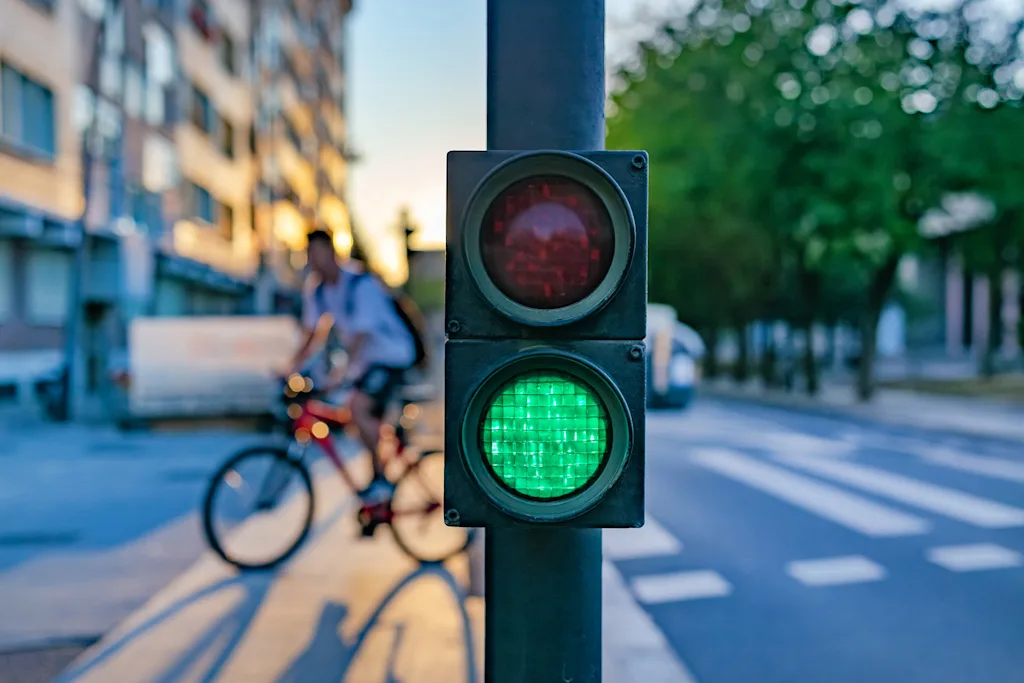
27. Vitoria-Gasteiz, Spain
About 8% of trips in this Spanish city are made by bike—a high rate for the region—supported by a 120-kilometer (75-mile) network of protected lanes linking neighborhoods, jobs, and parks. The city recently launched a new bikeshare system. Subsidies for electric cargo bikes are pushing growth, alongside micro-distribution hubs that have made cargo bike deliveries common.
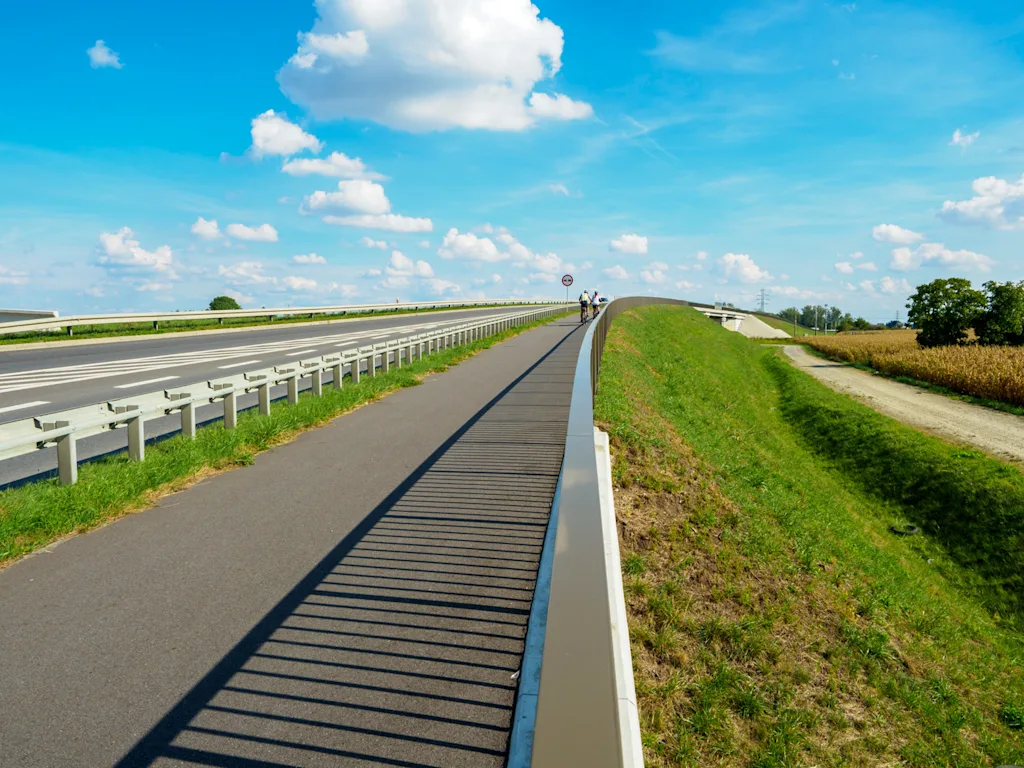
28. Wroclaw, Poland
Wroclaw uses Dutch-inspired design standards and has built 428 kilometers (266 miles) of bike routes connecting jobs, universities, and parks. (Some are just painted lanes, but the quality continues to improve.) Bike mode share is 5%. A new cargo bike logistics hub opened this year in a converted car garage, and the city bans motorized deliveries after 10 a.m. A slow zone in the city center began during the pandemic. Schoolchildren learn biking skills, and the recently relaunched bikeshare system—now with kids’ bikes, cargo bikes, tandems, and e-bikes—logged 1 million rides in its first six months.
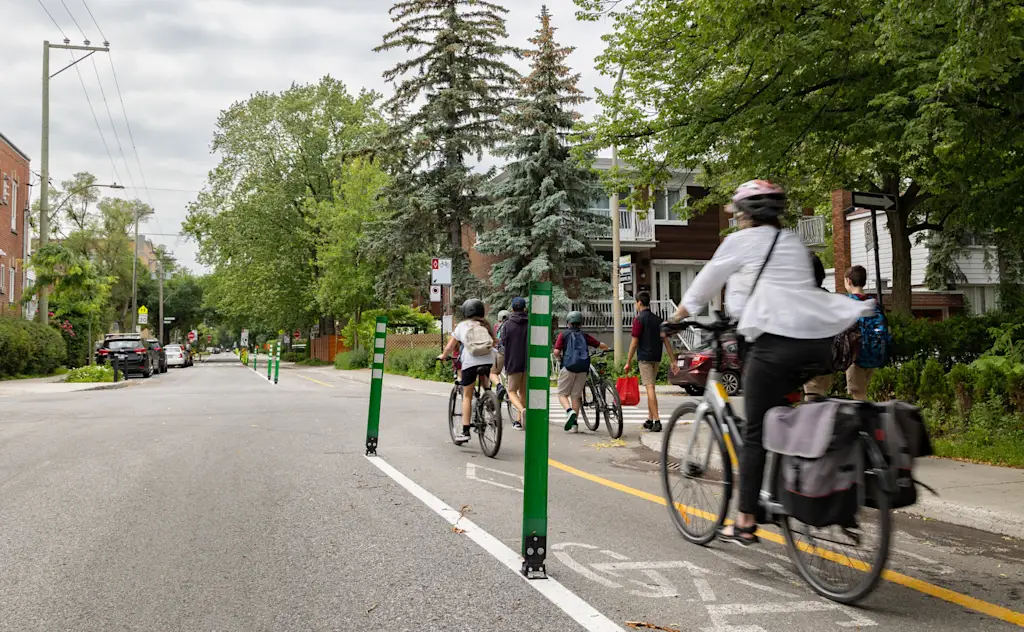
29. Quebec City, Canada
Quebec launched plans in 2023 for a 150-kilometer (93-mile) bike network. On the main corridor, new bike and pedestrian infrastructure has boosted biking 6.9% and walking by 94%. Its fully electric bikeshare system, introduced in 2021 for the city’s hilly terrain, grew from 100 bikes to 1,300 bikes and 1.3 million trips in 2024; 50 more stations and 500 more bikes were added this year. Over half of city roads now have speed limits of 30 kilometers per hour (18 miles per hour).
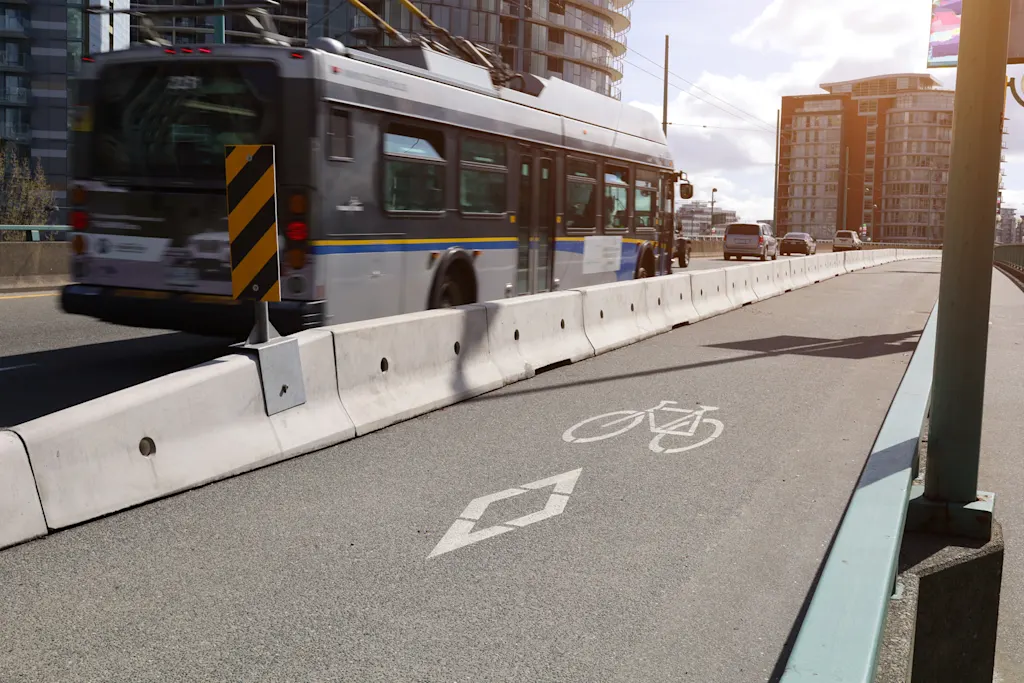
30. Vancouver
Although Vancouver’s progress slowed during the pandemic, the city already has 109 kilometers (67 miles) of protected or off-street bike routes. A major recent project, the Granville Connection, converted two car lanes on a key bridge into wide separated bike and pedestrian paths. Downtown corridors continue to gain new bidirectional protected lanes. Residential streets in 25 neighborhoods now have 30-kilometers-per-hour (18-miles-per-hour) speed limits.