Close Menu
    Facebook X (Twitter) Instagram
    TRENDING :
    • Amazon Boosts Business Prime with Enhanced Spending Management Tools
    • 7 Essential Tips for Designing Logos on Business Cards
    • A Step-by-Step Guide to Understanding S Corps
    • The Next Generation Conference | Armstrong Economics
    • 5 Key Reputation Management News Updates You Need Today
    • Conducting Effective Generation Z Market Research
    • 5 Proven Strategies for Ecommerce Customer Acquisition
    • Payroll Tax Obligations for Small Businesses
    Compatriot Chronicle
    • Home
    • US Politics
    • World Politics
    • Economy
    • Business
    • Headline News
    Compatriot Chronicle
    Home»Business»The career ladder is changing
    Business

    The career ladder is changing

    July 7, 20263 Mins Read
    Share Facebook Twitter Pinterest LinkedIn Tumblr Telegram Email Copy Link
    Follow Us
    Google News Flipboard
    Share
    Facebook Twitter LinkedIn Pinterest Email

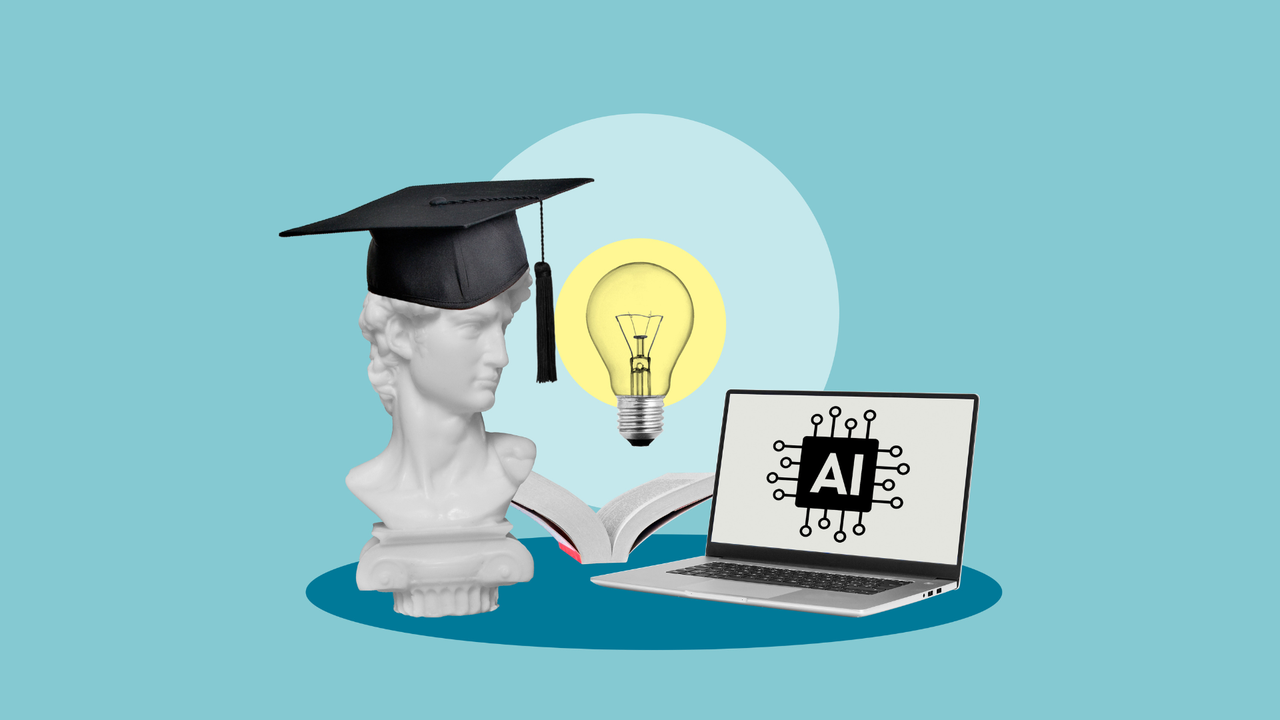
    There is a line in almost every graduation speech: The future is yours. This year, it lands differently. For many graduates, the future does not feel like a clear horizon. It feels unclear, unstable, and harder to predict than in years past.

    That uncertainty surfaced at commencement ceremonies this spring where students had mixed and largely skeptical reactions to how AI opportunities were presented to them from their speakers.

    Graduates are closely watching generative AI reshape writing, analysis, design, and other forms of early-career work in real time. So, when they hear broad promises about innovation and opportunity, many hear more personal questions underneath: Where do my skills fit now? Is the first rung of the career ladder still there for me?

    Those questions matter because the path from college into work is being redrawn while students are still trying to step onto it. So, let’s be clear: Diplomas still matter a lot. Ambition is still important. But human judgment, practical AI skills, and the ability to adapt and learn matter more than ever.

    Career readiness now depends on whether recent grads are prepared to use AI in practical and ethical ways that mirror the situations they’ll face on the job.

    STUDENTS’ AI SKILLS

    New Pearson and Amazon Web Services research, based on more than 2,700 learners, higher education leaders, and employers across six countries, highlights the AI readiness gap between higher education and the workforce. More than half of employers say their biggest challenge is finding graduates with the right AI skills, while only a small share of graduates say they feel highly proficient applying AI in a professional workflow.

    Students may know how to open the tools, experiment with prompts, and generate answers quickly. But that is different than translating AI into a day-to-day workflow, where the harder questions are about applying practical AI-based skills that will add value to employers’ goals.

    That is why this moment belongs to higher education and employers. Colleges cannot prepare students for this shift alone, and employers cannot expect new hires to arrive fully prepared.

    THE PATH FORWARD

    The path we need requires shared design: courses, projects, simulations, internships, and early-career experiences that reflect how AI is already changing the shape of work. Students need repeated chances to apply these tools in context, explain their choices, show where their human judgment influenced a positive outcome, and learn when not to rely on the technology at all.

    Students, educators, and employers also need clearer norms. Expectations around AI use are still blurry, leaving students to guess what is acceptable while faculty worry about integrity, and managers consider workplace risk. Without clear standards, people default to their own judgment. When standards are explicit, practiced, and reinforced, trust has a chance to grow. Shared expectations around transparency, human review, and documentation can do more than reduce risk. They can help graduates carry better habits from the classroom into the workplace.

    While the handoff from learning to work has rarely been easy, data shows us the growing challenges for graduates and employers are real. We’ve identified the gaps. Now it’s time for higher education, employers, and the learning community to collaborate and grab the generational opportunity to bring AI learning together with workforce needs.

    Tom ap Simon is president of higher education and virtual learning at Pearson.


    Source link

    Share. Facebook Twitter Pinterest LinkedIn Tumblr Email

    Related Posts

    Amazon Boosts Business Prime with Enhanced Spending Management Tools

    July 26, 2026

    7 Essential Tips for Designing Logos on Business Cards

    July 26, 2026

    A Step-by-Step Guide to Understanding S Corps

    July 26, 2026
    Top News

    How the Olympic cauldron became its own spectacle

    By Staff WriterFebruary 7, 2026

    At the 2026 Milan Cortina Winter Olympics, the iconic cauldron of the Games is putting…

    Why second chance hiring is smart business

    April 22, 2026

    ChatGPT caricatures are taking over social media—but at what cost?

    February 6, 2026

    The silent manipulations that often go unnoticed, according to a Harvard law professor

    September 7, 2025
    Top Trending

    Amazon Boosts Business Prime with Enhanced Spending Management Tools

    By Staff WriterJuly 26, 2026

    Amazon Business recently unveiled significant enhancements to its Business Prime offerings in…

    7 Essential Tips for Designing Logos on Business Cards

    By Staff WriterJuly 26, 2026

    When you’re designing a logo for your business card, start by ensuring…

    A Step-by-Step Guide to Understanding S Corps

    By Staff WriterJuly 26, 2026

    If you’re considering forming an S corporation, it’s essential to understand its…

    Categories
    • Business
    • Economy
    • Headline News
    • Top News
    • US Politics
    • World Politics
    About us

    The Populist Bulletin serves as a beacon for the populist movement, which champions the interests of ordinary citizens over the agendas of the powerful and entrenched elitists. Rooted in the belief that the voices of everyday workers, families, and communities are often drowned out by powerful people and institutions, it delivers straightforward, unfiltered, compelling, relatable stories that resonate with the values of the American public.

    The Populist Bulletin was founded with a fervent commitment to inform, inspire, empower and spark meaningful conversations about the economy, business, politics, inequality, government accountability and overreach, globalization, and the preservation of American cultural heritage.

    The site offers a dynamic mix of investigative journalism, opinion editorials, and viral content that amplify populist sentiments and deliver stories that echo the concerns of everyday Americans while boldly challenging mainstream narratives that serve the privileged few.

    Top Picks

    Amazon Boosts Business Prime with Enhanced Spending Management Tools

    July 26, 2026

    7 Essential Tips for Designing Logos on Business Cards

    July 26, 2026

    A Step-by-Step Guide to Understanding S Corps

    July 26, 2026
    Categories
    • Business
    • Economy
    • Headline News
    • Top News
    • US Politics
    • World Politics
    Copyright © 2025 Populist Bulletin. All Rights Reserved.

    Type above and press Enter to search. Press Esc to cancel.