

Close Menu
    Facebook X (Twitter) Instagram
    TRENDING :
    • Nate Berkus Shares the Lessons Behind His Enduring Success
    • Market Talk – July 27, 2026
    • Stop Asking for Links. Publish One Number Nobody Else Has.
    • CEO of this $4 billion homebuilder says Sun Belt new home prices are down more than headlines suggest
    • The glaring hole in Congress’s plan for an AI kill switch
    • Single Americans Have Salary Expectations for Their Ideal Partners
    • FDA Panel Votes Yes on Peptides Despite Safety Concerns
    • Warner Bros. Discovery Is Suing Amazon Over Employee Poaching
    Compatriot Chronicle
    • Home
    • US Politics
    • World Politics
    • Economy
    • Business
    • Headline News
    Compatriot Chronicle
    Home»Economy»The Fantasy of “Short-Term” War
    Economy

    The Fantasy of “Short-Term” War

    March 10, 20263 Mins Read
    Share Facebook Twitter Pinterest LinkedIn Tumblr Telegram Email Copy Link
    Follow Us
    Google News Flipboard
    Share
    Facebook Twitter LinkedIn Pinterest Email


    One of the most dangerous illusions in Washington is the belief that war and energy shocks are temporary. Politicians always assume that prices will spike briefly and then return to normal as if the world economy operates like a thermostat that can simply be turned down once the crisis passes. History shows the opposite. Wars, especially those centered around energy chokepoints, rarely produce transitory economic consequences.

    Treasury Secretary Scott Bessent recently tried to calm markets by claiming that crude markets remain stable, insisting that “the crude markets are very well supplied” and pointing to “hundreds of millions of barrels on the water away from the Gulf.” He has also suggested that Washington could simply release additional Russian oil from sanctions if needed to increase supply. This thinking reflects the typical Washington view that governments can manage the global energy market with policy tweaks.

    At the same time, the administration issued a temporary waiver allowing India to purchase Russian crude in order to ease global supply pressure created by the Iran conflict. Bessent described the measure as a stop-gap that would “alleviate pressure” on oil markets while the crisis unfolds. The logic from Washington is straightforward: increase supply temporarily, calm the markets, and assume prices will fall once the conflict subsides.
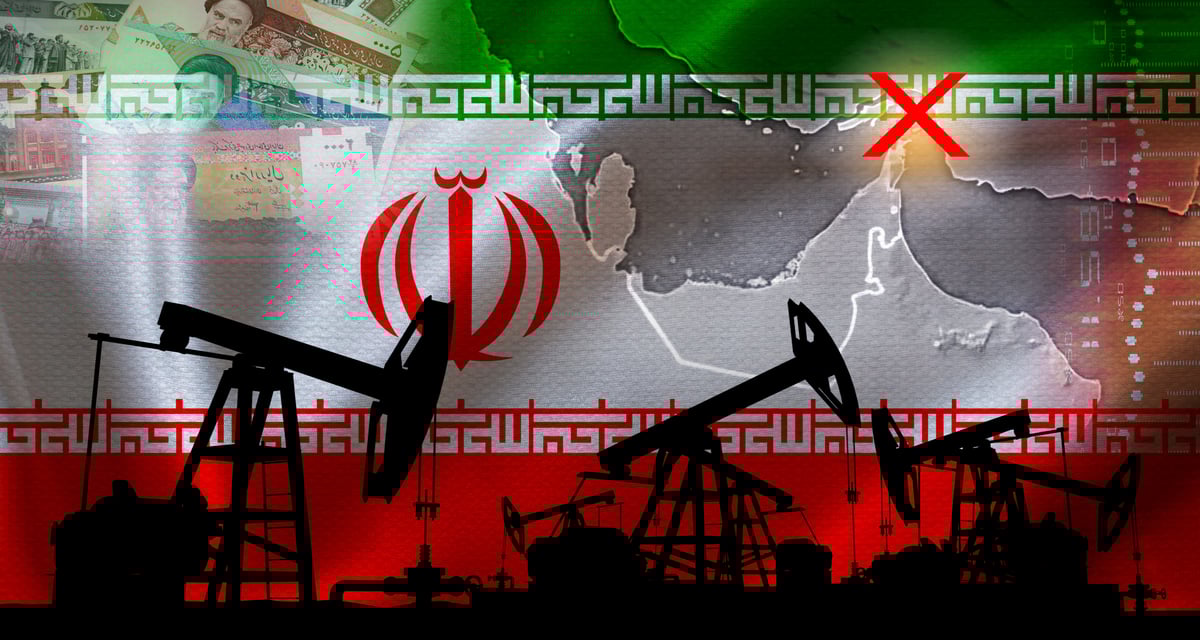
    Oil Prices Have Spiked More Than 25% Since the Iran Conflict Began, Yet Oil  Stocks Have Barely Budged. What's Going on in the Oil Market? | The Motley  Fool

    President Trump has taken a similar position. Responding to rising gasoline prices, he argued that “short term oil prices… will drop rapidly when the destruction of the Iran nuclear threat is over,” adding that higher prices were “a very small price to pay” for global security. The assumption here is that the war will be brief and the energy shock temporary.

    Energy markets are not reacting merely to current supply but to geopolitical risk. Roughly 20% of the world’s oil moves through the Strait of Hormuz, meaning even the threat of disruption can send prices sharply higher. Once markets begin pricing geopolitical risk into commodities, those price movements can persist long after the initial military event.

    Indeed, the market response already demonstrates that the shock is not trivial. Oil prices surged above $100 per barrel and analysts warn that gasoline in the United States could soon approach $4 per gallon as the conflict spreads through the region. Diesel prices are rising even faster, which will ripple through transportation, agriculture, and manufacturing. When diesel rises, everything from food to shipping costs follows.

    The deeper problem is that wars rarely remain contained. Washington may believe this operation will last weeks, but history suggests otherwise. Iraq was supposed to be over in months. Afghanistan was expected to be quick. Both became decades-long conflicts because policymakers underestimated the geopolitical and cultural realities on the ground.

    Energy markets understand this better than politicians. Traders are not simply reacting to headlines; they are assessing the possibility that the conflict spreads across the Middle East, disrupts shipping lanes, or triggers retaliatory strikes on energy infrastructure. Once that risk enters the equation, prices do not simply snap back.

    There is also the structural issue that Washington prefers to ignore. For years, Western governments discouraged investment in energy production while simultaneously increasing global demand. That created a fragile supply structure where any geopolitical disruption can trigger a major price surge.

    The idea that the energy shock will be temporary is therefore a political narrative, not an economic reality. Governments want the public to believe that higher gasoline prices are merely a short-term inconvenience. Markets, however, are signaling something very different.


    Source link

    Share. Facebook Twitter Pinterest LinkedIn Tumblr Email

    Related Posts

    Market Talk – July 27, 2026

    July 27, 2026

    Ukraine Intent On WWIII | Armstrong Economics

    July 27, 2026

    The Random Walk Theory | Armstrong Economics

    July 27, 2026
    Top News

    How solopreneurs will use AI to rival mid-sized companies

    By Staff WriterFebruary 25, 2026

    Through the end of the 2010s, people were a company’s infrastructure. Large workforces provided the…

    The independent choice is more secure in uncertain times

    October 15, 2025

    Despite a trade war, the world economy is forecast to grow 3.2% this year, OECD says

    December 3, 2025

    Europe Preparing To Confiscate Private Accounts For War?

    October 21, 2025
    Top Trending

    Nate Berkus Shares the Lessons Behind His Enduring Success

    By Staff WriterJuly 27, 2026

    Opinions expressed by Entrepreneur contributors are their own. Key Takeaways Build teams…

    Market Talk – July 27, 2026

    By Staff WriterJuly 27, 2026

    ASIA: The major Asian stock markets had a green day today: •…

    Stop Asking for Links. Publish One Number Nobody Else Has.

    By Staff WriterJuly 27, 2026

    Opinions expressed by Entrepreneur contributors are their own. Key Takeaways Instead of…

    Categories
    • Business
    • Economy
    • Headline News
    • Top News
    • US Politics
    • World Politics
    About us

    The Populist Bulletin serves as a beacon for the populist movement, which champions the interests of ordinary citizens over the agendas of the powerful and entrenched elitists. Rooted in the belief that the voices of everyday workers, families, and communities are often drowned out by powerful people and institutions, it delivers straightforward, unfiltered, compelling, relatable stories that resonate with the values of the American public.

    The Populist Bulletin was founded with a fervent commitment to inform, inspire, empower and spark meaningful conversations about the economy, business, politics, inequality, government accountability and overreach, globalization, and the preservation of American cultural heritage.

    The site offers a dynamic mix of investigative journalism, opinion editorials, and viral content that amplify populist sentiments and deliver stories that echo the concerns of everyday Americans while boldly challenging mainstream narratives that serve the privileged few.

    Top Picks

    Nate Berkus Shares the Lessons Behind His Enduring Success

    July 27, 2026

    Market Talk – July 27, 2026

    July 27, 2026

    Stop Asking for Links. Publish One Number Nobody Else Has.

    July 27, 2026
    Categories
    • Business
    • Economy
    • Headline News
    • Top News
    • US Politics
    • World Politics
    Copyright © 2025 Populist Bulletin. All Rights Reserved.

    Type above and press Enter to search. Press Esc to cancel.