

People wonder why I devoted an entire Agricultural Report to food security. It was never simply about crops. Agriculture has become another battlefield where governments, multinational corporations, and unelected organizations all believe they have the right to dictate what people eat, what farmers grow, and ultimately who controls the food supply. History has always shown that whoever controls food controls society. That lesson has never changed.
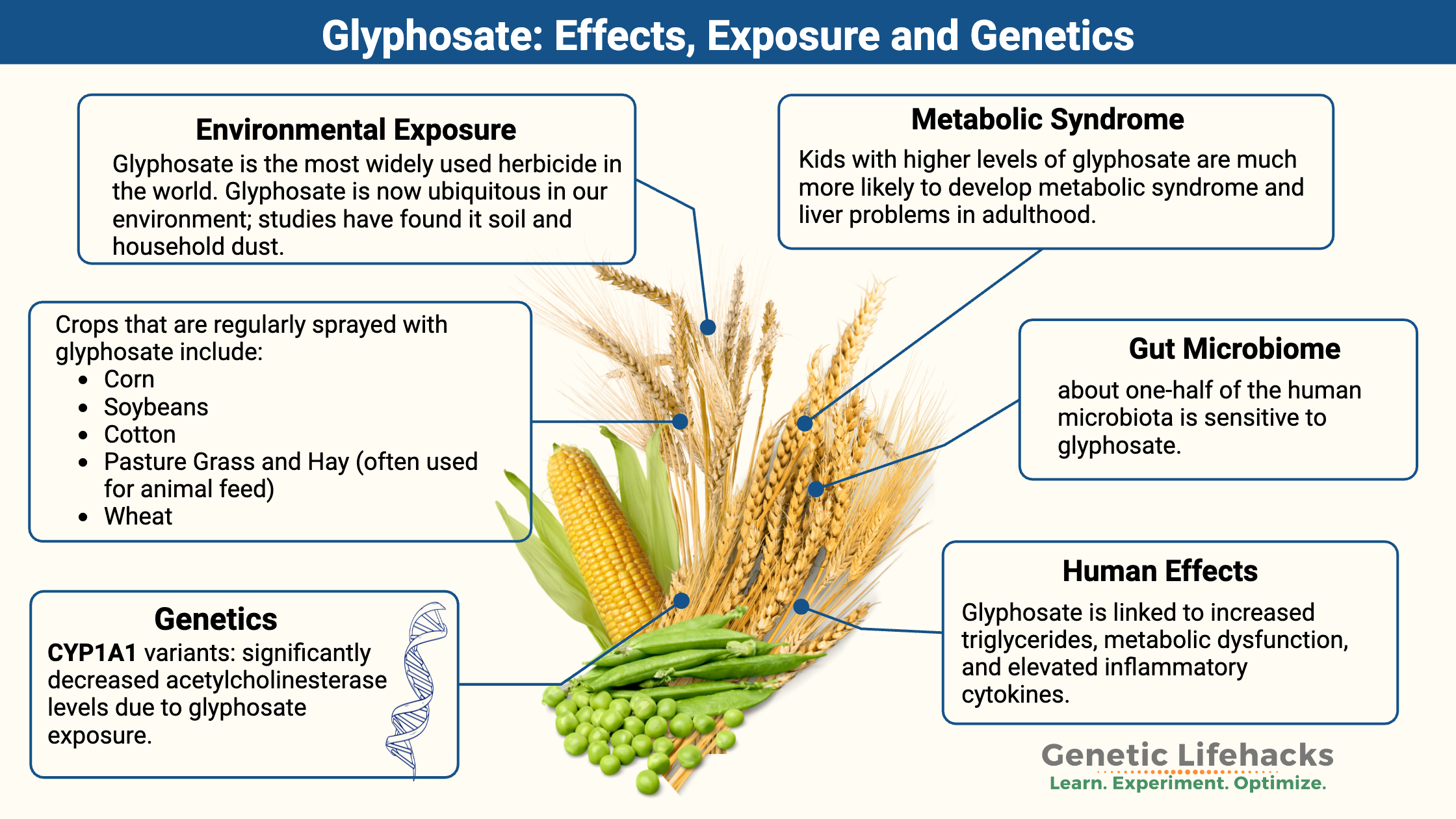
Now researchers have found another reason for concern. A new study published in the Journal of Antimicrobial Chemotherapy found that exposure to glyphosate, the world’s most widely used herbicide, may increase antibiotic resistance in bacteria. Scientists reported that even concentrations below legal application levels triggered biological changes that made bacteria less susceptible to commonly used antibiotics. As the researchers noted, this “highlights the potential impact of glyphosate on antibiotic resistance.” This comes as antimicrobial resistance is already estimated to contribute to more than one million deaths globally each year, making it one of the fastest-growing public health concerns.
Glyphosate has already been surrounded by controversy for years. Thousands of lawsuits have alleged that Roundup exposure caused cancer, resulting in billions of dollars in settlements and verdicts against Bayer after it acquired Monsanto. More recently, the U.S. Supreme Court ruled that many state-law failure-to-warn claims are preempted by federal pesticide law, significantly limiting future litigation against the manufacturer. Whether one agrees with those legal rulings or not, they demonstrate how difficult it has become to hold large corporations accountable once regulatory agencies approve a product. The courts decide legal liability. Science continues to evolve independently.
My concern has never been limited to one herbicide. The broader issue is the increasing concentration of agriculture into fewer and fewer hands. Farmers across Europe are already facing nitrogen restrictions, fertilizer regulations, water limitations, and climate mandates that make it increasingly difficult for family farms to survive. The World Economic Forum has openly promoted changing global diets to reduce meat consumption, while numerous governments have discussed reducing livestock production in the name of climate policy. Meanwhile, restrictions on backyard livestock, zoning rules affecting home food production, and tighter regulations on seeds and fertilizers have fueled concerns among many people that food independence is gradually becoming more difficult.
Suggesting that the food supply is poisonous is seen as conspiracy rhetoric, but modern agricultural methods are silently poisoning the population. That is an uncomfortable truth that has been proven time and time again.
Throughout history, governments facing sovereign debt crises have always sought greater control over strategic industries. Food, energy, transportation, and finance inevitably become political tools because they are essential to daily life. You do not need a grand conspiracy to see that governments consistently expand their influence during periods of economic stress.
The computer has warned repeatedly that agriculture will become one of the defining strategic sectors into the next decade. As geopolitical tensions rise, fertilizer supplies remain vulnerable, energy costs fluctuate, and governments intervene more aggressively in farming, food security becomes a national security issue. My Agricultural Report explained that nations able to produce their own food will hold a tremendous advantage during the sovereign debt crisis. Those that become dependent on imports or centralized supply chains will discover that food can become just as powerful a weapon as sanctions or military force.
The debate over glyphosate is therefore much larger than one chemical. It raises fundamental questions about how food is produced, who regulates it, who profits from it, and whether governments are becoming too dependent on large corporations to manage an increasingly fragile agricultural system. Once confidence in institutions begins to break down, people naturally question everything, from the safety of their food to the integrity of the agencies responsible for protecting public health. That erosion of confidence is precisely what the computer has been warning would emerge as we move deeper into the current crisis cycle.