Close Menu
    Facebook X (Twitter) Instagram
    TRENDING :
    • Duolingo was evaluating its workers’ AI use. Workers pushed back.
    • Is organic music discovery dead? Geese ‘psyop’ debate leaves artists frustrated by growing barrier to entry
    • SantaCon president stole millions in charitable donations to fund luxury lifestyle, says FBI
    • Target’s new retro-inspired Pokémon collection was made for superfans, by superfans
    • The future of AI in schools isn’t personalized learning
    • Snap layoffs today: 16% of jobs cut as CEO Evan Spiegel is the latest to tout AI advances
    • Adobe’s new Firefly AI Assistant could forever change the way you use its apps
    • Quantum computing stocks are back on the rise. Here’s why IONQ, QBTS, RGTI, and QUBT are up
    Compatriot Chronicle
    • Home
    • US Politics
    • World Politics
    • Economy
    • Business
    • Headline News
    Compatriot Chronicle
    Home»Business»Trump claimed Tylenol is linked to autism. Emergency room data just revealed a hard truth about the anti-painkiller crusade
    Business

    Trump claimed Tylenol is linked to autism. Emergency room data just revealed a hard truth about the anti-painkiller crusade

    March 6, 20263 Mins Read
    Share Facebook Twitter Pinterest LinkedIn Tumblr Telegram Email Copy Link
    Follow Us
    Google News Flipboard
    Share
    Facebook Twitter LinkedIn Pinterest Email

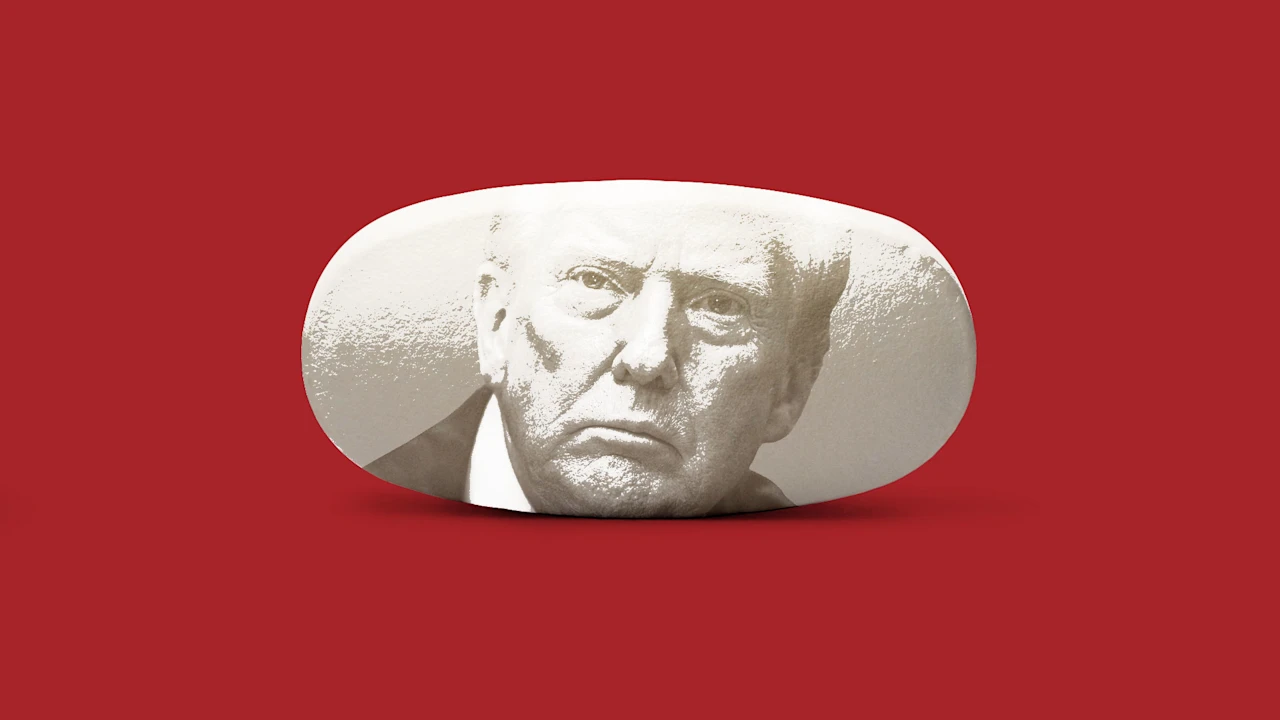
    Last September, President Donald Trump took the stage at a White House press conference to give America some (completely unfounded) medical advice.

    “Taking Tylenol is not good,” Trump said. “I’ll say it: It’s not good.”

    Trump alleged that Tylenol, aka acetaminophen, is linked to autism, and that pregnant women taking the common painkiller increases the likelihood of their children being autistic. Trump had no scientific evidence to back up his claim, nor the support of the broader medical community—and yet, his critique of Tylenol had an impact on America’s emergency rooms nearly overnight.

    A new study in The Lancet shows that between Trump’s speech on September 22 and the end of the study period on December 7, acetaminophen orders for pregnant patients ages 15 to 44 in emergency rooms declined by 10%. Meanwhile, orders for non-pregnant women in the same age range did not see any significant change.

    Dr. Jeremy Faust, the lead researcher on the study, told NPR that Trump’s words “had an immediate impact on how much Tylenol or acetaminophen was being ordered in emergency departments.”

    “This is thousands of women not getting pain control or not getting fever reduction when they need it, when they want it, when they would benefit from it,” he said.

    Whether the drop in Tylenol orders was due to patients refusing the drug or doctors choosing not to prescribe it is unclear. The study was also limited to emergency departments, and did not account for other hospital departments nor for women potentially taking Tylenol at home.

    Emergency room orders for Tylenol had mostly returned to normal by the end of the study period, suggesting that initial anxieties fueled by Trump’s speech were short-lived.

    But another of Trump’s recommendations seems to have staying power: A drug Trump recommended as a cure for autism—again, with no scientific backing—jumped in usage. 

    At that same press conference, Trump said that the FDA would be changing the label for leucovorin, a vitamin B drug typically used in conjunction with cancer treatment, to allow its use as a treatment for autism.

    “That’s one of the things that I’m very, very happy about,” Trump said.

    Leucovorin has had no major clinical trials to prove its effectiveness in treating autism. Nevertheless, outpatient leucovorin prescriptions for children ages 5 to 17 increased by 71% during the study period and remain elevated compared to the months before Trump’s speech.

    The shift in sales of both Tylenol and leucovorin point to Trump’s outsize influence on the American public, whether or not he has facts to back him up.

    But forces in the healthcare industry, including Kenvue, the manufacturer of Tylenol, are fighting to keep consumers informed.

    Kenvue spokesperson Melissa Witt told NPR, “We stand with science and continue to believe that there is no credible data that shows a proven link between taking acetaminophen and autism.”


    Source link

    Share. Facebook Twitter Pinterest LinkedIn Tumblr Email

    Related Posts

    Duolingo was evaluating its workers’ AI use. Workers pushed back.

    April 15, 2026

    Is organic music discovery dead? Geese ‘psyop’ debate leaves artists frustrated by growing barrier to entry

    April 15, 2026

    SantaCon president stole millions in charitable donations to fund luxury lifestyle, says FBI

    April 15, 2026
    Top News

    HP Integrates Microsoft Platform to Enhance Hybrid Work Solutions

    By Staff WriterNovember 23, 2025

    HP’s latest collaboration with Microsoft aims to transform the hybrid workplace by integrating advanced technologies…

    From Stage and Screen to Robotic Process Automation

    August 21, 2025

    Fed Governor Bowman warns of housing market risks: ‘Declines in house prices could accelerate’

    September 27, 2025

    How to Run a Background Check on Someone

    January 5, 2026
    Top Trending

    Duolingo was evaluating its workers’ AI use. Workers pushed back.

    By Staff WriterApril 15, 2026

    After introducing a new strategy for performance reviews to include evaluations of…

    Is organic music discovery dead? Geese ‘psyop’ debate leaves artists frustrated by growing barrier to entry

    By Staff WriterApril 15, 2026

    The world can’t seem to escape the Brooklyn-based Gen Z band Geese.…

    SantaCon president stole millions in charitable donations to fund luxury lifestyle, says FBI

    By Staff WriterApril 15, 2026

    The organizer behind SantaCon, a Santa-themed crawl that raises money for local…

    Categories
    • Business
    • Economy
    • Headline News
    • Top News
    • US Politics
    • World Politics
    About us

    The Populist Bulletin serves as a beacon for the populist movement, which champions the interests of ordinary citizens over the agendas of the powerful and entrenched elitists. Rooted in the belief that the voices of everyday workers, families, and communities are often drowned out by powerful people and institutions, it delivers straightforward, unfiltered, compelling, relatable stories that resonate with the values of the American public.

    The Populist Bulletin was founded with a fervent commitment to inform, inspire, empower and spark meaningful conversations about the economy, business, politics, inequality, government accountability and overreach, globalization, and the preservation of American cultural heritage.

    The site offers a dynamic mix of investigative journalism, opinion editorials, and viral content that amplify populist sentiments and deliver stories that echo the concerns of everyday Americans while boldly challenging mainstream narratives that serve the privileged few.

    Top Picks

    Duolingo was evaluating its workers’ AI use. Workers pushed back.

    April 15, 2026

    Is organic music discovery dead? Geese ‘psyop’ debate leaves artists frustrated by growing barrier to entry

    April 15, 2026

    SantaCon president stole millions in charitable donations to fund luxury lifestyle, says FBI

    April 15, 2026
    Categories
    • Business
    • Economy
    • Headline News
    • Top News
    • US Politics
    • World Politics
    Copyright © 2025 Populist Bulletin. All Rights Reserved.

    Type above and press Enter to search. Press Esc to cancel.