Close Menu
    Facebook X (Twitter) Instagram
    TRENDING :
    • This common travel habit is now banned on American Airlines flights
    • Market Talk – April 29, 2026
    • Uber just expanded into hotels, AI, and ‘room service’ and it’s moving fast
    • Social media’s big tobacco moment is just a first step
    • Ghirardelli Chocolate products recalled over Salmonella fears. Avoid this list of 13 beverage mixes
    • Google, TikTok and Meta could be taxed by Australia to fund its newsrooms
    • MacKenzie Scott says we underestimate the impact of small acts of kindness. Science agrees
    • Trump says Iran ‘better get smart soon’ as economies deal with skyrocketing energy prices
    Compatriot Chronicle
    • Home
    • US Politics
    • World Politics
    • Economy
    • Business
    • Headline News
    Compatriot Chronicle
    Home»Economy»Used EV Market Exposes The Cracks
    Economy

    Used EV Market Exposes The Cracks

    April 15, 20263 Mins Read
    Share Facebook Twitter Pinterest LinkedIn Tumblr Telegram Email Copy Link
    Follow Us
    Google News Flipboard
    Share
    Facebook Twitter LinkedIn Pinterest Email


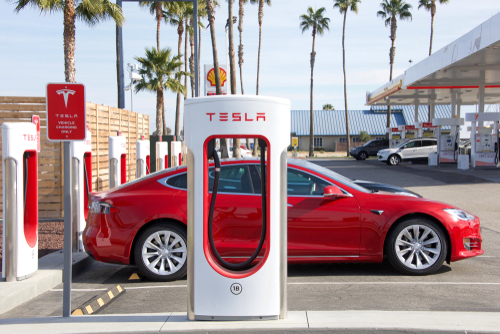
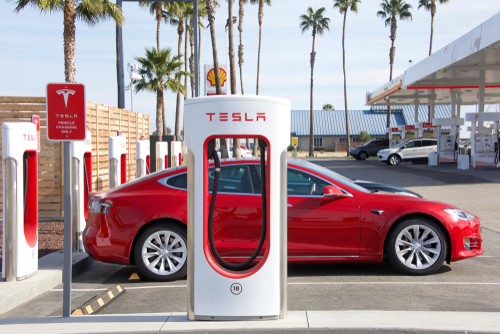
    Reports indicate that a wave of used EVs is beginning to hit the market as leases expire, forcing automakers to rethink how they handle pricing and inventory. What was once sold as the inevitable future is now a dud cause with minimal demand. When those vehicles return to the secondary market, they must compete on price, performance, and practicality, not ideology. That is where the cracks begin to show.

    This ties directly into what I have warned about with government attempts to force economic outcomes through policy. The Biden administration pushed aggressively toward electrification under the banner of climate policy and Net Zero, but this was never purely about the environment. It was about directing capital, restructuring industry, and attempting to control long-term consumption patterns. The problem is that markets do not respond to mandates the way politicians expect.

    Nearly 4,000 US car dealers warned the Biden Administration that consumer demand would not keep pace with supply. You cannot force consumers into a product they are not ready to adopt, especially in an environment where the cost of living is already rising.

    Electric vehicles still account for only about 7–8% of total US vehicle sales, yet federal policy aimed to push that figure toward 50% or more by 2032 through emissions rules that effectively function as mandates. At the same time, EVs remain significantly more expensive, with average transaction prices roughly $8,000 higher than comparable gas vehicles.

    Government attempted to accelerate this transition through incentives and mandates. The Inflation Reduction Act introduced tax credits of up to $7,500 per vehicle, effectively subsidizing purchases to stimulate demand. Meanwhile, federal policy called for the entire government fleet to transition to zero-emission vehicles by 2035, impacting hundreds of thousands of vehicles.

    You can already see the early signs of that correction in the used EV market. As more vehicles come off lease, prices are under pressure because supply is increasing faster than demand. Automakers are now adjusting strategies, trying to manage resale values and prevent a collapse in pricing. This is the same pattern we have seen in other sectors. When supply is artificially expanded through policy, it eventually overwhelms real demand.

    The used car market in general is far beneath the levels witnessed in 2022. EVs are far more difficult to offload. Industry estimates show that more than 300,000 electric vehicles will come off lease in 2026 alone, with projections rising toward 500,000 or more as we move into 2027. This is a surge of supply that the market must absorb whether demand is ready or not.

    New EV sales have already dropped 28% year-over-year in early 2026, while used EV sales have risen 12%, reaching nearly 93,500 units in a single quarter. Pricing confirms that shift. Used EV prices have fallen dramatically, in some cases dropping as much as 40% over the past year, and are now within roughly $1,300 of comparable gasoline vehicles. That is a market adjusting to oversupply. When prices fall that quickly, it reflects a mismatch between production and real demand.

    Cost, convenience, infrastructure, and reliability all matter more than political objectives. The government will always fail when it attempts to artificially stimulate demand.


    Source link

    Share. Facebook Twitter Pinterest LinkedIn Tumblr Email

    Related Posts

    Market Talk – April 29, 2026

    April 29, 2026

    Starmer’s Collapse Is A Vote Against Policy Failure

    April 29, 2026

    Google Partners With The Pentagon To Sell Your Data

    April 29, 2026
    Top News

    Last chance to submit for Best Workplaces for Innovators 2026

    By Staff WriterMarch 30, 2026

    Fast Company is extending its application deadline for Best Workplaces for Innovators 2026 to Friday,…

    How Marketers Can Stay Irreplaceable in the AI Era

    September 12, 2025

    7 Engaging Group Activities for Adults to Try This Weekend

    March 22, 2026

    Texas House Passes Congressional Redistricting Bill After Absconding Dems Return

    August 21, 2025
    Top Trending

    This common travel habit is now banned on American Airlines flights

    By Staff WriterApril 29, 2026

    Passengers flying with low battery on their phones might be out of…

    Market Talk – April 29, 2026

    By Staff WriterApril 29, 2026

    ASIA: The major Asian stock markets had a mixed day today: •…

    Uber just expanded into hotels, AI, and ‘room service’ and it’s moving fast

    By Staff WriterApril 29, 2026

    Uber Technologies is doing everything it can to save its customers’ time,…

    Categories
    • Business
    • Economy
    • Headline News
    • Top News
    • US Politics
    • World Politics
    About us

    The Populist Bulletin serves as a beacon for the populist movement, which champions the interests of ordinary citizens over the agendas of the powerful and entrenched elitists. Rooted in the belief that the voices of everyday workers, families, and communities are often drowned out by powerful people and institutions, it delivers straightforward, unfiltered, compelling, relatable stories that resonate with the values of the American public.

    The Populist Bulletin was founded with a fervent commitment to inform, inspire, empower and spark meaningful conversations about the economy, business, politics, inequality, government accountability and overreach, globalization, and the preservation of American cultural heritage.

    The site offers a dynamic mix of investigative journalism, opinion editorials, and viral content that amplify populist sentiments and deliver stories that echo the concerns of everyday Americans while boldly challenging mainstream narratives that serve the privileged few.

    Top Picks

    This common travel habit is now banned on American Airlines flights

    April 29, 2026

    Market Talk – April 29, 2026

    April 29, 2026

    Uber just expanded into hotels, AI, and ‘room service’ and it’s moving fast

    April 29, 2026
    Categories
    • Business
    • Economy
    • Headline News
    • Top News
    • US Politics
    • World Politics
    Copyright © 2025 Populist Bulletin. All Rights Reserved.

    Type above and press Enter to search. Press Esc to cancel.