
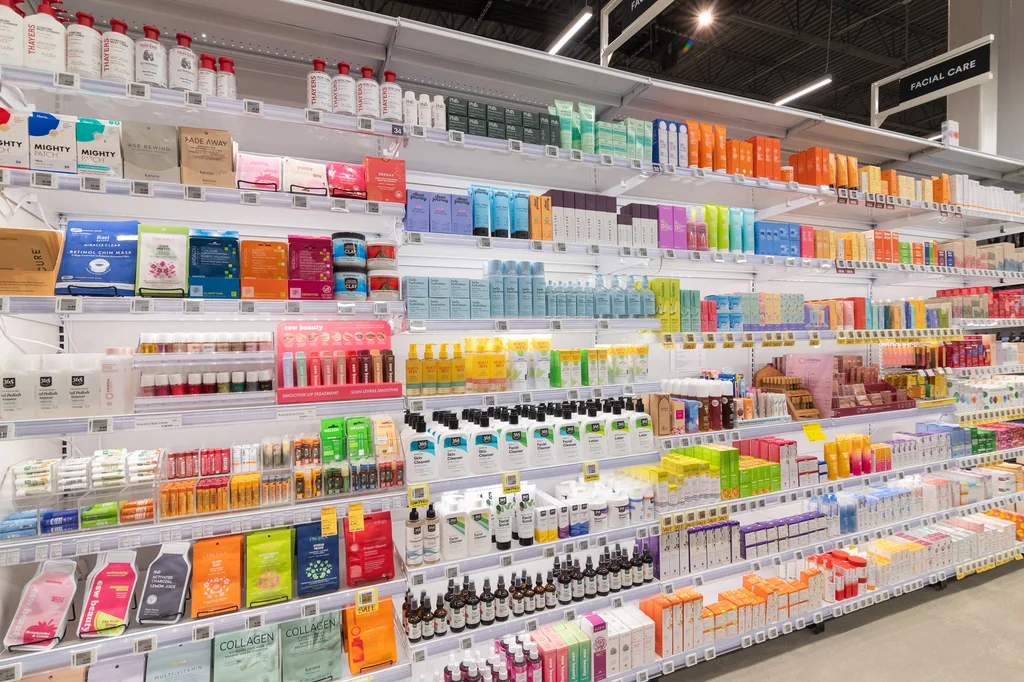
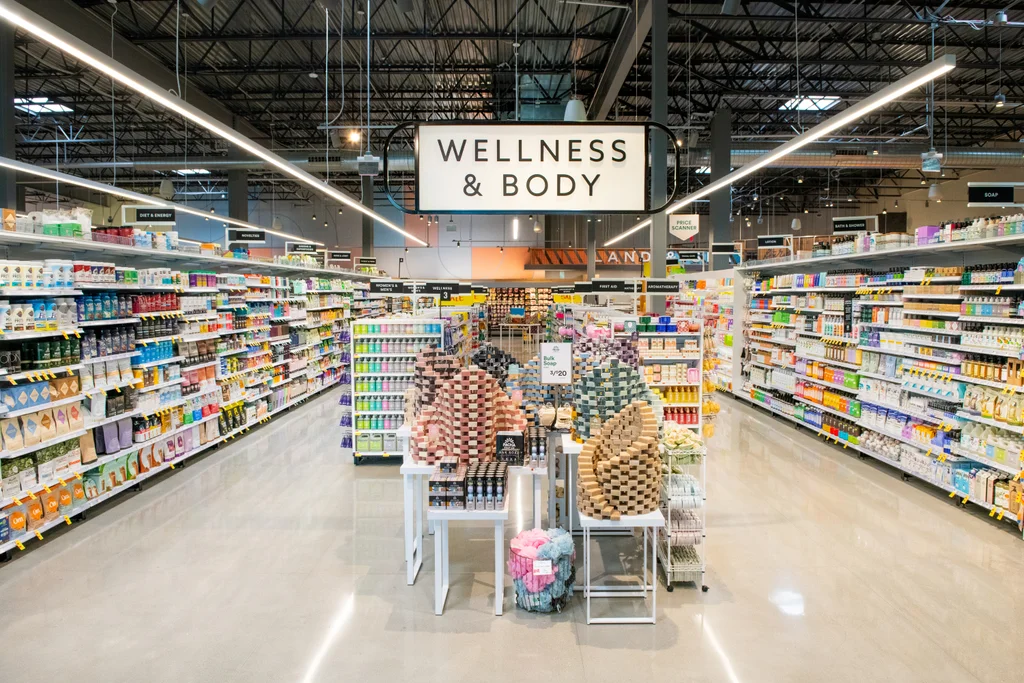
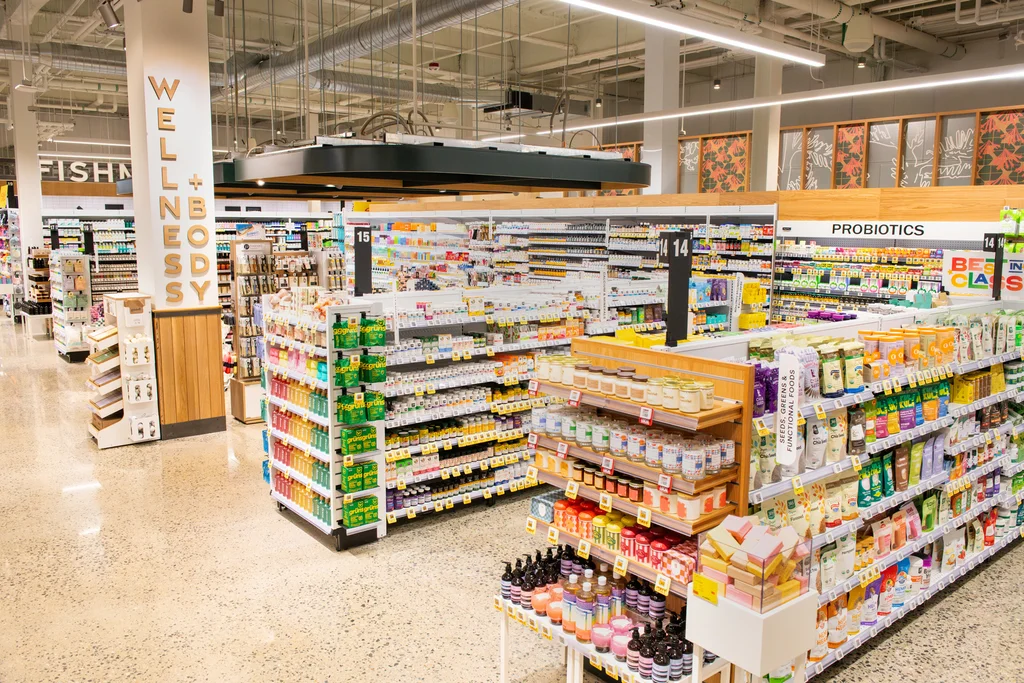
The beauty section at my local Whole Foods just got a glow-up. Steps from the entrance, just past the fruits and vegetables, the beauty aisle is now overflowing with dozens of new brands and products.
Alongside the Pacha bath bombs and Dr. Bronner’s soaps that have long been staples, you can find Cocokind’s electrolyte water cream, a moisturizer that promises to give you the glassy skin that’s so popular on TikTok. Magic Molecule vows to clear acne with a spritz of its viral skin spray. Then there’s Indie Lee. Fifteen years after helping pioneer clean skincare, the brand just debuted Indie Lee Botanicals exclusively at Whole Foods.
Since the 1980s, Whole Foods Market has been synonymous with organic produce and the affluent neighborhoods that can afford it. But over the past two years, the grocer—which Amazon acquired in 2017—has been quietly turning itself into a beauty destination. In any given week, the retailer sells products from 100 brands, according to Kat Stevenson, Whole Foods’s senior category merchant for beauty (for comparison, Sephora has around 400 brands).
Now emerging beauty brands are vying for a spot on Whole Foods’s shelves by courting its merchants with exclusive lines and reformulating their products to avoid the 200 ingredients that Whole Foods bans.
Whole Foods’s push into beauty is strategically timed. A volatile economy and skyrocketing inflation have made consumers across all economic backgrounds more careful with their money. Even the wealthier shoppers who frequent Whole Foods are looking to cut costs, and some are flocking to lower-priced grocers. (For instance, Walmart’s market share gains now come from households making upwards of $100,000 and $200,000 a year.)
But while the groceries at Whole Foods have a reputation for being pricey, its beauty shelves skew toward the accessible end of the market, well below what shoppers are used to paying in premium stores like Sephora or Bluemercury. Whole Foods is betting it can capture a bigger share of the budget-constrained shoppers’ dollars by offering clean, high-quality beauty products at prices that undercut prestige beauty retailers.
So far, the gambit seems to be working: In-store customers at Whole Foods are continuing to shell out for its merchandise, but they’re shifting a share of their purchases away from groceries to things like beauty. “We’re not seeing [our customers] reduce their spend,” Stevenson says. “They’re changing the way they’re spending.”
Beauty’s shelf-space wars
Beauty is a thriving business. Americans spent $36 billion on high-end (or “prestige,” in industry parlance) beauty products last year, and another $72.7 billion on mass-market beauty, according to market research firm Circana. McKinsey estimates the global beauty industry’s value at $450 billion.
Over the past decade, the barriers to starting a beauty brand have steadily fallen away. Third-party chemists can quickly formulate and manufacture products; you can launch an online store in minutes with Shopify; and you can hire an army of influencers to promote your latest serum.
As a result, the beauty market has become flooded with products. Analyst firm NielsenIQ has identified that there are 2,200 independent beauty brands on the market that generate upwards of $1 million in annual sales, and 57 that generate upwards of $50 million.
The upshot is that beauty brands are facing steeper competition than ever before. It’s become difficult for a new beauty label to break out in such a crowded market. “There’s total market saturation,” says Indie Lee, founder of her eponymous brand.
One way for a brand to get in front of customers is to score a spot on the shelves of a major retailer. For years, the most coveted were Sephora and Ulta Beauty, whose physical stores and online sites attract tens of millions of customers weekly. But that access comes at a steep price. When I reported on Sephora two years ago, brands told me they often paid hundreds of thousands of dollars for fixtures in the stores, signed exclusivity agreements that kept them off competitors’ shelves, and were encouraged to co-create products with merchants to ensure they filled a niche. For many brands, this required securing funding from venture capital firms.
But inflation is changing the game. In 2025, the growth of the prestige beauty market cooled to 4%, down from 14% in 2023. Ulta, which mixes drugstore staples with high-end brands, has thrived in an environment where many customers are trading down to less-expensive beauty products: Its sales grew nearly 10% last fiscal year to $12.4 billion.
Stevenson says that around two years ago, Whole Foods realized it had an opportunity to grow its beauty business. At the time, she says the beauty aisle—like the rest of the store—tilted toward more expensive merchandise. It wasn’t delivering the kind of newness that beauty shoppers like to see.
“We saw we were maybe losing our customers a little bit, and we needed to revive our space,” she says.
As Stevenson and other merchants have brought in new brands (Whole Foods added 10 new beauty brands in 2026), they’ve found a sweet spot in delivering beauty products at affordable prices. She believes that consumers—and especially Whole Foods customers—are educated enough to understand what makes a beauty product a good value.
Indeed, a Circana survey found that only 14% of consumers believe higher prices signal better quality. “As they have become more knowledgable, customers know they don’t need a 10-step skincare routine to achieve the results they’re looking for,” Stevenson says. “They also don’t necessarily have the budget for it.”
In order to stand out from other affordable beauty retailers on the market—like Target and Ulta—Whole Foods is leaning into its hard-earned reputation for offering clean, nontoxic products. Since its founding in Austin in 1980, the grocer has helped bring organic food into the mainstream. In 2003 it became the first national grocer to be certified organic, cementing its image as a place where shoppers can trust what’s on the shelves.
What It Takes to Make the Shelf
For beauty brands, getting onto the shelves of Whole Foods means clearing a very high ingredient standard. The company bans more than 200 ingredients from its personal care products, including PFAS (aka “forever chemicals”); formaldehyde; and phenylethyl resorcinol, used as a skin brightener. It posts the whole list on its supplier portal so that brands can check their formulas before pitching their products.
“All brands, even if they’re not currently working with us, can download that and cross-reference to see if the ingredients in their formulations exist in that file, and whether they’re approved or not,” Stevenson says.
If an ingredient isn’t on the list, the brand can submit a form to Whole Foods’s quality standards team for further investigation. Magic Molecule, a fast-growing startup that launched in Whole Foods this year, experienced this rigorous process up close.
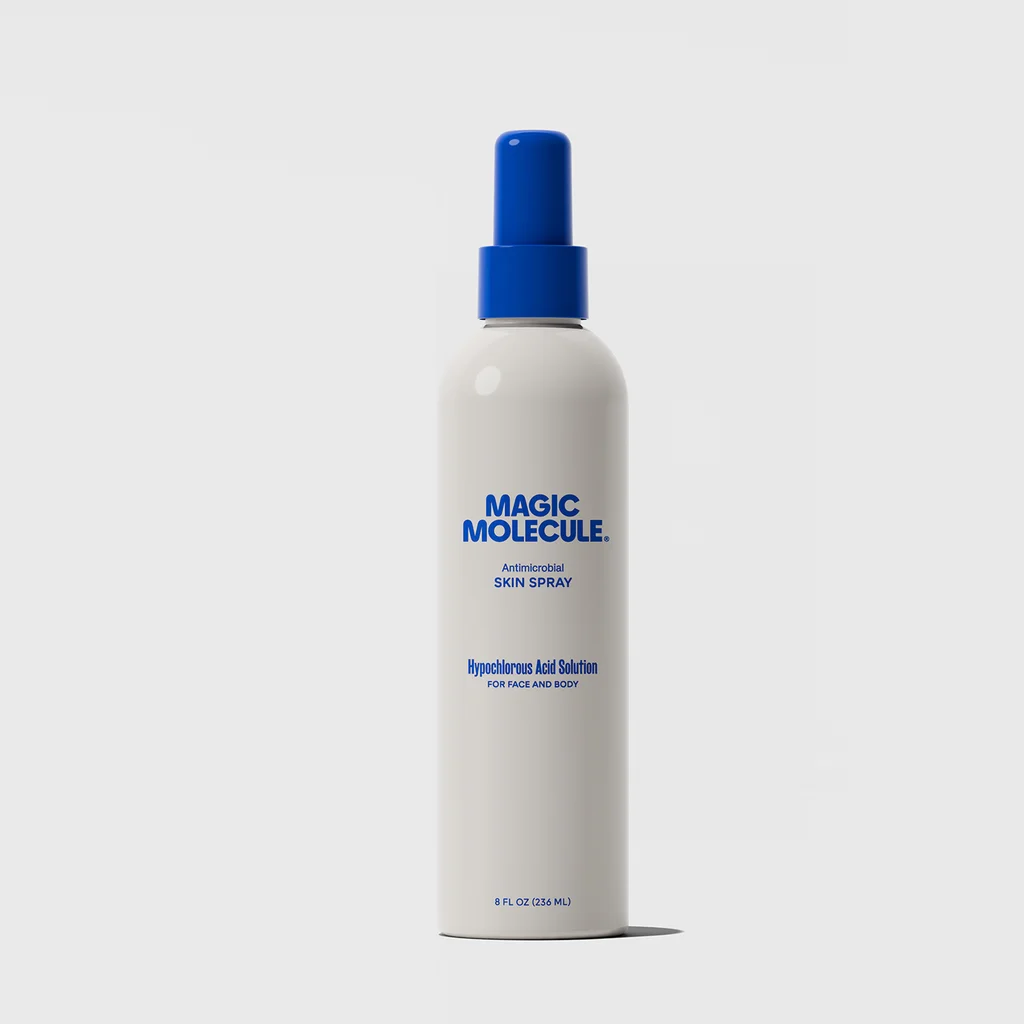
The company makes an acne- and eczema-fighting spray whose key ingredient is hypochlorous acid, a compound the body produces to fight bacteria. Within two years of its 2023 launch, the brand was available in Ulta, Target, CVS, and Erewhon. Whole Foods, however, had never carried a product containing hypochlorous acid, and wanted to make sure the ingredient was safe.
Before agreeing to carry Magic Molecule in its stores, Whole Foods reviewed the brand’s own scientific research, safety and stability testing, and documentation of its clearance by the U.S. Food and Drug Administration.
Justin Kerzner, Magic Molecule’s founder and CEO, says jumping through these hoops was worth it because Whole Foods has built trust with consumers for its product safety. And it’s also helpful as the brand continues to grow its retail footprint. “Whole Foods is a great validator for us,” Kerzner says. “People see the logo, they see the Whole Foods launch, and they believe we must be legit.”
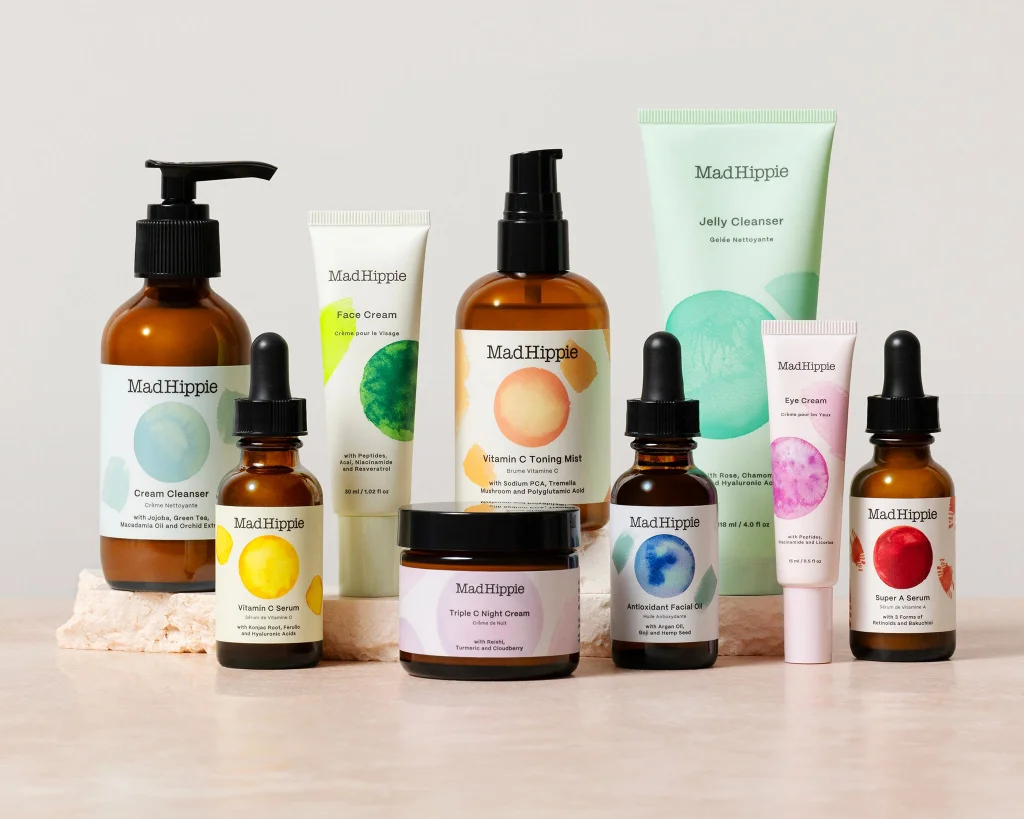
For emerging beauty brands, a Whole Foods seal of approval can be the key to their growth. Take Mad Hippie, Whole Foods’s top-selling facial care brand. When the company launched in 2009, founders Sam and Dana Stewart carefully formulated every product to Whole Foods’s standards before pitching to the retailer.
Over the last 15 years, Whole Foods has fueled Mad Hippie’s growth, from being sold in a few stores to being sold nationally—all without external investment. Sam Stewart attributes this growth to Whole Foods’s extensive vetting process, which gives customers confidence. “Just to be on the shelves, it means you have met Whole Foods’s criteria,” he says.
As Stevenson and her team of beauty merchants sorts through inbound requests, their goal is to figure out what the Whole Foods customer is looking for, and what is currently missing in the assortment. Promising brands get a meeting, and the team digs into how their products are selling at other retailers before deciding whether they deserve a spot. The process can take up to a year.
Whole Foods approaches its merchandising in a distinctly different way from other beauty retailers. For instance, while Sephora and Ulta stay on top of the latest beauty trends bubbling up on TikTok, Stevenson tends to be wary of fads. Sometimes, she waits to see whether hot new ingredients—like collagen or niacinamide—are a passing craze or not. “We want to bring in trends that are meaningful and that we see longevity in, as well as meeting our quality standards,” she says.
Then there’s the packaging. For years, high-end beauty brands competed on presentation, from frosted jars to toylike bottles that would stand out on crowded shelves. Whole Foods is taking the opposite approach.
Stevenson is much more interested in sustainability, which means minimal packaging made of glass and recycled paper. She likes shampoo bars and concentrates that use less plastic. “I love it when a brand uses an aluminum tube,” she says, noting the material is infinitely recyclable.
When a brand pitches something overpackaged, it’s not a deal-breaker. But Stevenson might request a packaging change before bringing the products in-store. “If a package is unnecessarily bulky, I push back,” she says. “We want products to look great, but we know we can achieve that without a ton of plastic.”
Everyone wants a beauty aisle
Whole Foods isn’t the only retailer rethinking its beauty aisle. Across the country, big-box chains and grocers that once tucked makeup into a corner near the pharmacy are redesigning their beauty departments. And they’re stocking these shelves with brands shoppers used to have to go to Sephora to find.
Walmart, for instance, is moving aggressively. As part of a plan to remodel 650 stores by the end of the year, it’s building beauty counters at the front of the store, much like you might find at a department store. They’re staffed with beauty advisers, and include premium brands like La Roche-Posay and Nude by Nature. Walmart says that three-quarters of its beauty sales growth has come from new and premium brands.
Target is also betting on beauty as it tries to break out of its slump and return to growth. In 2024, its beauty sales rose 5% while overall merchandise sales slipped. When its partnership with Ulta ended this summer, Target replaced the Ulta shop-in-shops with its own concept, Target Beauty Studio, which launched in September in more than 600 stores with 90 prestige, emerging, and global brands, more than two-thirds of which are new to Target.
The move make sense. In an economy where consumers are cutting back, beauty is growing, as would be predicted by the “Lipstick Effect”—the theory that during economic downturns, consumers opt for small, affordable luxuries. True to form, prestige beauty sales rose 4% last year, and mass beauty rose 5%, according to Circana.
Whole Foods now occupies an interesting place in the beauty landscape. While big-box retailers are competing on breadth, Whole Foods is focused on careful curation, leveraging the trust it has built with consumers for decades. While many consumers are familiar with the grocer’s standards around organic and Fair Trade products, they might be less familiar with its rigorous standards around personal care. “We are probably a lot more strict than people think,” Stevenson says.
It’s a smart play. Whole Foods has long been teased as the grocer that will force you to spend your “Whole Paycheck.” By moving quickly to become a destination associated with good value and low prices—at least in some categories—it might be able to shed that reputation at a time when even its well-heeled customers are tightening their belts. As Stevenson puts it: “You really don’t need to spend that much on something you’re just going to rinse off.”