

On a rural road in Kansas, surrounded by farm fields, a startup called Vaulted Deep is pioneering a new type of carbon removal: injecting animal manure and sewage sludge 1,000 feet underground to permanently store CO2.
One of its biggest customers is Google, which announced today that it plans to buy 50,000 tons of carbon removal from the startup over the next five years. Microsoft announced a similar deal in July.
It’s part of the tech giants’ broader effort to deal with their carbon footprints as AI energy demand grows. The companies are also trying to help accelerate new solutions that others can use.
“Our carbon removal program is all about finding the right ways to fix the atmosphere—and then being the tip of the sphere to catalyze those right ways,” says Randy Spock, who leads Google’s work on carbon removal. “What we look for in that regard is pretty simple. We care about things that can be highly certain of having impact. And can reach really high scale to the extent that they can put a dent in climate change.”
How Vaulted Deep tackles two problems
Vaulted Deep’s unconventional approach “tackles two problems at once,” says CEO Julia Reichelstein. “We tackle excess organic waste and what to do with it in a safe, affordable, scalable way. And then we also tackle the problem of climate change.”
The company injects the waste into rock formations deep underground, where it’s locked up for hundreds of thousands of years. It doesn’t decompose and add CO2 and methane emissions to the air. (It’s also far away from groundwater, so it doesn’t create new pollution.)
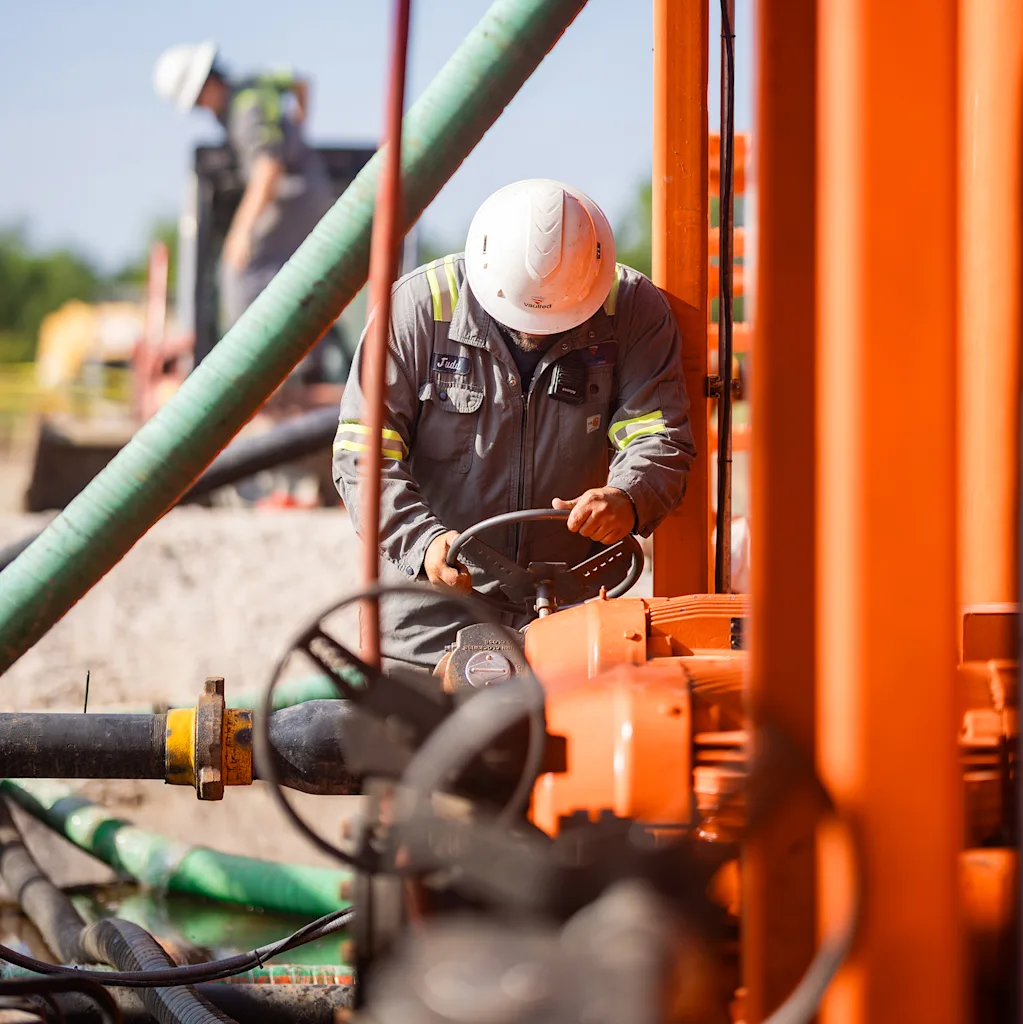
At the startup’s site in Kansas, dozens of trucks deliver waste each day. Most of it comes from nearby cattle feedlots. “If you go to these feedlots, you’ll often see mountains of manure piled up,” Reichelstein says. That leads to multiple issues beyond climate pollution. Runoff from the waste pollutes water and can lead to algae blooms and dead zones. The stink can travel miles. Methane from the manure adds to local air pollution.
That’s a deeper problem in the food system: The environment can’t keep up with current levels of meat production. Americans now eat around twice as much meat, per capita, as they did a century ago. Small family farms used to be able to use manure as fertilizer on nearby fields; now there’s far more poop than farms can use.
But until Americans start eating fewer burgers, Vaulted Deep’s approach offers another way to deal with the excess waste.
Farms aren’t the only challenge—human waste from wastewater treatment plants is often spread out on fields to return to the soil. That can introduce other problems, including pollution from PFAS (forever chemicals) or other contamination found in the waste.
Waste is also sometimes sent to landfills or incinerated. Vaulted Deep can also make use of waste from paper mills, which causes other pollution. The company plans to build multiple sites across the country to deal with organic waste.
Turning waste tech into climate tech
Vaulted Deep spun out from another company, Advantek, that has been injecting waste underground in L.A. for 15 years. Initially, the technology focused only on the problem of disposal.
Most sewage sludge from Los Angeles is either shipped to California’s Central Valley, causing pollution issues, or used to produce electricity. (Turning poop into electricity doesn’t eliminate emissions, though it’s called renewable energy.) Putting some of the waste deep underground—8,000 feet deep, in that case—helped reduce how much was being sent elsewhere.
When Reichelstein learned about the technology, she helped launch Vaulted to focus on the climate benefits, knowing that it was a relatively simple and affordable way to store CO2 durably. When the startup sells carbon removal to companies, it measures how much carbon in the waste otherwise would have been emitted on a field or in a landfill. Now, it’s working with Google to also measure how much methane is being reduced.
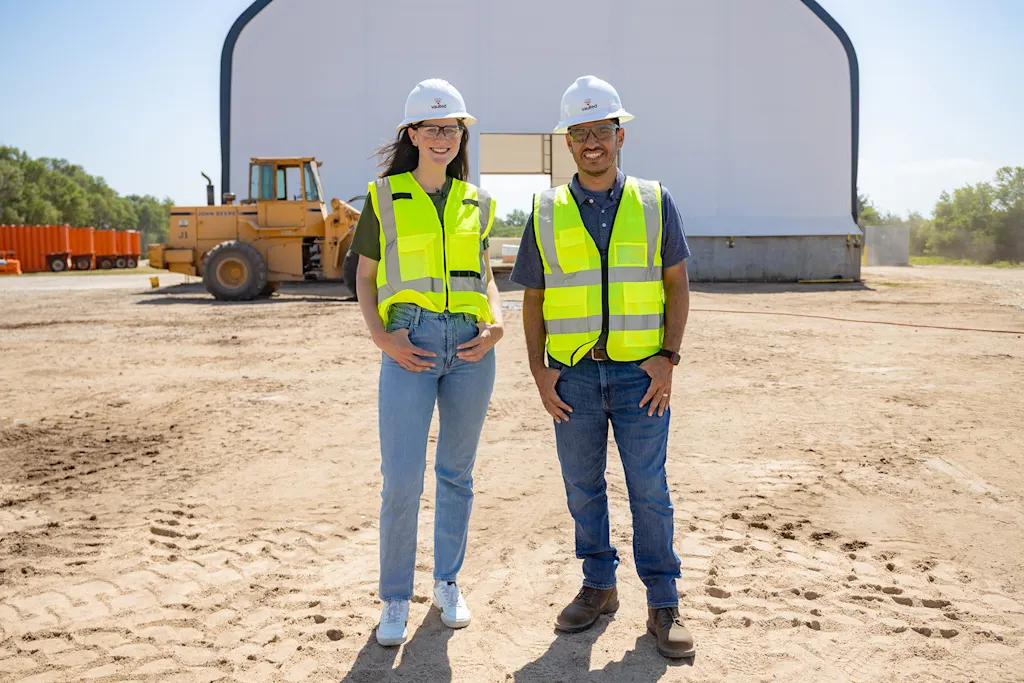
Google is especially interested in tackling “superpollutants” like methane, which are heating up the planet even faster than CO2. In the short term, methane has around 80 times the warming power of CO2.
“The IPCC (Intergovernmental Panel on Climate Change) estimates that these superpollutants, like methane, have been responsible for close to half of planetary warming to date,” says Spock. “Everyone agrees if we don’t take action to destroy them, they will keep warming the planet really rapidly in the near term. So if we only focus on CO2, we’re only focusing on a piece of the puzzle rather than the whole planet puzzle.”
The tech company is paying for carbon removal from a wide range of companies, from a startup helping fight ocean acidification to a company that helps HVAC (heating, ventilation, and air conditioning) technicians destroy HFCs (hydrofluorocarbons), another superpollutant, from air conditioners. The goal is to support as many potential solutions as possible, as quickly as possible.
“We’re keenly aware that we are at the starting line of these efforts as a planet,” says Spock. “And now is the time to cast a really wide net and see what works at pilot scale, so that we can make an informed decision about what makes sense to really press the accelerator on as a planet.”