Close Menu
    Facebook X (Twitter) Instagram
    TRENDING :
    • This common travel habit is now banned on American Airlines flights
    • Market Talk – April 29, 2026
    • Uber just expanded into hotels, AI, and ‘room service’ and it’s moving fast
    • Social media’s big tobacco moment is just a first step
    • Ghirardelli Chocolate products recalled over Salmonella fears. Avoid this list of 13 beverage mixes
    • Google, TikTok and Meta could be taxed by Australia to fund its newsrooms
    • MacKenzie Scott says we underestimate the impact of small acts of kindness. Science agrees
    • Trump says Iran ‘better get smart soon’ as economies deal with skyrocketing energy prices
    Compatriot Chronicle
    • Home
    • US Politics
    • World Politics
    • Economy
    • Business
    • Headline News
    Compatriot Chronicle
    Home»Economy»First-Time Homebuyers Disappear | Armstrong Economics
    Economy

    First-Time Homebuyers Disappear | Armstrong Economics

    April 13, 20262 Mins Read
    Share Facebook Twitter Pinterest LinkedIn Tumblr Telegram Email Copy Link
    Follow Us
    Google News Flipboard
    Share
    Facebook Twitter LinkedIn Pinterest Email


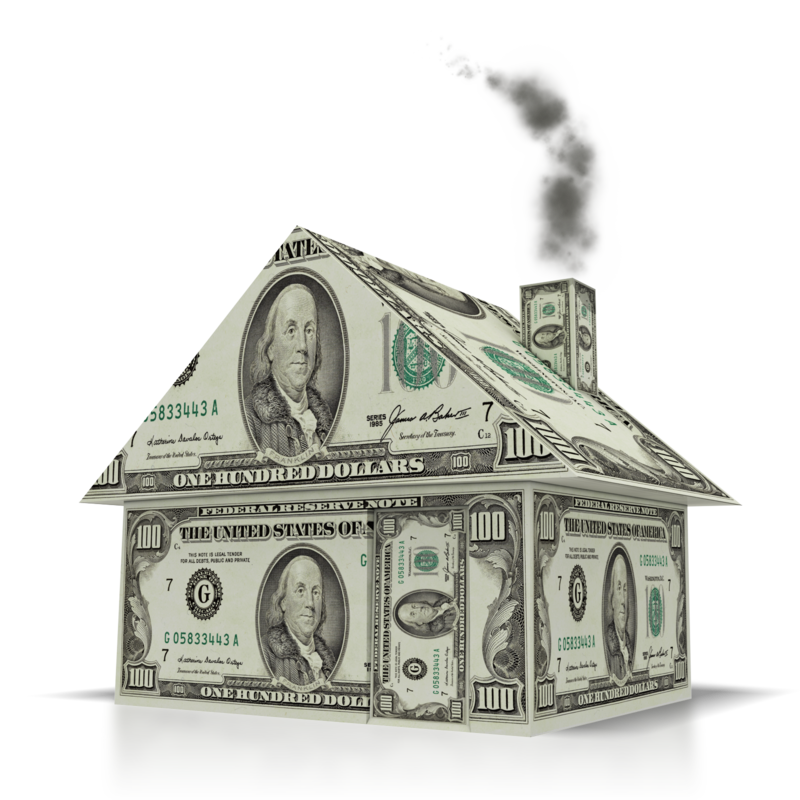
    The American housing market is revealing a shift that goes far beyond rising interest rates, because what we are witnessing is the disappearance of the entry-level buyer, and once that foundation erodes, the entire structure of the market becomes unstable.

    The data is striking. The income required to purchase a typical home has climbed to around $111,000, a level far beyond what most young workers earn, while the median age of first-time homebuyers has surged to 40. That alone tells you everything. A generation that should be forming households in their late 20s and early 30s is now being pushed a decade or more down the timeline.

    At the same time, nearly two million “missing households” have been identified, representing young adults who, under normal conditions, would have entered the housing market but simply cannot. This is not a demand problem. It is an affordability collapse.

    The implications extend beyond real estate. Housing has always been a primary driver of economic activity, influencing everything from construction to consumer spending. When young people are unable to buy homes, they delay other major life decisions, which feeds back into the economy as slower growth and reduced momentum.

    What policymakers fail to acknowledge is that this is not simply the result of interest rates. It is the consequence of years of artificially inflated asset prices combined with stagnant wage growth. The system has been stretched to the point where even small increases in borrowing costs can shut out entire segments of the population.

    From the standpoint of capital flows, housing has become less about shelter and more about investment, and that shift has created a market where prices are sustained by capital rather than affordability. The entry point for new buyers rises continuously, eventually reaching a level where participation becomes impossible.


    Source link

    Share. Facebook Twitter Pinterest LinkedIn Tumblr Email

    Related Posts

    Market Talk – April 29, 2026

    April 29, 2026

    Starmer’s Collapse Is A Vote Against Policy Failure

    April 29, 2026

    Google Partners With The Pentagon To Sell Your Data

    April 29, 2026
    Top News

    Y Combinator’s CEO says he ships 37,000 lines of AI code per day. A developer looked under the hood

    By Staff WriterApril 2, 2026

    We love a good old social media roast, and Y Combinator CEO Garry Tan found…

    Digital ticketing was supposed to stop fraud, but ticket scams have gotten worse—just ask Taylor Swift 

    January 10, 2026

    The Two Reputations of Robert E. Lee

    September 4, 2025

    Disney-YouTube TV blackout angers cord cutters who ditched cable only to find the same hassles on streaming

    October 31, 2025
    Top Trending

    This common travel habit is now banned on American Airlines flights

    By Staff WriterApril 29, 2026

    Passengers flying with low battery on their phones might be out of…

    Market Talk – April 29, 2026

    By Staff WriterApril 29, 2026

    ASIA: The major Asian stock markets had a mixed day today: •…

    Uber just expanded into hotels, AI, and ‘room service’ and it’s moving fast

    By Staff WriterApril 29, 2026

    Uber Technologies is doing everything it can to save its customers’ time,…

    Categories
    • Business
    • Economy
    • Headline News
    • Top News
    • US Politics
    • World Politics
    About us

    The Populist Bulletin serves as a beacon for the populist movement, which champions the interests of ordinary citizens over the agendas of the powerful and entrenched elitists. Rooted in the belief that the voices of everyday workers, families, and communities are often drowned out by powerful people and institutions, it delivers straightforward, unfiltered, compelling, relatable stories that resonate with the values of the American public.

    The Populist Bulletin was founded with a fervent commitment to inform, inspire, empower and spark meaningful conversations about the economy, business, politics, inequality, government accountability and overreach, globalization, and the preservation of American cultural heritage.

    The site offers a dynamic mix of investigative journalism, opinion editorials, and viral content that amplify populist sentiments and deliver stories that echo the concerns of everyday Americans while boldly challenging mainstream narratives that serve the privileged few.

    Top Picks

    This common travel habit is now banned on American Airlines flights

    April 29, 2026

    Market Talk – April 29, 2026

    April 29, 2026

    Uber just expanded into hotels, AI, and ‘room service’ and it’s moving fast

    April 29, 2026
    Categories
    • Business
    • Economy
    • Headline News
    • Top News
    • US Politics
    • World Politics
    Copyright © 2025 Populist Bulletin. All Rights Reserved.

    Type above and press Enter to search. Press Esc to cancel.