Close Menu
    Facebook X (Twitter) Instagram
    TRENDING :
    • 10 Lessons From 10 Years — How to Build a Lasting Business
    • Everyone’s Arguing About AGI Taking Over — Here’s What Matters
    • Every Founder Should Ask This Question Before Taking on Debt
    • His Podcast Is on Track for $60 Million in Revenue. How He Grew.
    • What Rejected College Applicants Can Teach Entrepreneurs
    • Design Lessons From Mattel’s Toy Machine
    • Your Customers Just Got an AI Agent. Is Your Business Ready?
    • Nearly half of U.S. mortgages have one thing in common, and it’s creating a huge problem
    Compatriot Chronicle
    • Home
    • US Politics
    • World Politics
    • Economy
    • Business
    • Headline News
    Compatriot Chronicle
    Home»Economy»The Black Sea Is Becoming Uninsurable
    Economy

    The Black Sea Is Becoming Uninsurable

    October 9, 20263 Mins Read
    Share Facebook Twitter Pinterest LinkedIn Tumblr Telegram Email Copy Link
    Follow Us
    Google News Flipboard
    Share
    Facebook Twitter LinkedIn Pinterest Email


    The Black Sea is rapidly becoming too dangerous for international commerce. Commercial vessels have been attacked near Romania, Bulgaria, Ukraine, and Russia within days of one another. Ships carrying agricultural products and petroleum are being dragged into a war. Politicians seem to forget that global trade depends on moving goods safely between nations. Once commercial shipping becomes a target, the economic consequences extend far beyond Russia and Ukraine. Insurance premiums rise, freight rates increase, and eventually those additional costs are passed directly to consumers who have absolutely nothing to do with this war.

    On October 5, a commercial vessel caught fire and sank off Romania, killing two people. The following day, two additional merchant vessels were struck by drones inside Bulgaria’s exclusive economic zone, with one reportedly sinking. Another vessel carrying agricultural oil was attacked near Odesa, while an oil tanker was struck off Russia’s Black Sea coast. Responsibility for some of these incidents remains disputed, but the economic consequences do not depend on which side launched the drones. Shipping companies must now calculate the possibility of losing an entire vessel and its cargo. Insurers must price that risk, and nobody in this business operates on charity.

    People do not understand how quickly the cost of war moves through the global economy. A ship owner facing increased war-risk insurance premiums will demand higher compensation to enter dangerous waters. Charter rates rise, cargo owners seek alternative routes, and ports become increasingly expensive to operate. If insurance becomes unavailable at a commercially reasonable price, vessels simply stop sailing certain routes. Every additional expense becomes part of the final price, whether that means wheat, cooking oil, gasoline, or the thousands of other products.
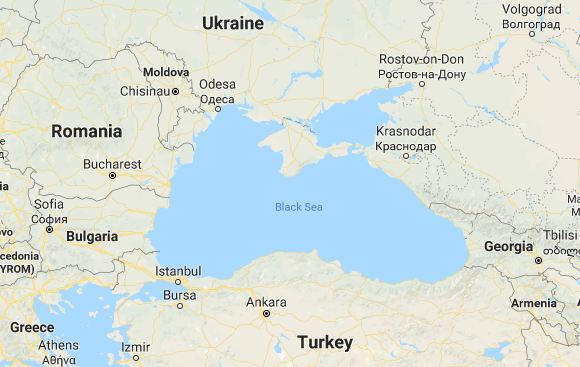
    Black Sea Map

    The Black Sea is particularly important because Russia and Ukraine are major agricultural exporters. Egypt, Turkey, and numerous countries across Africa and the Middle East depend on grain moving through this region. These governments cannot simply replace millions of tonnes of wheat overnight without paying more. We have already seen how disruptions to food supplies can contribute to political instability. The Arab Spring was not merely some spontaneous movement for democracy. Rising food prices, unemployment, and deteriorating living standards helped create the conditions for unrest. When people cannot afford to feed their families, political stability becomes impossible.

    The Black Sea provides access to important oil terminals and shipping routes, fueling the energy crisis. Attacking tankers and energy infrastructure increases the cost of transporting petroleum regardless of whether the underlying supply has been destroyed. Insurance companies do not distinguish between political propaganda and the actual probability of a vessel being struck.

    What makes this especially absurd is that Europe is already struggling with the consequences of its own energy policies, sanctions, and declining industrial competitiveness. Germany has watched energy-intensive industries suffer while Brussels continues demanding greater military expenditure. Now the same geopolitical confrontation threatens to increase the cost of transporting energy and agricultural commodities. The public is expected to pay higher taxes to finance the war, higher energy bills because of the war, and higher food prices as the commercial consequences spread. These people in government never seem to consider that ordinary citizens must somehow pay for all of this.

    The Black Sea does not have to be formally closed for the economic damage to become serious. It only has to become dangerous enough that commercial operators begin questioning whether the profits justify the risks. Once that happens, the market will make decisions that politicians cannot reverse with another press conference. The War Cycle is intensifying, and the consequences will not remain confined to the battlefield.


    Source link

    Share. Facebook Twitter Pinterest LinkedIn Tumblr Email

    Related Posts

    France & The Demise Of Macron

    October 22, 2026

    The Value Decade – Revolt Or Revolution

    October 22, 2026

    US Home Builder Pessimism Peaks

    October 22, 2026
    Top News

    How your personality impacts your career success (and what you can do about it)

    By Staff WriterFebruary 15, 2026

    Personality is one of the most underrated predictors of career success in the world. Defined…

    America’s Housing Stress Is Rising, But This Is Not 2008 All Over Again

    May 7, 2026

    15 AI Tools That Are Actually Saving Businesses Time

    July 16, 2026

    E-Commerce Survival: 7 Trends That Prove It Will Not Die

    September 13, 2026
    Top Trending

    10 Lessons From 10 Years — How to Build a Lasting Business

    By Staff WriterOctober 23, 2026

    Opinions expressed by Entrepreneur contributors are their own. Key Takeaways Building a…

    Everyone’s Arguing About AGI Taking Over — Here’s What Matters

    By Staff WriterOctober 23, 2026

    Opinions expressed by Entrepreneur contributors are their own. Key Takeaways Nvidia CEO…

    Every Founder Should Ask This Question Before Taking on Debt

    By Staff WriterOctober 22, 2026

    Opinions expressed by Entrepreneur contributors are their own. Key Takeaways A shrinking…

    Categories
    • Business
    • Economy
    • Headline News
    • Top News
    • US Politics
    • World Politics
    About us

    The Populist Bulletin serves as a beacon for the populist movement, which champions the interests of ordinary citizens over the agendas of the powerful and entrenched elitists. Rooted in the belief that the voices of everyday workers, families, and communities are often drowned out by powerful people and institutions, it delivers straightforward, unfiltered, compelling, relatable stories that resonate with the values of the American public.

    The Populist Bulletin was founded with a fervent commitment to inform, inspire, empower and spark meaningful conversations about the economy, business, politics, inequality, government accountability and overreach, globalization, and the preservation of American cultural heritage.

    The site offers a dynamic mix of investigative journalism, opinion editorials, and viral content that amplify populist sentiments and deliver stories that echo the concerns of everyday Americans while boldly challenging mainstream narratives that serve the privileged few.

    Top Picks

    10 Lessons From 10 Years — How to Build a Lasting Business

    October 23, 2026

    Everyone’s Arguing About AGI Taking Over — Here’s What Matters

    October 23, 2026

    Every Founder Should Ask This Question Before Taking on Debt

    October 22, 2026
    Categories
    • Business
    • Economy
    • Headline News
    • Top News
    • US Politics
    • World Politics
    Copyright © 2025 Populist Bulletin. All Rights Reserved.

    Type above and press Enter to search. Press Esc to cancel.