
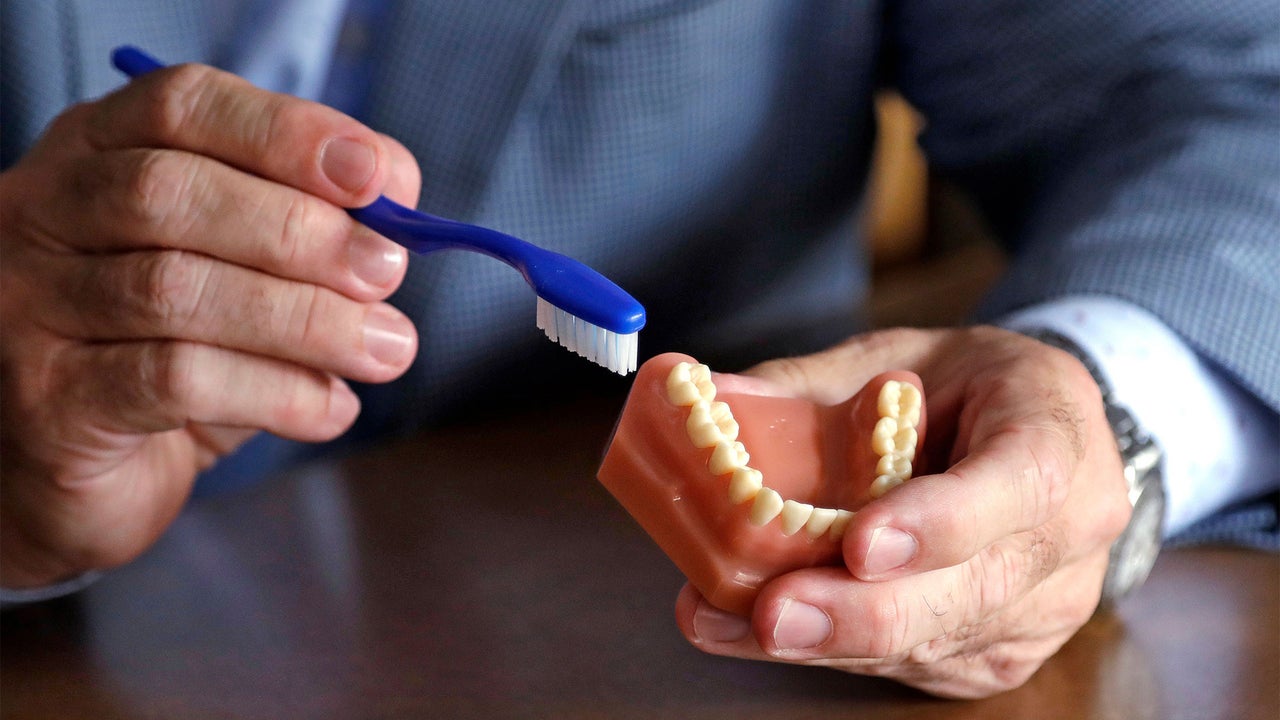
People often underestimate some expenses when planning for retirement. In my conversations with older adults about their in-retirement finances, they’ve repeatedly mentioned the cost of dental care. The reasons are straightforward: Our teeth get worse as we age, and yet dental care isn’t covered by Medicare (except for emergency dental procedures for people who are hospitalized).
There are three main avenues to covering dental costs during retirement: dental insurance, a Medicare Advantage program that covers dental care, and paying out of pocket.
Buying stand-alone dental insurance
Older adults can purchase stand-alone dental insurance with monthly premiums typically around $25 to $50. Coverage varies widely, however, with plans typically capping the dollar amounts they’ll cover in a year. Annual caps range from $1,000 to $2,500, providing scant protection against extensive and costly procedures. Many plans impose waiting periods that prevent you from receiving major procedures such as crowns or root canals within the first six to 12 months of coverage.
Dental insurance will often entail using specific providers. Dental health management organizations are the most restrictive, though they’re also the most economical.
The bottom line: The insurance premiums plus the annual coverage limits don’t point to a great economic case for carrying dental insurance into retirement. One countervailing argument is that people without dental insurance are more likely to go without dental care, according to data from the Medical Expenditure Panel Survey.
Medicare Advantage dental care
Many Medicare Advantage plans include dental care, along with vision care and hearing aids. Medicare Advantage is the managed-care, private-insurance version of Medicare; enrollees have to choose from a list of providers, so this won’t be a great option if your favorite provider isn’t on the list.
From a big-picture standpoint, it would be a mistake to let dental coverage—or any other ancillary service that a Medicare Advantage plan might offer—drive the decision about whether to opt for Medicare Advantage or traditional Medicare with a supplemental plan. True, Medicare Advantage plans can be more affordable, but their out-of-pocket limits can be high. Moreover, provider networks can be limiting, and plans may require referrals to see specialists, which can slow down care. Additionally, people switching out of Medicare Advantage into traditional Medicare will need to undergo medical underwriting for Medigap coverage.
The bottom line: All of these considerations suggest that dental coverage should be a secondary factor when determining healthcare coverage in retirement. If Medicare Advantage makes sense for your situation, consider dental coverage an extra perk.
Paying out of pocket for dental care
If you decide to cover dental care using your own assets, it can help to do a little fact-finding to estimate how much to budget. Look back on your dental costs over the past five years, before factoring in insurance; budget for routine preventive care. In addition, your dentist should be able to share a price list for common procedures.
Consult with your dentist to get ahead of procedures you may need in the near term. Then decide whether to get them done while you’re working and covered by insurance or wait until retirement.
Health savings accounts are ideal assets to earmark for dental care in retirement. Most dental procedures, save for cosmetic ones, can be covered by tax-free HSA withdrawals. Moreover, it’s important to use HSA assets during your own lifetime (and/or that of your spouse), because the tax benefits effectively cease after your death; withdrawals by nonspouse beneficiaries are taxed as ordinary income.
Alternatively, if your high dental expenses happen to coincide with other major healthcare outlays in a given year, you may be able to deduct those expenses on your tax return. (Dental expenses can be bundled with other healthcare outlays from the standpoint of deductions.) However, you can only deduct medical expenses in excess of 7.5% of your adjusted gross income. In addition, the higher standard deduction amounts, plus the new senior deduction, mean that many older adults will be better off claiming the standard deduction than they will itemizing.
The bottom line: For people with adequate financial assets, forgoing insurance and self-funding dental coverage can make sense. It gives you more control over where you receive dental care.
Additionally, once you factor in insurance premiums and annual caps, you won’t necessarily be that much ahead with insurance versus paying out of pocket. Your provider may also offer a discount if you’re not going through insurance.
This article was provided to The Associated Press by Morningstar. For more retirement content, go to https://www.morningstar.com/retirement.
Christine Benz is director of personal finance and retirement planning for Morningstar and co-host of The Long View podcast. Subscribe to her free newsletter, Improving Your Finances.
Related Links:
Think You’re Ready for Retirement? Start With This 9-Step Checklist
https://www.morningstar.com/personal-finance/retirement-readiness-checklist
Christine Benz: Why I Hired a Financial Planner
https://www.morningstar.com/personal-finance/why-i-have-financial-planner
Your HSA Needs a Succession Plan
https://www.morningstar.com/personal-finance/your-hsa-needs-succession-plan
—Christine Benz of Morningstar