
If you’ve been eager to try cultivated meat—meat grown from cells, without the need to raise an entire animal—your options, so far, have been limited. The innovation has only appeared on a handful of restaurant menus since its approval by the U.S. Food and Drug Administration (FDA)
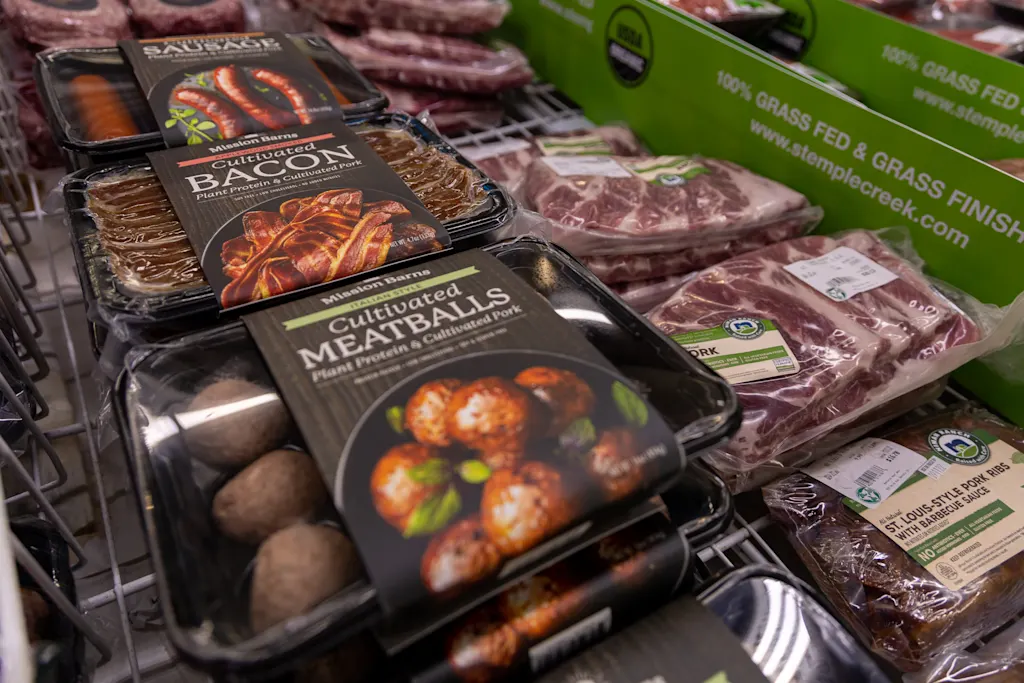
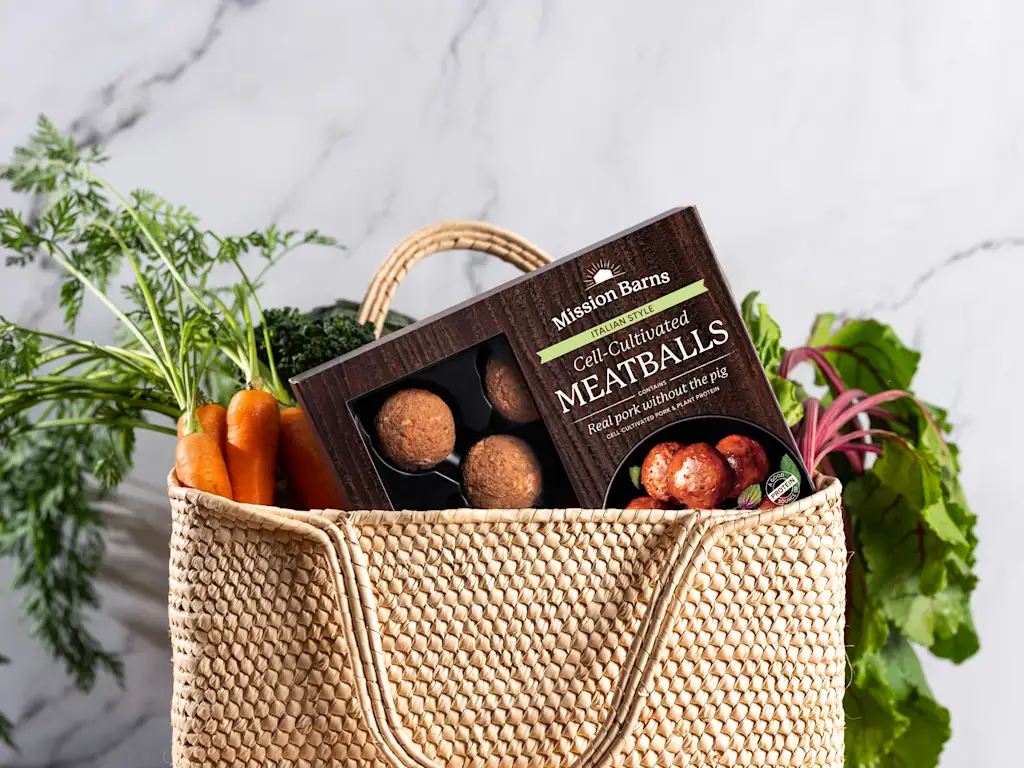
But if you’re in the Bay Area, you’re in luck: Cultivated meat startup Mission Barns will be selling its pork meatballs (made with a base of pea protein plus the company’s cultivated pork fat) at Berkeley Bowl West, one location of an independent grocery store in California.
It marks the first retail sale of cultivated meat in the United States, though the products are available for just one day only: Saturday, November 1.
That said, those in the area will have more chances to try Mission Barns’s cultivated meat products.
Along with the one-day sale, the company is hosting four in-store tastings at Berkeley Bowl, offering samples of its pork meatballs on November 1, January 17, and February 21, plus tastings of its cultivated pork salami on December 12.
Cultivated meat in restaurants
Cultivated meat (also called cell-cultured meat or lab-grown meat, though some in the industry contest that moniker) is still a nascent field.
Mission Barns first launched in 2018. Others like Upside Foods, which makes cultured chicken, and Wildtype, which develops cultivated fish, have been around just a little longer—since 2015 and 2016, respectively.
U.S. regulators approved the first sales of cultivated meat in 2023. And since then, a variety of call-cultured options have made a few brief appearances on restaurant menus. (That move followed Singapore’s 2020 approval of cultivated meat, and cultured meat has been sold both in restaurants and in retail in Singapore, like in the frozen section of a butchery.)
The Michelin-starred Bar Crenn in San Francisco briefly sold Upside’s chicken. Chef José Andrés piloted cultured chicken from Good Meat (owned by Eat Just) at his China Chilcano DC eatery. Otoko, a sushi restaurant in Austin, Texas, offered Wildtype salmon last summer (but stopped selling it after Texas lawmakers enacted a cultivated meat ban).
Mission Barns, too, debuted its cultivated pork meatballs and bacon at a few exclusive dinners at Fiorella in San Francisco this past September. But cultured meat hasn’t yet been sold in a grocery store in the United States, until November 1.
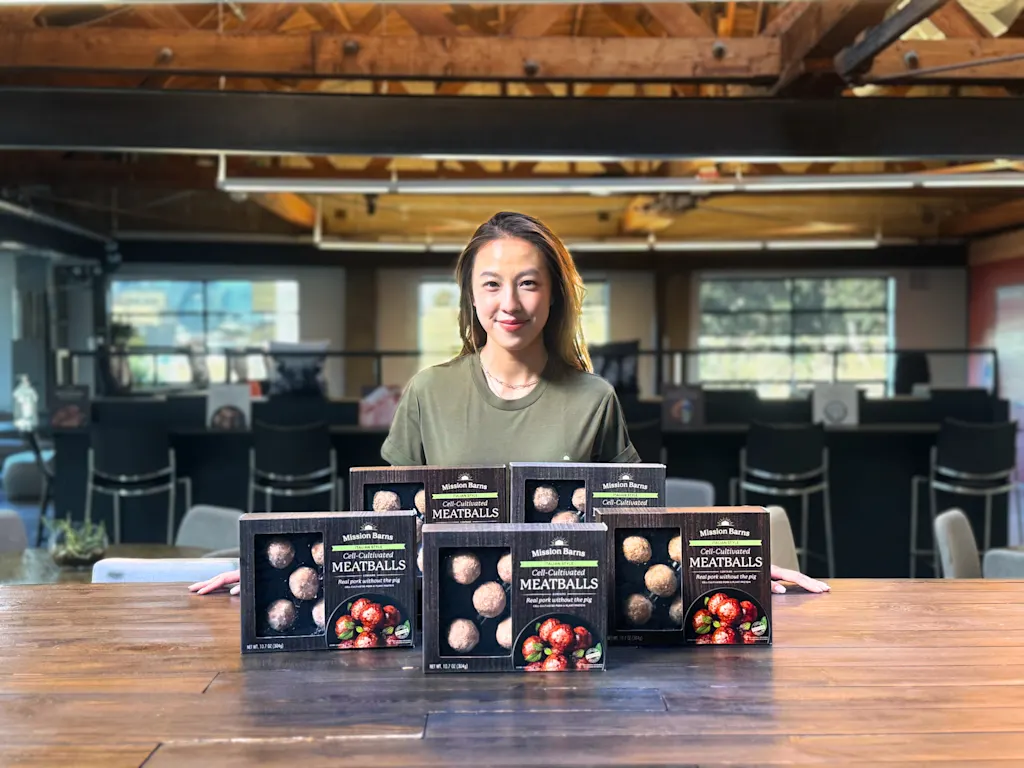
Mission Barns CEO Cecilia Chang says the startup picked Berkeley Bowl for this milestone because it has a “track record for innovation”; it’s been an early adopter of new plant-based brands. A 12 pack of the cultivated pork meatballs will be on sale for $13.99.
Mission Barns’s focus on fats
Though a handful of states—including Texas, Florida, and Alabama—have moved to ban cultivated meat even before its widespread availability, Chang doesn’t see cultured meat as controversial.
“I think people don’t know that much about it,” she says.
The in-store tasting series is a way to build up that consumer awareness and education. Mission Barns is collaborating with researchers from Tufts University’s Center for Cellular Agriculture, who will observe the tastings to see how people react and talk about such products in a setting outside of a focus group.
Mission Barns hopes to get crucial insights, too.
Though the startup has created a handful of products under its own name—like meatballs, bacon, pepperoni, and salami—it doesn’t ultimately aim to be its own brand. Instead, it’s a B2B company, focused on selling its cultivated fats as ingredients to consumer packaged goods partners.
That focus on fat makes Mission Barns unique in the cultivated space; the startup isn’t creating entire cuts of cultured meat like other companies.
“Fat is really where a lot of that delicious, meaty, umami flavor comes from,” Chang says. And Mission Barns sees these fats as a “next generation functional flavoring ingredient that can go into alternative proteins or other savory applications.”
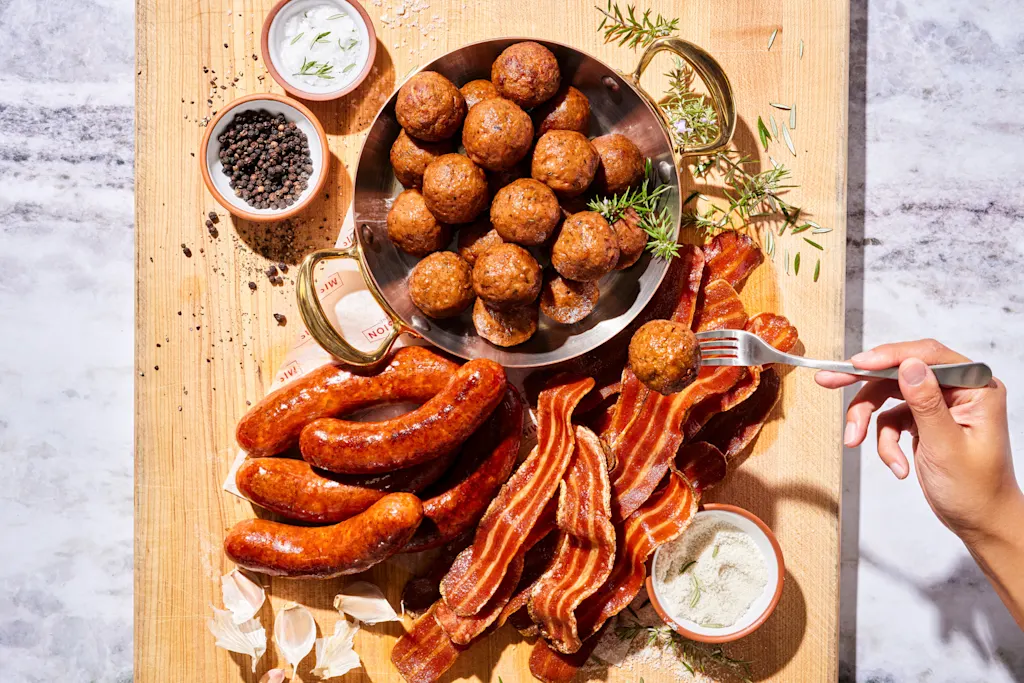
Through the cell cultured process, the company can also “tune” its process to tweak nutrition details, like lowering the saturated fat and cholesterol or adding in more omega 3s.
That includes plant-based meats like Mission Barns’s meatballs and bacon, or possibly soups, sauces, and so on. The products that will be on offer at Berkeley Bowl are like a proof of concept for cultivated fat as an ingredient, and a way to show other CPG companies what Mission Barns can offer.
Working with established food brands also means Mission Barns won’t have to focus on building up its own brand, retail partners, and so on.
“From our perspective, B2B is a much faster way to scale and grow,” Chang says.
The startup already has partnerships in the works, though couldn’t name specific companies.
For those who taste its offerings at Berkeley Bowl and want to know how to be customers in the future, “We’ll be telling them to watch the space,” Chang says. “We’ll hopefully be launching something in retail with a partner sometime next year.”