Close Menu
    Facebook X (Twitter) Instagram
    TRENDING :
    • Google Glass, Amazon Fire, Friendster: Why great ideas from successful companies fail
    • Three habits undermining your executive presence
    • Domestic Demand Wanes In China
    • Solopreneurship can be dream come true for many. But there’s a hidden cost
    • Germany’s Merz Admits To “Serious Strategic Mistake”
    • Employees in Minnesota are afraid to show up to work
    • Danish Pension Fund Divests $100 M In US Treasuries
    • Claude Cowork is here. And so are the memes
    Compatriot Chronicle
    • Home
    • US Politics
    • World Politics
    • Economy
    • Business
    • Headline News
    Compatriot Chronicle
    Home»Economy»Deflation V Inflation V Stagflation – Misconceptions Clarified
    Economy

    Deflation V Inflation V Stagflation – Misconceptions Clarified

    December 30, 20254 Mins Read
    Share Facebook Twitter Pinterest LinkedIn Tumblr Telegram Email Copy Link
    Follow Us
    Google News Flipboard
    Share
    Facebook Twitter LinkedIn Pinterest Email


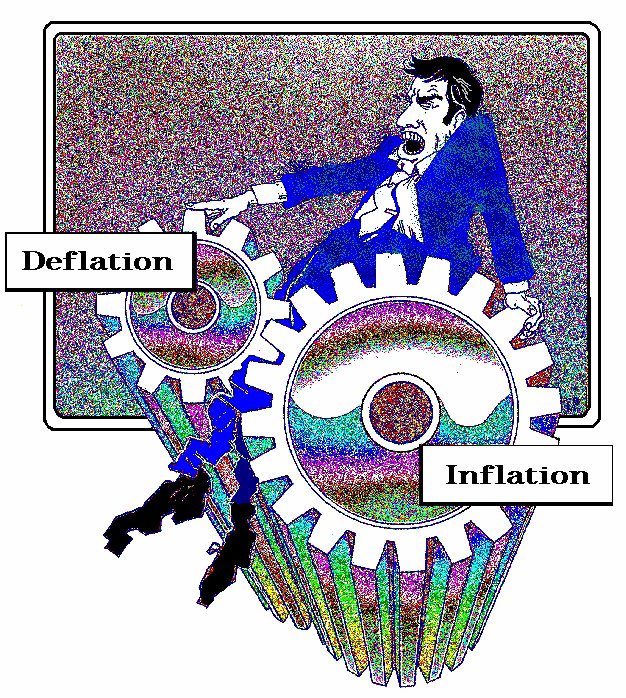
    Some people have a tough time understanding that we are in a massive deflationary spiral; they think that rising prices mean it is inflation and not deflation. Then they mistake stagflation for deflation and wonder why people are spending more on less. They only see prices, not disposable income, and, indeed, not economic growth or unemployment.

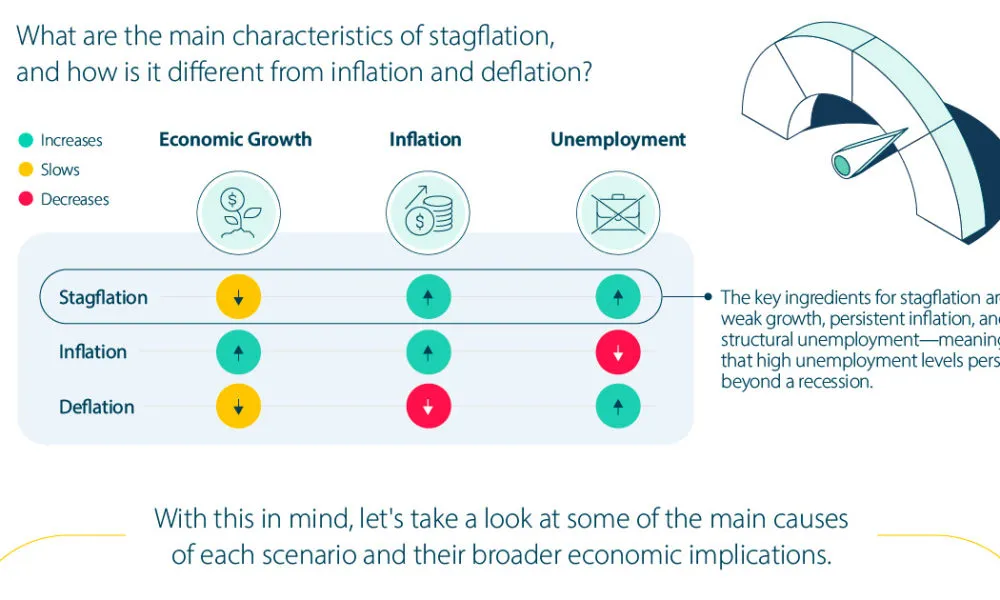
    Prices rose sharply following the OPEC oil price hikes of the 1970s. Still, the sharp rise in energy prices crowded out other forms of spending, resulting in rising prices that had nothing to do with a speculative economic expansion, and a deflationary contraction they called STAGFLATION occurred, with rising prices and declining economic growth.

    If you want to raise NET DISPOSABLE INCOME, lower taxes! Raising wages, as the Democratas believe corporations should do, will cause people to move to higher tax brackets, and soon, all benefits will come into play with these socialistic programs. As always, nobody in government talks about reducing government waste and corruption. The very people who are using these social programs are still paying taxes to the state and federal government.
    StagflationInflationUnemployment

    Household income will soon be defined as everyone living in the same house – kids and all. Perhaps you will have to pitch a tent and make the kids sleep outside with the dog to avoid “household” income tax increases. Deflation is not the lowering of prices; it is the lowering of economic activity that can also include STAGFLATION, which occurs when prices rise but there is no economic growth.

    Now, stagflation is not exactly the same as deflation, where the price of goods and services declines. For example, before World War II, the US experienced a massive deflationary environment in which GDP fell by 30% between the crash of 1929 and 1933. A quarter of Americans were unemployed. Imagine 1 in 4 eligible workers on the sidelines. Prices plummeted, and consumers were not spending because they had very little, if anything, to spend. Panics erupted, and people hoarded; the Second World War brought America out of that economic downfall. The public confidence wave began after World War II, because people believed their change in fortune was due to government policies (i.e., FDR’s New Deal) and war victory.

    During periods of stagflation, the prices of goods and services increase while buying power decreases. Consumers end up spending more on less. As we are seeing now, for example, retail sales of items such as clothing have declined, but people are spending more on gas, shelter, and groceries. People feel as if they are earning less despite wage increases because their buying power has been drastically reduced. Companies will suffer as consumers spend less, and this has led to workforce reductions. Unemployment during the OPEC crisis of the 1970s was not nearly as severe, but it rose to 7.2% by 1980. Inflation went from around 1% in 1964 to 14% in 1980, and GDP growth went from 5.8% to -0.3% during that same period.

    So be very careful. If you only look at prices rising and ignore the fact that your disposable income is declining, you will be in for a very rude awakening. Unemployment will continue to rise in 2026, with the computer anticipating figures surpassing 6%. The trend was set in motion long before automation and AI. Companies simply will not hire when they expect a continued contraction. The ability to borrow at a lower rate is not enticing because those same companies do not want to take on more debt than they already owe. We will not see another Great Depression by any means, but the “soft landing” is merely rhetoric intended to lift confidence.


    Source link

    Share. Facebook Twitter Pinterest LinkedIn Tumblr Email

    Related Posts

    Domestic Demand Wanes In China

    January 21, 2026

    Germany’s Merz Admits To “Serious Strategic Mistake”

    January 21, 2026

    Danish Pension Fund Divests $100 M In US Treasuries

    January 21, 2026
    Top News

    What to Know About the Next Phase of Subscription Services

    By Staff WriterSeptember 18, 2025

    Opinions expressed by Entrepreneur contributors are their own. Do you remember the time when Netflix…

    Trump Demonstrates International Strength in Alaska: Bessent Highlights Leadership

    August 25, 2025

    Chris Pratt Defends His Relative RFK Jr.: ‘For the Most Part, I Wish Him Well’

    August 20, 2025

    Charlie Kirk, CEO of Turning Point USA, Has Died in Utah

    September 10, 2025
    Top Trending

    Google Glass, Amazon Fire, Friendster: Why great ideas from successful companies fail

    By Staff WriterJanuary 21, 2026

    In the world of business, we tend to believe that success is…

    Three habits undermining your executive presence

    By Staff WriterJanuary 21, 2026

    As we move into 2026, it’s time to examine the subtle behaviors…

    Domestic Demand Wanes In China

    By Staff WriterJanuary 21, 2026

    China’s GDP advanced by 4.5% in Q4 2025, slightly down from the…

    Categories
    • Business
    • Economy
    • Headline News
    • Top News
    • US Politics
    • World Politics
    About us

    The Populist Bulletin serves as a beacon for the populist movement, which champions the interests of ordinary citizens over the agendas of the powerful and entrenched elitists. Rooted in the belief that the voices of everyday workers, families, and communities are often drowned out by powerful people and institutions, it delivers straightforward, unfiltered, compelling, relatable stories that resonate with the values of the American public.

    The Populist Bulletin was founded with a fervent commitment to inform, inspire, empower and spark meaningful conversations about the economy, business, politics, inequality, government accountability and overreach, globalization, and the preservation of American cultural heritage.

    The site offers a dynamic mix of investigative journalism, opinion editorials, and viral content that amplify populist sentiments and deliver stories that echo the concerns of everyday Americans while boldly challenging mainstream narratives that serve the privileged few.

    Top Picks

    Google Glass, Amazon Fire, Friendster: Why great ideas from successful companies fail

    January 21, 2026

    Three habits undermining your executive presence

    January 21, 2026

    Domestic Demand Wanes In China

    January 21, 2026
    Categories
    • Business
    • Economy
    • Headline News
    • Top News
    • US Politics
    • World Politics
    Copyright © 2025 Populist Bulletin. All Rights Reserved.

    Type above and press Enter to search. Press Esc to cancel.