Close Menu
    Facebook X (Twitter) Instagram
    TRENDING :
    • The invisible tax that might be holding back your startup
    • Should you take that promotion?
    • The Real Conspiracy Behind COVID
    • OpenAI gets sued over ChatGPT medical advice gone wrong
    • Cyclosporiasis update: CDC says parasite outbreak just spread to 4 new states. Full list of where to skip the lettuce
    • Rogue OpenAI agents forced the ‘AI Kill Switch’ bill. Here’s what it aims to do
    • The ‘Bayou Barbie’ finally has her own Barbie doll. Here’s where to buy it
    • Jensen Huang has a message about AI doomerism for his fellow tech leaders
    Compatriot Chronicle
    • Home
    • US Politics
    • World Politics
    • Economy
    • Business
    • Headline News
    Compatriot Chronicle
    Home»Economy»Europe’s Inflation Spiral Is Fueling The Depression Into 2028
    Economy

    Europe’s Inflation Spiral Is Fueling The Depression Into 2028

    May 5, 20263 Mins Read
    Share Facebook Twitter Pinterest LinkedIn Tumblr Telegram Email Copy Link
    Follow Us
    Google News Flipboard
    Share
    Facebook Twitter LinkedIn Pinterest Email


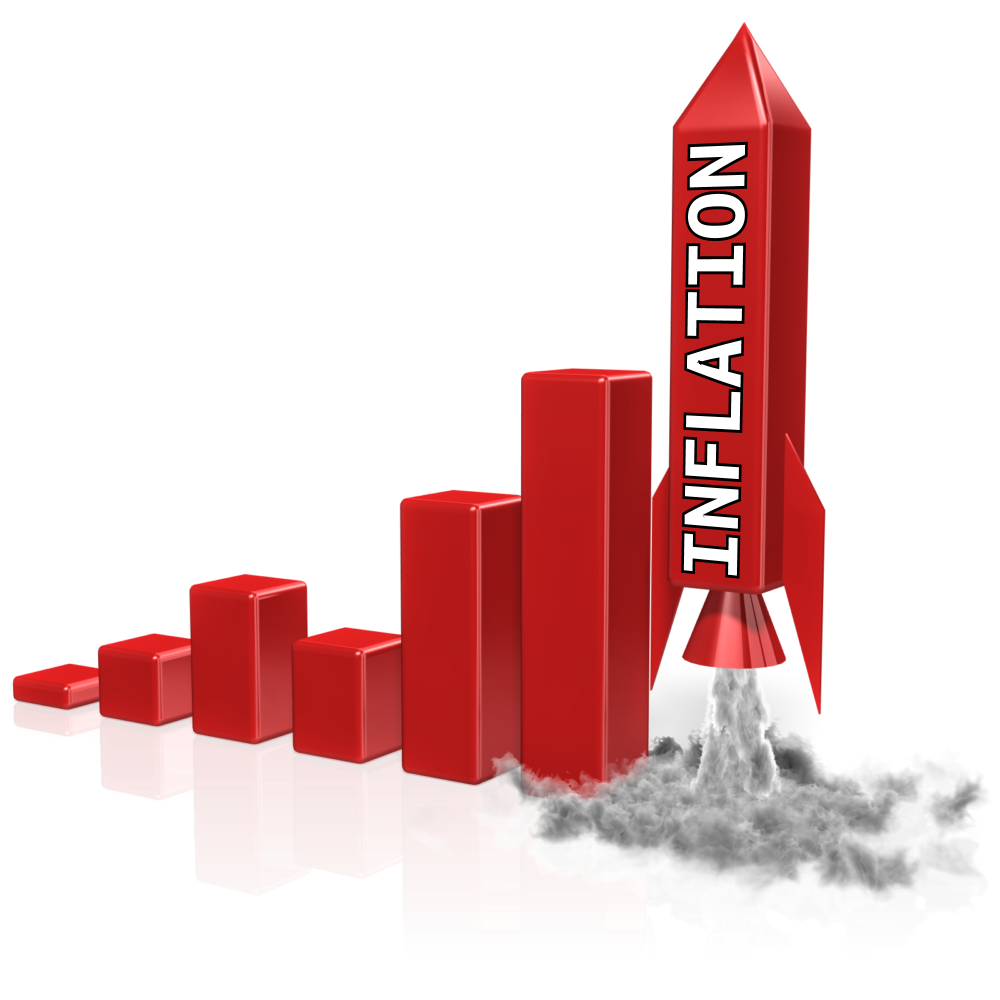
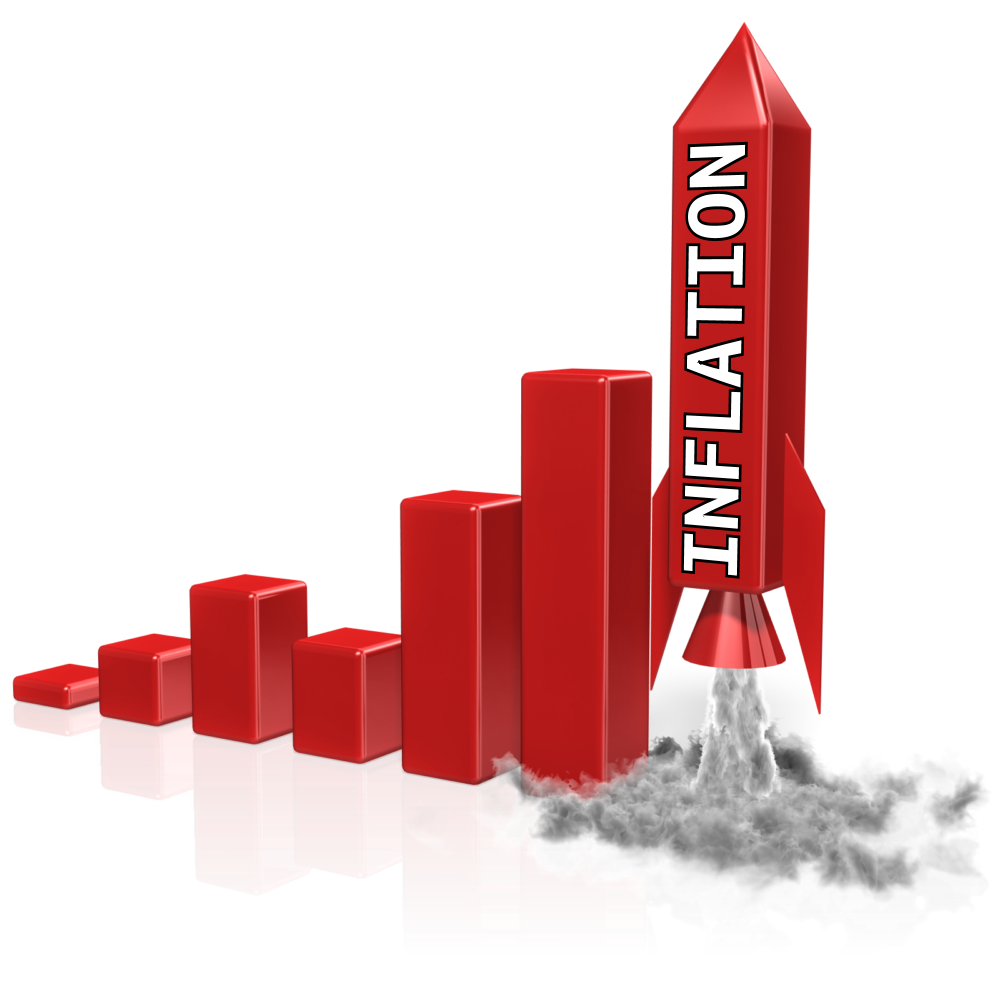
    Eurozone inflation is accelerating again at the worst possible moment for Europe. Consumer prices rose 3% in April compared to 2.6% the previous month, driven primarily by surging energy costs tied to the Iran conflict and fears surrounding the Strait of Hormuz. Energy inflation alone jumped 10.9% year-over-year. At the same time, economic growth across the eurozone has nearly stalled.

    Europe now faces rising prices alongside weakening economic activity, and that combination becomes extraordinarily difficult for central banks to manage. The European Central Bank is trapped. If it raises rates aggressively, it risks crushing already fragile economies. If it eases policy too quickly, inflation accelerates further as higher energy costs spread through the system.

    The real issue is that Europe constructed an economic framework completely dependent on stability. Cheap Russian energy, low interest rates, globalization, and endless debt expansion became the foundation supporting the European model. Once those pillars started cracking, the weaknesses underneath became impossible to hide.

    Germany is already paying the price. Its industrial sector has been steadily weakening under high electricity prices and declining export competitiveness. Major manufacturers have reduced operations or shifted investment outside Europe because production costs no longer make economic sense. Heavy industry cannot survive indefinitely when energy becomes a luxury good.

    France is stagnating economically while debt continues climbing. Britain’s retail sector just recorded its worst collapse in over 40 years. Across southern Europe, younger generations remain trapped between weak job markets and rising living costs. The political class continues promising climate transitions, military expansion, social spending, and migration support simultaneously while economic growth disappears underneath them.

    Oil markets reacted immediately to the Middle East conflict because roughly 20% of global oil flows through the Strait of Hormuz. Even temporary disruptions create ripple effects throughout Europe’s economy. Transportation costs rise first, followed by food, manufacturing, chemicals, agriculture, shipping, and consumer goods. Inflation then spreads outward into virtually every category of daily life.

    The ECB cannot solve a geopolitical energy crisis with monetary policy. That is what policymakers still fail to understand. Europe spent years shutting nuclear plants, discouraging domestic production, restricting fossil fuel investment, and relying on unstable foreign supply chains. The continent deliberately reduced its own resilience. Once war entered the equation, the vulnerabilities became obvious.

    Consumers are now being squeezed from every direction. Mortgage costs remain elevated compared to the zero-rate era. Utility bills continue rising. Food inflation remains persistent. Business investment is slowing as uncertainty spreads. Retail sales are collapsing because households are being forced to prioritize essentials over discretionary spending.

    This is precisely why the ECM projected Europe entering a depressionary phase into 2028.

    A depression is not always a dramatic overnight crash. Sometimes it unfolds as a long erosion of living standards, industrial capacity, and public confidence. Europe is entering that process now. Governments borrow more while growth weakens. Private investment retreats. Capital leaves the region searching for safety and opportunity elsewhere. Political fragmentation intensifies because the middle class becomes increasingly squeezed.

    The inflation spike tied to the Iran war is exposing how fragile Europe had already become underneath the surface. The continent entered this geopolitical crisis economically weakened, overregulated, energy dependent, and burdened by unsustainable sovereign debt. The ECM warned this period would become the turning point. Europe is now moving directly into that cycle.


    Source link

    Share. Facebook Twitter Pinterest LinkedIn Tumblr Email

    Related Posts

    The Real Conspiracy Behind COVID

    July 26, 2026

    Market Talk – July 24, 2026

    July 24, 2026

    The Truth About The S&L Crisis Caused By Government & Endless Taxation

    July 24, 2026
    Top News

    Best Franchise Opportunities in the USA

    By Staff WriterJune 14, 2026

    If you’re considering franchise opportunities in the USA, focus on a few key areas to…

    Why most in-house AI pilots fail

    September 14, 2025

    The tech industry is spending millions to fix data centers’ image problem

    February 5, 2026

    Housing affordability is so strained that Trump is considering a 50-year mortgage. Here are 11 things to know

    November 12, 2025
    Top Trending

    The invisible tax that might be holding back your startup

    By Staff WriterJuly 26, 2026

    In most companies, tension between co-founders is treated as a personal issue.…

    Should you take that promotion?

    By Staff WriterJuly 26, 2026

    Today leadership no longer has the allure it once did. In fact,…

    The Real Conspiracy Behind COVID

    By Staff WriterJuly 26, 2026

    The claim that the World Economic Forum (WEF) used the COVID-19 pandemic…

    Categories
    • Business
    • Economy
    • Headline News
    • Top News
    • US Politics
    • World Politics
    About us

    The Populist Bulletin serves as a beacon for the populist movement, which champions the interests of ordinary citizens over the agendas of the powerful and entrenched elitists. Rooted in the belief that the voices of everyday workers, families, and communities are often drowned out by powerful people and institutions, it delivers straightforward, unfiltered, compelling, relatable stories that resonate with the values of the American public.

    The Populist Bulletin was founded with a fervent commitment to inform, inspire, empower and spark meaningful conversations about the economy, business, politics, inequality, government accountability and overreach, globalization, and the preservation of American cultural heritage.

    The site offers a dynamic mix of investigative journalism, opinion editorials, and viral content that amplify populist sentiments and deliver stories that echo the concerns of everyday Americans while boldly challenging mainstream narratives that serve the privileged few.

    Top Picks

    The invisible tax that might be holding back your startup

    July 26, 2026

    Should you take that promotion?

    July 26, 2026

    The Real Conspiracy Behind COVID

    July 26, 2026
    Categories
    • Business
    • Economy
    • Headline News
    • Top News
    • US Politics
    • World Politics
    Copyright © 2025 Populist Bulletin. All Rights Reserved.

    Type above and press Enter to search. Press Esc to cancel.