
QUESTION: Mr. Armstrong, you have publicly warned the EU about this looming debt crisis. You have explained it as a trader on numerous podcasts. I find it incredible that the WSJ, Reuters, and Bloomberg do not interview you, which only confirms they have become fake news. Reuters quotes people who were not there from the beginning or even in 2010. They claim banks have diversified, suggesting the risk of a banking crisis today is minimal compared to 2010. They even concluded:
“Proposals to strip government bonds of risk-free status or impose concentration limits have so far failed. But the EU Commission has included a further diversification of sovereign bond portfolios among steps needed to strengthen the banking sector, and will present its proposals in early 2027.”
Because you were an analyst and a trader and were called in at the formation of the euro, you are the only one truly qualified on this subject. Am I correct that you frame what is happening as a threat to the Eurozone’s survival rather than a mere banking crisis?
Hal
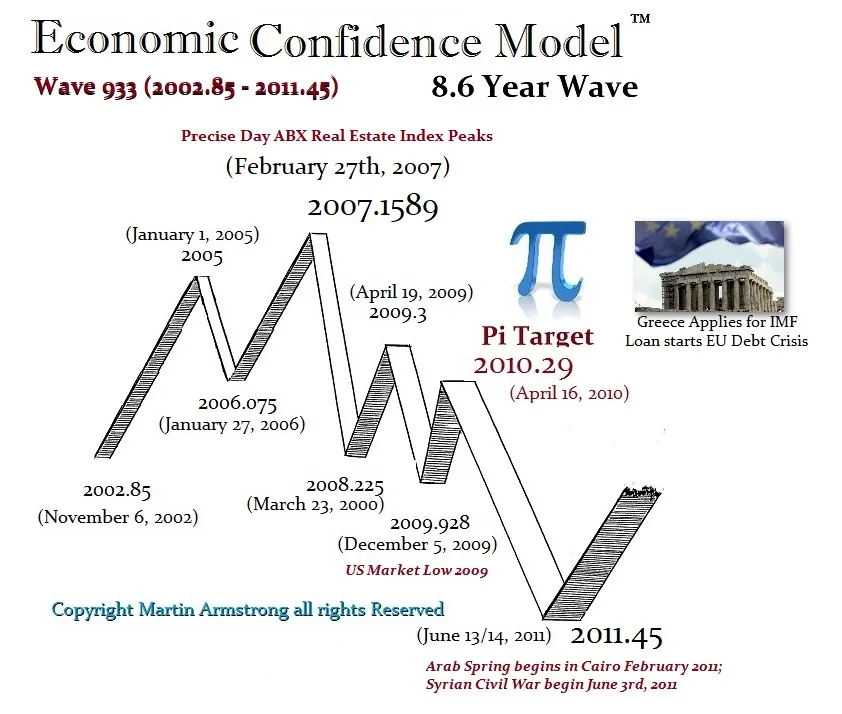
ANSWER: Thank you for that question. I will be glad to do a video call with the board. Yes, you are correct. This is like the mouse trying to get the cheese oblivious to the fact that the house is burning down. The 2010 European Debt Crisis took place precisely to the day of the Pi Target. It was kicked off by Greece applying for an IMF bailout. That was the CONTAGION risk, NOT a Eurozone crumbling because of the politics, but the question of insolvency of the banking system. This was before the Sovereign Debt Crisis itself, and first focused on the sovereign debt held as reserves. What I warned that the failure to CONSOLIDATE the debt meant that this was the vulnerability that one could take take the rest of the Eurozone.
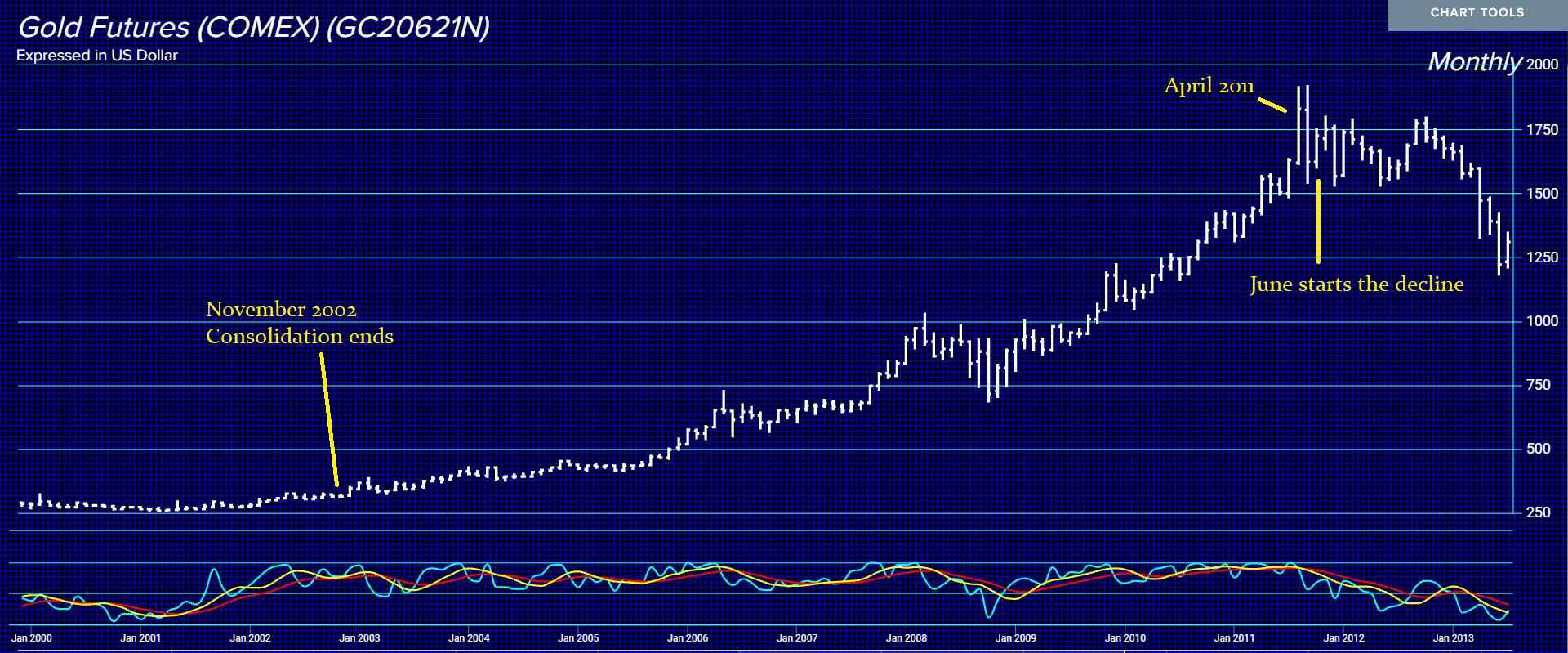
The GoldBugs were NOT happy with me when I forecast that gold would peak in 2011 and would decline into the next major target on the ECM of 2015.75. Gold then bottomed in December 2015. They would constantly call for the demise of the dollar as they too were oblivious to any fact outside of the USA. It always had to be the demise of the dollar. Gold rallied from the European Debt Crisis of 2010 and peaked in 2011 and the CONFIDENCE began to return.
That aligned with the cycles calling for a low in gold in 2015.75, which I called BIG BANG – the start of the Sovereign Debt Crisis. That was the turning point on CONFIDENCE in government worldwide that has steadily eroded and is on track for the 17 year decline into 2032. That target was correct – the beginning of the Sovereign Debt Crisis. They thought I was nuts for the long-term forecast that Gold would hit $5,000. That was explicitly stated for the first time publicly predicting gold would reach $5,000 per ounce on November 7, 2009. It is always easier to forecast long-term with Socrates than the closing price tomorrow because the near-term tend to be just noise. The long-term is the trend.
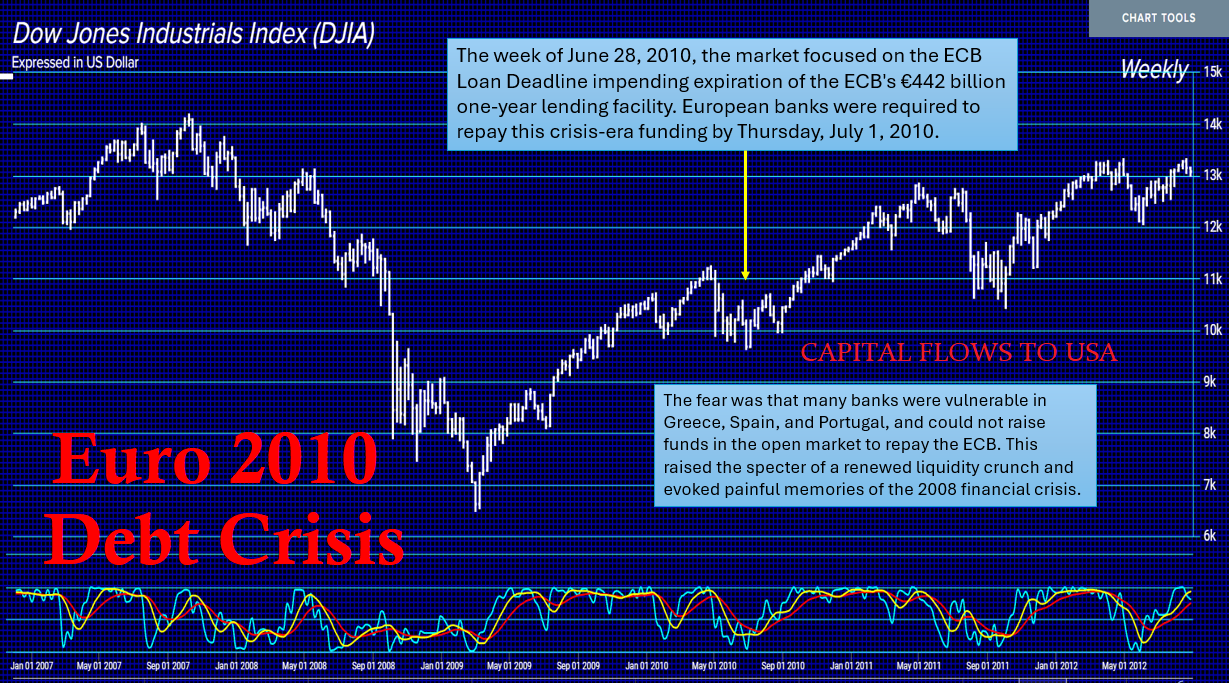
The official timeline shows that Greece requested financial assistance from the IMF in April 2010, The week of June 28, 2010, was a period of acute market stress focused squarely on the health of European banks, driven by a looming European Central Bank (ECB) funding deadline. The ECB Loan Deadline was the impending expiration of the ECB’s €442 billion one-year lending facility. European banks were required to repay this crisis-era funding by Thursday, July 1, 2010.
The fear was that many banks, particularly in fiscally vulnerable countries like Greece, Spain, and Portugal, would struggle to raise funds in the open market to repay the ECB. This raised the specter of a renewed liquidity crunch and evoked painful memories of the 2008 financial crisis.
August 2010 was a Period of Contagion and escalation. In August 2010, the crisis spread significantly to Italy and Spain and we see the Crash Here is Paribas. At that time, the yields on 10-year government bonds of Italy and Spain climbed to new highs (6.16% and 6.26%, respectively), triggering market panic and prompting the Italian finance minister to rush to Luxembourg for emergency consultations. This indicates that the crisis was deepening and spreading.
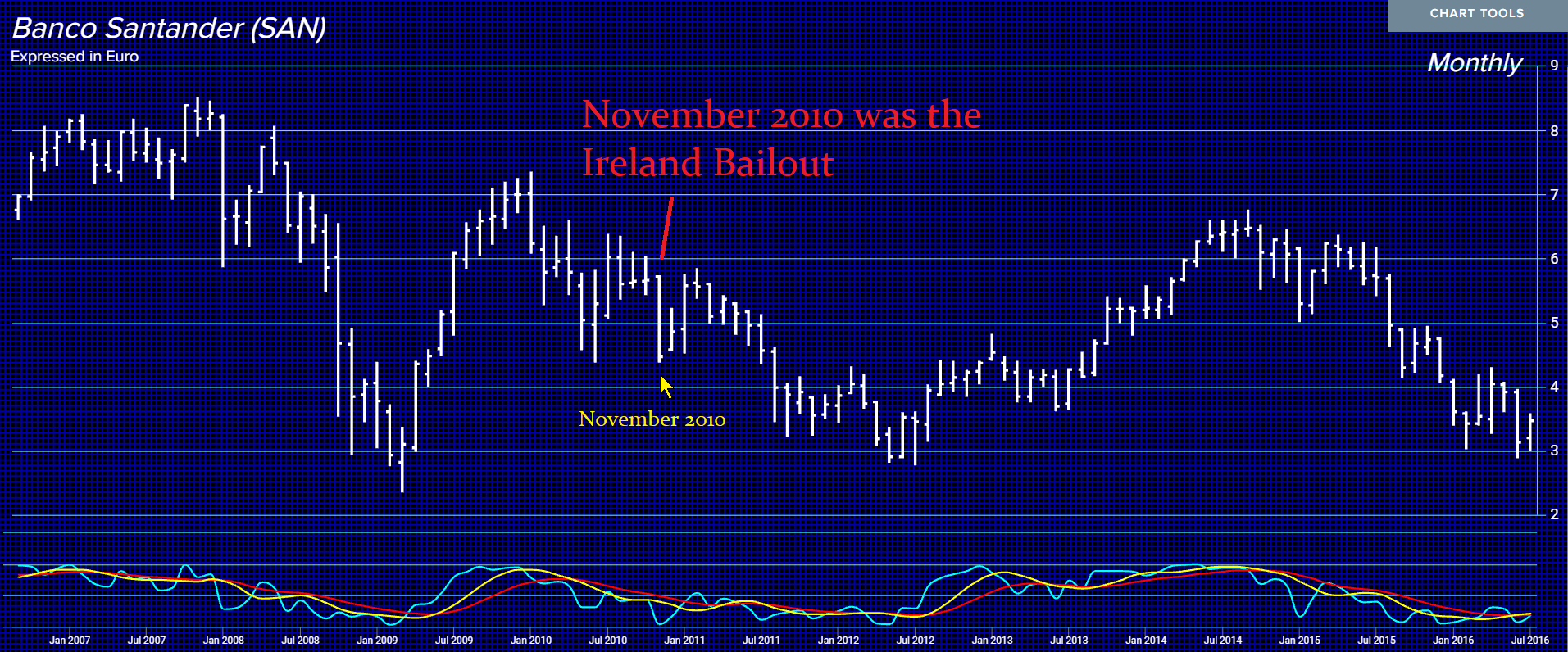
In November 2010, the crisis escalated significantly when Ireland officially requested international financial assistance. This was triggered by the massive costs of bailing out its banks, which had grown too large relative to the economy. The Irish government subsequently agreed to a bailout package, leading to political turmoil and the collapse of the government.
The events of November 2010 were widely reported at the time as fears that the “Irish debt crisis” could spread to other vulnerable economies like Portugal and Spain, rather than being the start of the crisis itself. We can see here in the Spanish Bank Santander that November was the retest of the low and there was no recovery to speak of as this bank share decline into July 2012 before CONFIDENCE began to return.
What we face THIS TIME is the flip-side. Now there a proposals to strip government bonds of risk-free status insofar as holding them for reserve status or impose concentration limits which have failed. But the EU Commission has included a further diversification of sovereign bond portfolios among steps needed to strengthen the banking sector, and will present its proposals in early 2027. What this means by stripping the European Sovereign Debt itself of risk-free status, is an acknowledgement that this nonsense that government debt is risk free because they cannot default will mean the market has won. Government debt is the riskiest of all because they always default and NEVER pay their debts.
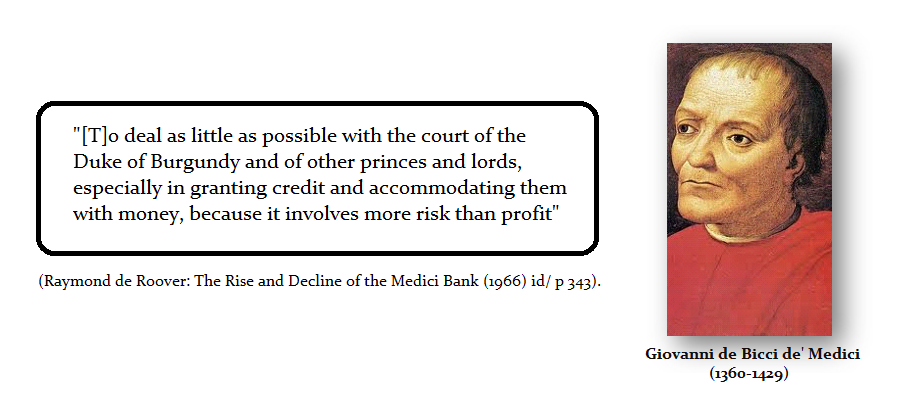
Here is the rule of the Medici. There is more risk in lending to the state than there is potential profit. Nothing has ever changed. The first sovereign debt was 400BC on the ancient quasi-central bank, the Temple of Apollo on the Island of Delos. Governments are ALWAYS the greatest risk because they are fiscally irresponsible historically – that is just a fact that has NOTHING to do with partisan politics.
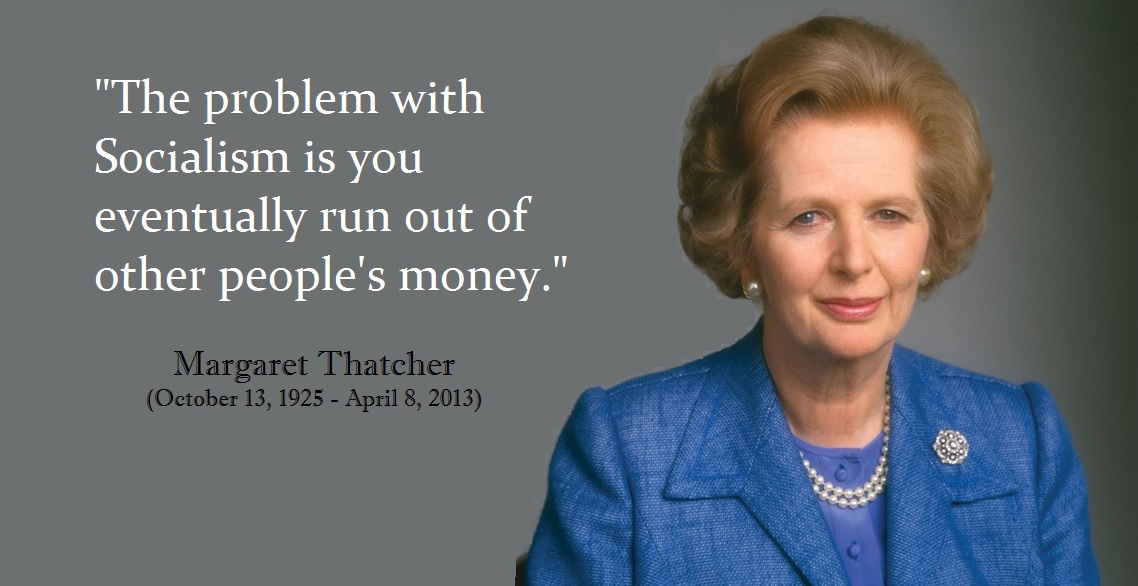
Margaret Thatcher was, in my opinion, the smartest head of state I ever met. She understood economics and the socialists refused to ever surrender their ideas of robbing the rich to pay for their lifestyle. It has never worked even once
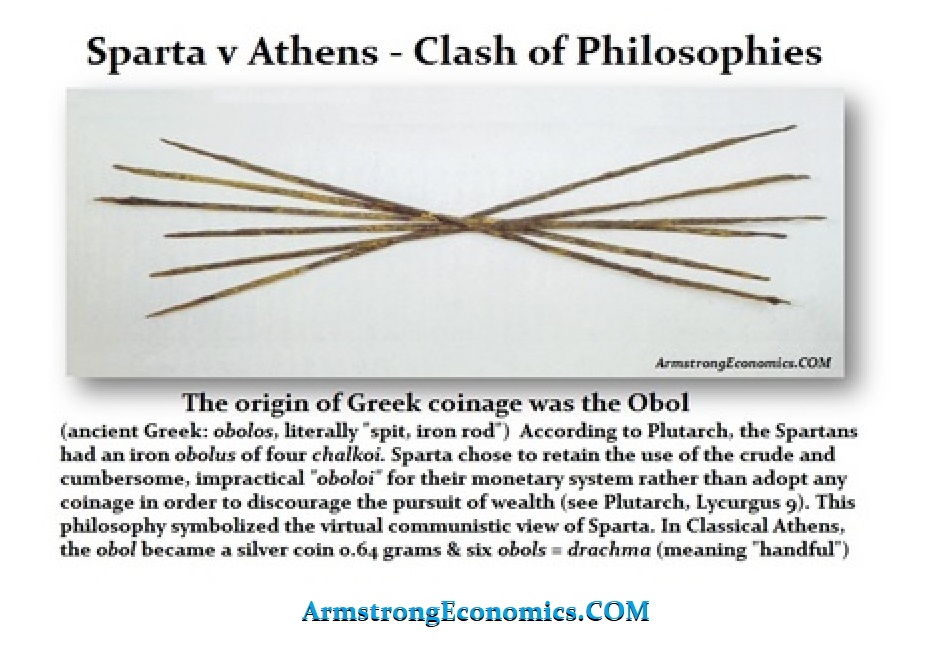
In the late 3rd century BC, kings Agis IV and Cleomenes III attempted radical reforms ibn ancient Sparta that resembled socialism, canceling debts and redistributing land to create a larger citizen body. However, these were emergency rescue attempts to reverse the damage already done by DEBT CRISIS as always. Agis was killed by the civil unrest, and Cleomenes was ultimately defeated in war. To PREVENT capitalism insofar as a true market economy, Sparta NEVER issued coinage. The “inequality” had to do with land ownership for the economy was effectively close to 95% agrarian.
The European Union has refused to look at reality. They have dictated their stupid policies of allowing the migrants and even subsidizing them to come to Europe all to ensure that they would secure their power with new voters who would support them for a free lunch. They have sacrificed their indigenes population for their personal power and that is the difference this time – it is crack in the CONFIDENCE of government rather than the banking system which has taken a more practical view to holding sovereign debt.

It’s a crisis in the European Union that is causing the stress. The migrat crisis has the potential to creat a civil war. This was all orchestrated by the LEFT to sure up their crumbling economic policies.
