QUESTION: Marty, I want to thank you for the WEC. It was the best one I have ever attended. I loved your comment on the perpetual dollar bears since the 1970s and how they have been consistently wrong. I find it curious when someone like __ ___ knows you are, then talks about the fourth turning, which is just an opinion compared to your unprecedented track record over decades. It makes me wonder if they are not secretly working for the very people they pretend to be against. Nobody else has offices around the world. Nobody else ever talked about a two-tier monetary system. I think some are so intimidated by you because you do not support the stupid theories they constantly repeat, like the petrodollar.
My question is the two-tier dollar conspiracy of the 1980s. Why has Europe been so anti-dollar for decades? Do you have a chart on the eurodollar liquidation?
OE
PS: The rumor was that that may have been your last WEC. You filled the hotel. There wasn’t even one empty seat. I heard your virtual tickets far exceeded 500k so much so that the portal to download the reports went down for you never counted on traffic approaching one million viewers. We need you. Tell Scotty to hold off until 2040 please.
ANSWER: They do not even teach a floating exchange rate system in school no less a two-tier monetary system. The US national debt hit $1 trillion dollars in 1981 and the conspiracy theory then was that the the US would move to a two-tier monetary system devauling the Eurodollar, which was all the external dollars and thus the dollars domestically would be would more than a Eurodollar.

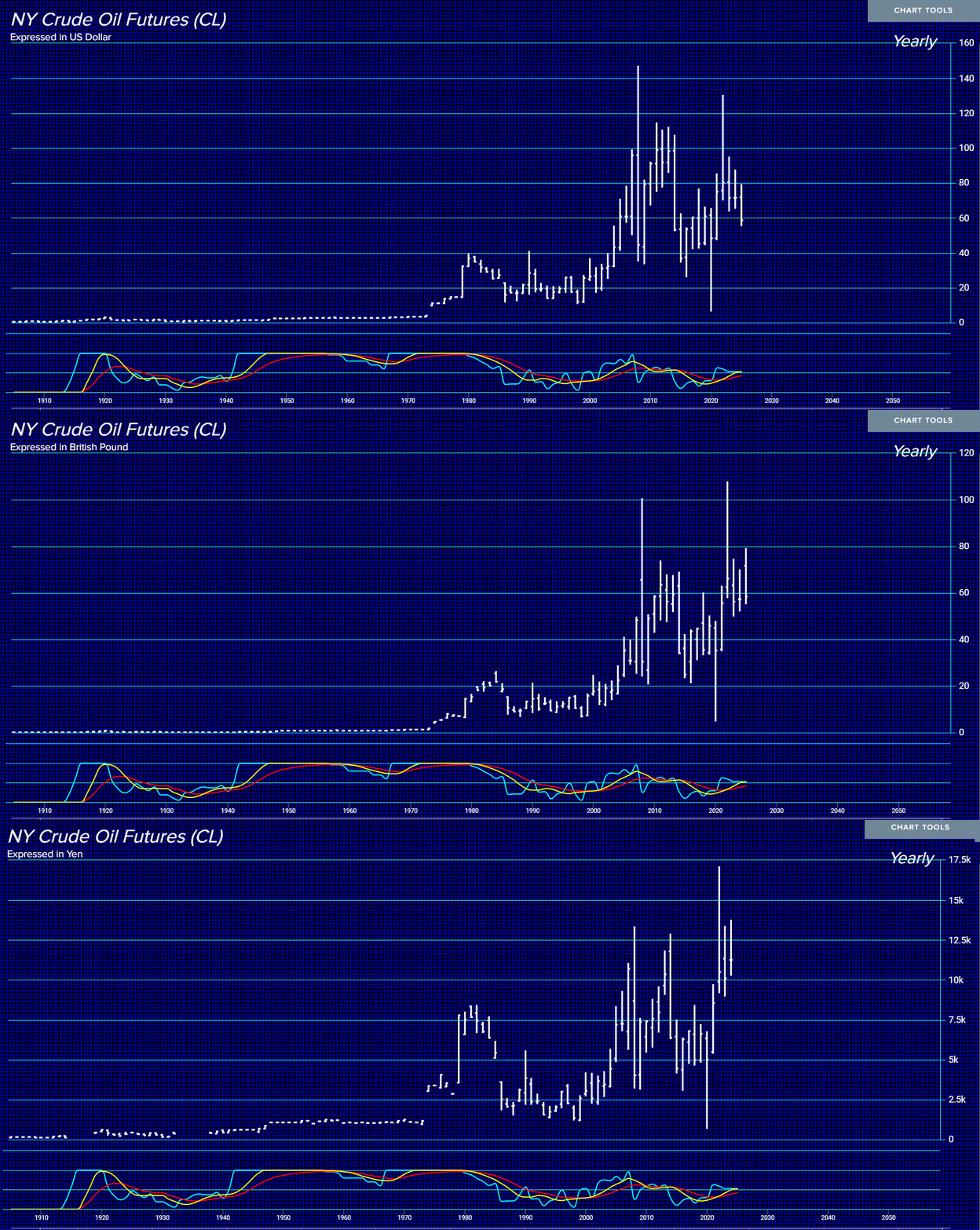
Here is the chart showing the massive liquidation of the eurodollar market all on this conspiracy theory. Look, all of these people claiming to be analysts that just put out their opinion lacking any international experience is a serious detriment to trying to ascertain how we move into the years ahead.. The Fourth Turning is a nice theory that they claim in the phase of an 80-100 year cyclical pattern in history called the Saeculum. According to the theory, each Fourth Turning is an era of intense crisis, upheaval, and regeneration where the very fabric of society is torn down and rebuilt. It’s a “great unravelling” followed by a “great transformation.” The problem with this theory is that it lacks the historical depth. It discussed periods that were cherry-picked and is one-dimensional.
The Wars of the Roses (15th Century): Culminating in the rise of the Tudor Dynasty.
The Armada Crisis (late 16th Century): The threat from Spain, resolved with the defeat of the Spanish Armada (1588) and the rise of Elizabethan England.
The Glorious Revolution (late 17th Century): The overthrow of King James II and the establishment of constitutional monarchy in England.
The American Revolution (late 18th Century): The war for independence and the creation of the United States.
The American Civil War (mid-19th Century): The existential crisis over the Union and slavery.
The Great Depression and World War II (1929-1946)
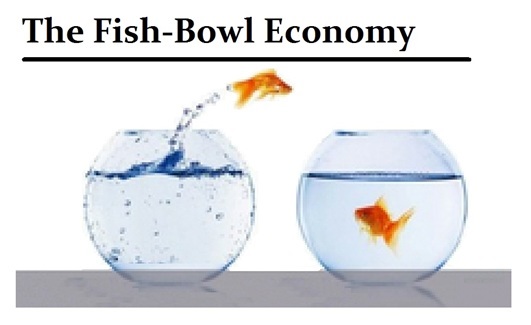
William Strauss (1947–2007) was an American author, playwright, theater director, and lecturer. He with Neil Howe (born 1951) came up with the social generations regarding a theorized generational cycle in American history. However, while there is a generational cycle, that is only a tiny fraction of what really is behind the rise and fall of empire, nations, and city states. To forecast the future with just this is really ridiculous and dangerous. This is part of the Fish Bowl Economy and all the theories from Keynesianism to Modern Monetary Theory. They are all based on a single theory and they are confined to domestic analysis which leads to more chaos and losses than anything else.
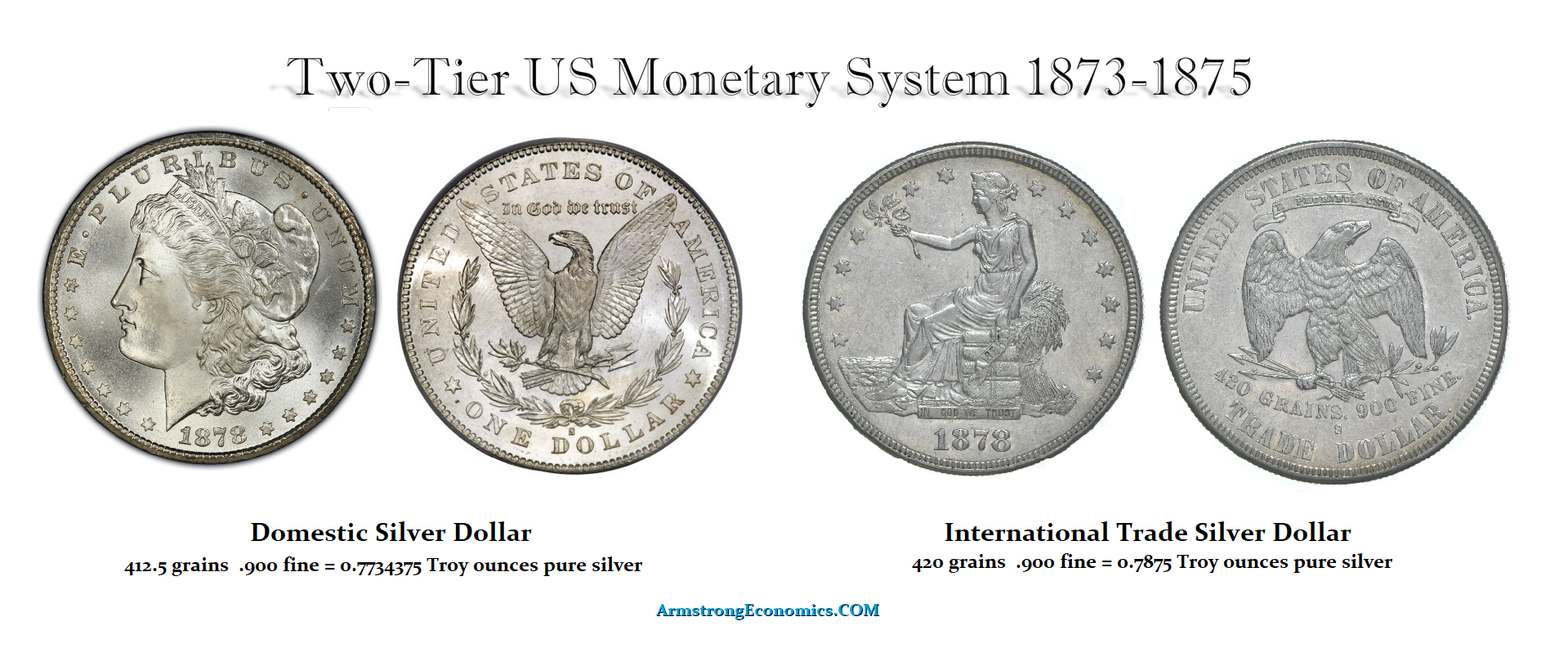
The US did have a two-tier system in the 1870s. There were actually two separate silver dollars – one for international trade and then the domestic dollar.
You are not the first to point this out. I have appeared on national TV in Russia, Europe, and Asia – not in the USA. The movie the Forecaster appears on TV even in Canada, in Europe, and it played on international flights. It was supposed to be on NETFLIX and then they got that mysterious called and backed out. We are not the land of the free and certainly freedom of speech also does not exist in the USA. I have been told that after appearing on a podcast, they got the infamous call not to have me on again. They constantly think that I have influence and it is not the model. So they think they can prevent the forecasts by preventing people from listening. It’s the same plot as what they did with COVID.
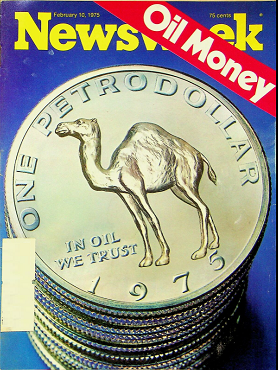
The Petrodollar was a classic example of the Fish Bowl theories. When the dollar did not collapse after the end of the gold standard, they had to cover-their-ass because they were WRONG. So, to save face, they claimed that the dollar was now backed by oil rather than gold because oil was priced in dollars. They sold that BS to the press and it was pure sophistry. The percentage of world trade attributed to oil and petroleum products is approximately 8-10% based on the 2022 data. Merchandise Trade in 2022 globally totaled around $25 trillion (WTO data). Of that, crude oil and refined petroleum product exports worldwide were estimated to be between $2.2 and 2.5 trillion (depending on price fluctuations and trade volumes). This includes contributions from OPEC, which are only 40% of crude exports, and non-OPEC exporters like the U.S., Russia, and Canada. The whole Petrodollar theory was absolute nonsense and it diverts people from understanding the importance of the financial capital of the world and thus it is the CONFIDENCE that matters.
This conspiracy theory was all based on the fact that the U.S. secured a crucial deal with Saudi Arabia in 1974, ensuring oil would continue to be priced in dollars in exchange for U.S. military and political support. This cemented the “petrodollar” conspiracy, and people claimed this reinforced the dollar’s status rather than diminishing it.

Just as even China before WWI raised money issuing bonds in British pounds, today emerging market issue bonds in dollars also to raise money. This scenario ultimately failed as an anti-dollar movement. The dollar did not collapse when the oil prices declined nor did it rise in value due to oil prices rising.
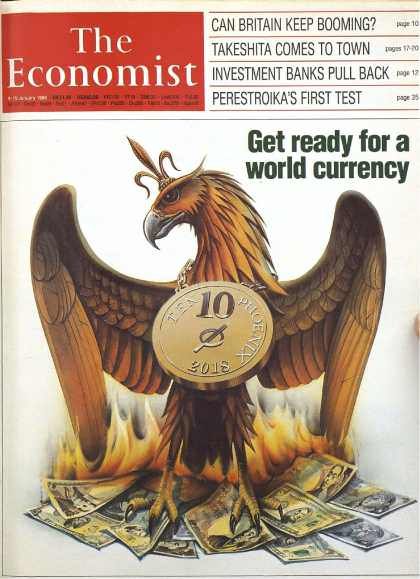
In 1988, The Economist published a speculative essay looking 30 years into the future, arguing that a new global currency should and likely would emerge due to the inherent problems with the dominant dollar system. The core of their argument can be broken down into two parts: why the dollar was vulnerable and what they proposed instead.
 As I said at the conference, the big conspiracy back they was the two-tier dollar system that resulted in moving eurodollar deposits to domestic US accounts. In the late 1980s, the global economic landscape provided the conspiracy theories with compelling reasons to question the long-term viability of the US dollar as the world’s sole reserve currency. The European Monetary System (EMS) was gaining traction, and there were serious, high-level plans for a single European currency. What they did not know was that the US argued for that at the Plaza Account in an effort to reduce the US trade deficit. The Economist foresaw that a unified currency for a large, economically powerful bloc like the European Community would naturally challenge the dollar’s supremacy.
Massive US “Twin Deficits” would Kill the Dollar
The United States was grappling with both a large budget deficit (the government spending more than it collected) and a large current account deficit (the nation importing more goods, services, and capital than it exported). This meant the US was becoming the world’s largest debtor nation. To finance these deficits, it had to attract a constant flow of foreign capital, which was seen as unsustainable and risky.
Then the 1987 Stock Market Crash (“Black Monday”) was supposed to kill the dollar
The severe crash in October 1987 was fresh in everyone’s minds. It highlighted the volatility and instability of the global financial system, for which the US dollar was the anchor. This led to soul-searching about the system’s fundamental stability. What they did not comprehend was that this was the result of the Plaza Accord and the deliberate attempt to lower the value of the dollar by 40% to reduce the trade deficit.
The Plaza Accord (1985) was another event misunderstood
Just a few years earlier, the world’s major economies had to actively intervene to devalue the US dollar, which had become dangerously overvalued thanks to the shift from the eurodollar to the domestic dollars, which again they were clueless. This, they insisted, demonstrated that the dollar’s value was not set by a perfectly stable market but required managed, political intervention to prevent disorder.
The Proposed Solution: The “Phoenix”
The Economist magazine proposed a solution being always anti-American by nature. They gave this hypothetical new currency a name: the “Phoenix.” Key features of the proposed Phoenix was to be a truly international currency, managed by a global central bank or a similar multinational institution, free from the domestic political interests of any one nation (like the US). They proposed that its value would be based on a basket of goods and currencies, making it more stable and less susceptible to the economic policies of a single country. The name “Phoenix” symbolized its emergence from the ashes of the old, unstable system of national currencies.

Why It Didn’t Happen (The Short-Term Prognosis Was Wrong):
The Economist was wrong about the timeline and the specific vehicle and they failed to comprehend what made the dollar the reserve currency. The “Phoenix” never got off the ground because you cannot have socialist with a gold standard or fixed exchange rate system. The US dollar had (and still has) immense “network effects.” It is the currency of international trade, finance, and central bank reserves. This creates a powerful lock-in effect that is incredibly difficult to dislodge.
Instead of collapsing, the US economy demonstrated remarkable resilience. It embraced technological innovation in the 1990s, and the dollar remained the world’s safest haven during crises (a role it still holds today).

The Euro Became the Challenger, Not the Phoenix:
The Euro, launched in 1999, did indeed become a reserve currency, but it never reached the idea put forth by the Economist because they never consolidated the debt. Thus, central banks had previously held other currencies like pounds and DMarks, no the Euro never could compete with the dollar. The Euro has not replaced the dollar, and it has faced its own significant crises (e.g., the European debt crisis of the 2010s), proving it is not immune to regional political and economic problems that the Economist always pointed out about the dollar while looking the other way to home-spun crises.
No Political Will for a Global Currency:
The world’s major powers, especially the US, have no incentive to cede monetary sovereignty to a global central bank. The political hurdles for creating a true “Phoenix” are monumental. It will require the surrender of individual sovereignty.
The Economist claimed a new world currency was likely because they have always been anti-American and remain blind to the serious flaws in the European system of the late 1980s. Their essay with a specific vision of a “Phoenix” by 2018 did not materialize, the underlying issues they highlighted—the instability of a system reliant on a single national currency and the rise of rival currency blocs—remain central to debates about the future of global finance today.
Then the Phenomenal Economic Growth of West Germany and Japan would created two credible, stable alternative currencies was the next conspiracy theory.