
Hello and welcome to Modern CEO! I’m Stephanie Mehta, CEO and chief content officer of Mansueto Ventures. Each week this newsletter explores inclusive approaches to leadership drawn from conversations with executives and entrepreneurs, and from the pages of Inc. and Fast Company. If you received this newsletter from a friend, you can sign up to get it yourself every Monday morning.
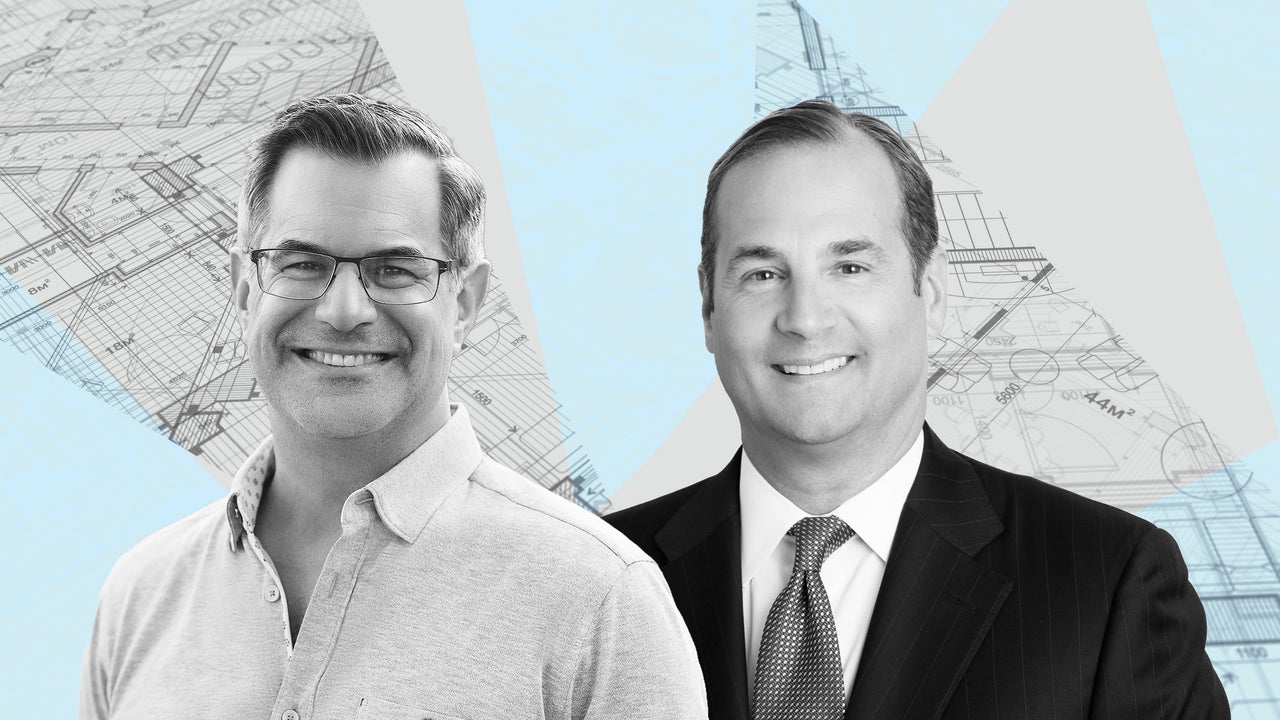
Jordan Goldstein and Anthony Capuano began working together 10 years ago on a pilot project and started collaborating in earnest about eight years ago when Marriott International selected Gensler to design its global headquarters building in Bethesda, Maryland. At the time, Goldstein led global design and was a co-regional managing principal for the architecture firm. Capuano was executive vice president and global chief development officer for the hotel giant.
Today they are both CEOs of their respective companies (Goldstein is Gensler’s co-CEO with Elizabeth Brink), and they share a deep appreciation for the importance of creativity in business. At a time when “design thinking” seems to be on the wane, Goldstein and Capuano sat down with Modern CEO to talk about why CEOs should care about architecture. Edited excerpts follow.
MODERN CEO: Jordan, what changes have you seen in the way that business thinks about architecture and design, and specifically, how do CEOs think about the role of architecture and design?
JORDAN GOLDSTEIN: Fifteen or 20 years ago, when we would have these conversations with CEOs, it would really be about the cost of the building. Now it’s about the talent. It’s about how we draw people in, how we help people create platforms for innovation, collaboration, and learning. Case in point is [Marriott headquarters], where we’re sitting right now. During the eight years that we worked together on this project, Tony was engaged from the very beginning through the entire journey, and especially at the end, when we’re starting to think about a post-COVID return [to office] and how this building [can] become a magnet for people to be here.
ANTHONY CAPUANO: It’s terrific that CEOs get involved in architecture. The downside for Jordan is we don’t know anything about it. He is masterful at letting us pretend to be architects and designers, sifting through all the silliness, and really getting to the core of what it is we want to accomplish.
MC: Tony, you also have to think about customer experience at Marriott properties. Could you elaborate on the impact of architecture?
AC: The words we hear from our guests most frequently, in terms of what they want, is local and authentic. And architecture and design is one of the easiest, most impactful ways—from the minute they arrive in the porte cochere—for guests to have a sense of place. Often, when our guests show up at a hotel, it’s 11 o’clock at night. There might be one agent behind the front desk juggling multiple responsibilities. In that circumstance, it’s the architecture and design that have to do the storytelling, because we’re not fortunate enough to have a human being to tell that story.
Getting smart on design
JG: For CEOs wanting to understand design, a master class is a great hotel, because every detail is doing its job.
AC: Our previous headquarters was a million square feet on six floors. It had almost a government feel to it. We kind of took that building and turned it vertical. We’d all spent decades in the old building, and it was a little uncomfortable. Jordan and his team kept saying, “But you’re missing the advantage, the ability to create these unintended collisions.” In the old building, I could sit on the sixth floor and never see anybody on two-thirds of that floor because it was such an expansive square footage. Here, given the way Gensler designed, anytime I go to the elevator, anytime I try to go to the cafeteria, I’m running into people from all different disciplines and all different parts of the company. Great innovation and creativity and idea generation comes out of those unexpected collisions.
MC: Tony, for the CEO or business leader who is trying to get up to speed on architecture or design thinking, what’s your advice?
AC: My job obviously affords me the great privilege of traveling all over the world. I go out of my way either on a self-guided basis or, when it’s available, on a guided basis to do architectural tours of these amazing cities. You can do it by boat in Chicago; you can do it by foot in Vietnam. Occasionally, I’ll go with my wife, and then we’ll compare notes. I’ll say, “My favorite building I saw was this.” And she says, “That’s the ugliest building I’ve ever seen.” And we go back and forth. It reminds you how personal design and architecture are. You’ve just got to be insatiably curious, and you’ve got to have a friend like Jordan because he will help you interpret your novice perspective on architecture.
MC: Short of Jordan taking every CEO on an architectural tour, what things can business leaders do if they’re trying to become more fluent in the language of architecture and design?
JG: I love what Tony said about just experiencing the cities that you’re in, figuring out how to build in time to be able to just walk around. And as you do that, visit places that have to work: an airport at rush hour, a stadium on a game day, a hotel lobby in the morning. Try to absorb what makes them work well and what makes them maybe not work so well.
Making Cannes Lions work
Modern CEO attended the Cannes Lions Festival of Creativity last week and asked executives how they incorporate the learnings from the event into their business planning and goals. The best answer I heard came from Alberto Hernandez, chief growth officer of Opella, the consumer healthcare company that produces such medicine-cabinet staples as Icy Hot, Aspercreme, and Allegra.
Hernandez, whose portfolio includes the corporation’s six global brands and capabilities such as consumer engagement and e-commerce, sends 10 to 11 people to Cannes each year. Before the festival, the team of attendees determines three strategic focus areas, and the people in charge of the program arrange meetings based on those themes. The team moves through Cannes together, taking notes, culminating in a full day to develop a seven-point plan, which Hernandez approves and then presents to the CEO. Cannes is “not only a source of inspiration,” he says. “It’s a source of information for strategic choices.”
Conferences such as Cannes Lions continue to grow in importance. Some 66% of event planners surveyed by software company Cvent say face-to-face meetings are more important now than pre-pandemic. Business leaders hoping to make the most of their teams’ time may start by emulating Hernandez’s disciplined approach.
How is your team harnessing design and creativity?
From creating spaces that tell a story to using a team approach to capture fresh thinking and put it to work for your company, leaders approach the business of creativity and design from multiple vantage points. How does your company do so? I’d like to hear about it. Please send your thoughts in an email to stephaniemehta@mansueto.com.
Read more: business by design
- The agency making branding interesting again
- This company turns old trees into sustainable new buildings
- Jenni Kayne built a $140 million business on California chic